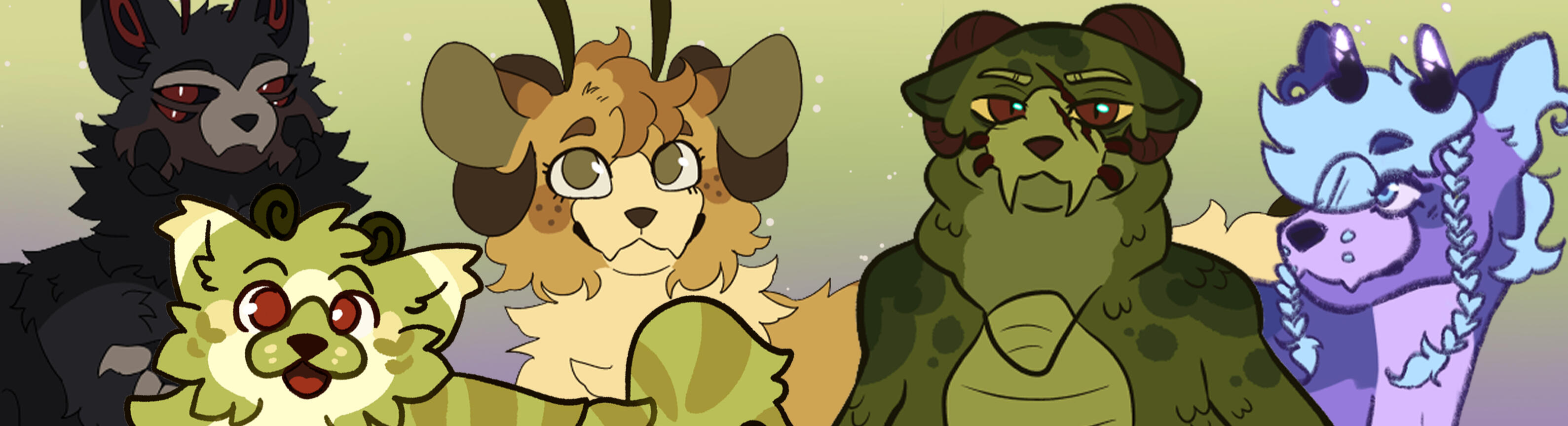
Calipedes
Welcome to the wonderful world of Calipedes! Calipedes (or Critters) are a semi-open species! Though they have a very silly and whimsical appearance, the world of Calipedes isn't all it seems, holding some horror elements... These are completely optional to engage with, though! We have a detailed and ever-expanding lore which you may choose to participate in if you please or can ignore altogether. The world of Calipedes has several subspecies, pet and predatory species, and even custom flora!We have roleplay channels, artists making adopts, raffles for in-game currency and characters, and more just waiting to be explored. Horror takes inspiration from The Backrooms and more!
Requirements to Join
Though there are other rules pertaining to Calipedes, the base requirements are as follows.
You must be at least 15 to join and any members found to be lying about their age will be banned.
You must have a Toyhou.se account (or be willing to sign up! We have codes at our disposal, just ask Solstice.)
You must have discord! This is the primary way that most of our systems are run, so it's a pretty big necessity.
If this sounds good to you, check out our full rules (linked via button above) and then hop in the discord server!
If this link doesn't work, DM Soleiilune on Discord for an invite!
Trait Directory & Info
What is a trait?
Traits are the features that can be modified on your critter! They come in a variety of rarities, indicated by their stamp color/pattern.
How do traits work?
Each Critter starts with set traits determined by the level of MYO used to create them. An MYO allows infinite (barring redundancies like two ear types) traits of its own rarity and lower to be placed on a Calipede at creation. For example: a Rare MYO allows a Calipede to be made with Rare, Uncommon, and Common traits.To remove or replace an existing trait, you must buy the design paintbrush from Tinker's Shop + have a trait item ready to replace it (with an exception for Arcanic traits)! Grim's Scalpel can be used to create asymmetrical traits, such as one webbed wing and one feathered wing.Trait items are stamps, usually purchasable with in-game currency (earned for participation, via raffles, etc!) or USD.Arcanic traits are earned through progression with the Arcanic quests.
Rarity Guide!

Non-Rarity Traits (NR)
The Non-rarity traits are completely free to apply from the creation of your critter! You may have as many as you want on any design and they have no cost or requirement.

Very Rare Traits (VR)
Very rare traits are the hardest standard trait to attain. Like the previous, they may be purchased via the shop.
Color text

Common Traits (C)
Common traits are easily attained, with trait tickets being quite cheap.

Arcane Traits (A)
Arcane traits are exclusive traits gained from magical progression or the occasional event.

Uncommon Traits (UC)
Uncommon traits are a little harder to attain, but still not very difficult. Tickets for these traits are purchasable via the shop for Caps or USD.

Limited Traits (L)
The limited traits section applies to all seasonal and event traits! Tickets for these traits will be available during the course of their season or event.
Color text

Rare Traits (R)
Rare traits are somewhat difficult to get. They will usually require a high degree of effort and activity to attain. Tickets for these traits are purchasable via the shop for Caps or USD.

Breeding Traits (B)
Traits that can only be earned through breeding.
Color text
Head Traits
Ears
By default, a critter can have ears based on any real animal (with stylistic simplification allowed), provided that they fall within the size range of their ear size and don't resemble a separate ear upgrade.
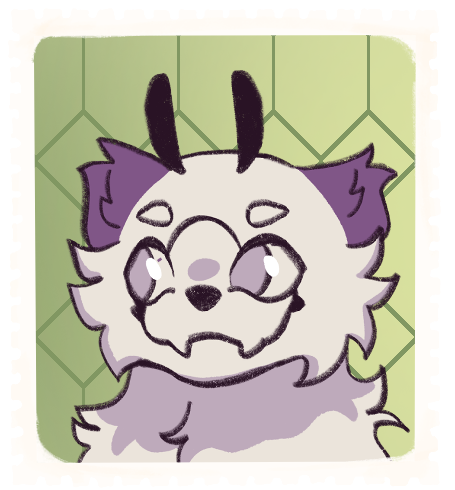
Teeny-tiny ears
"Can you even hear me!?"
The default ears: quite small and unassuming. Though not shown, may have a lined-off inner ear.
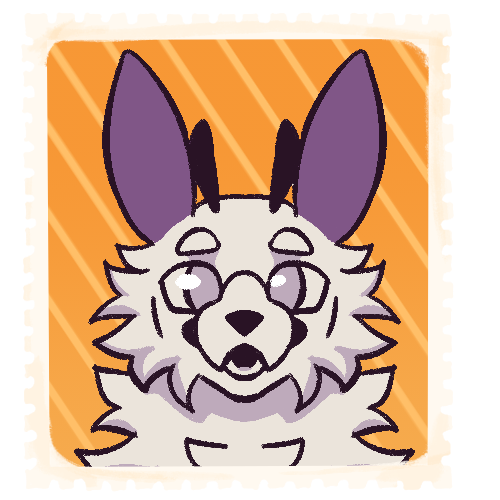
Evolution Ears
"Woah, they're so nondescript!"
Replaces your critter's ears with large, soft ears that don't have distinct insides.
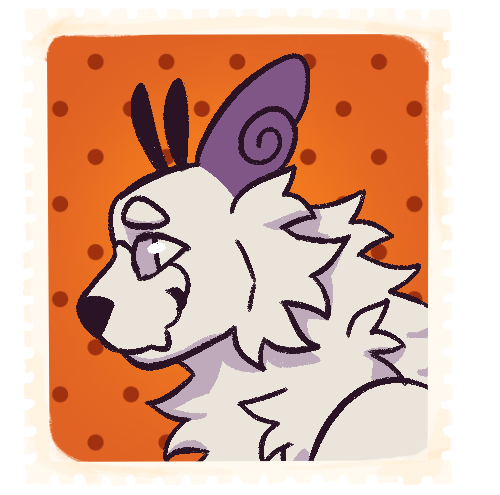
Cloud Ears
"So soft and fluffy..."
Adds these soft, curled ears.
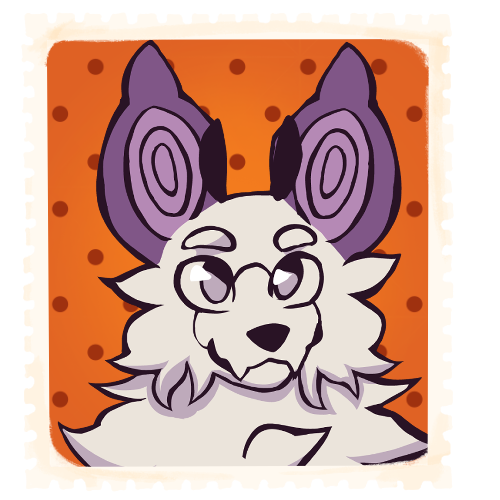
Sonar Ears
*"Can hear a mile away!"
Gives your critter ears with this specific shape.
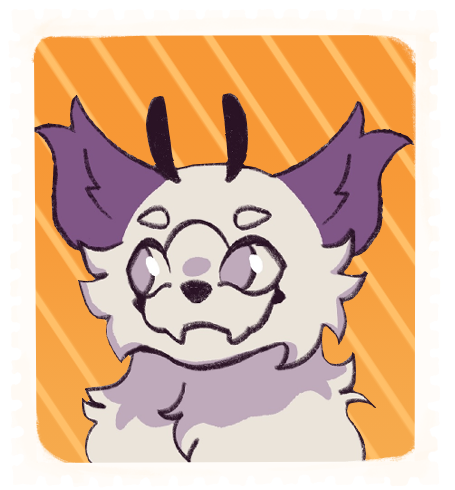
Medium Ears
"All the better for hearing you with..."
Slightly bigger than before!
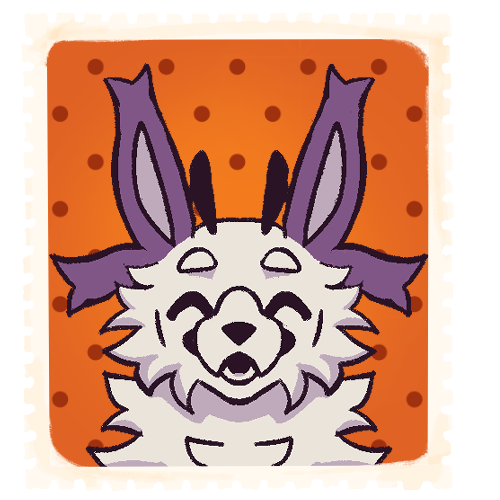
Whimsical Ears
"Is that a fairy?"
Adds ears that look like the above!
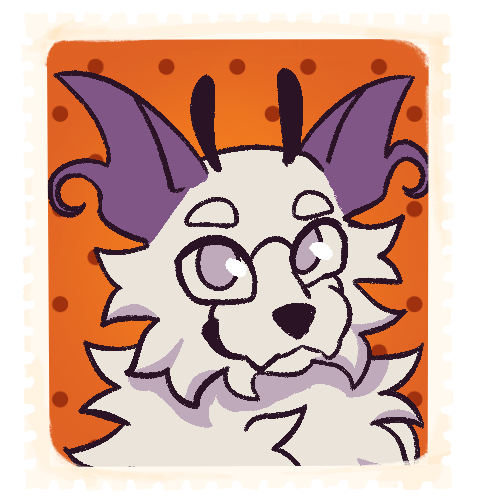
Toffee's Favorite Ears
"PLEASE PLEASEPLEASE"
Makes your critter's ears a very specific shape.
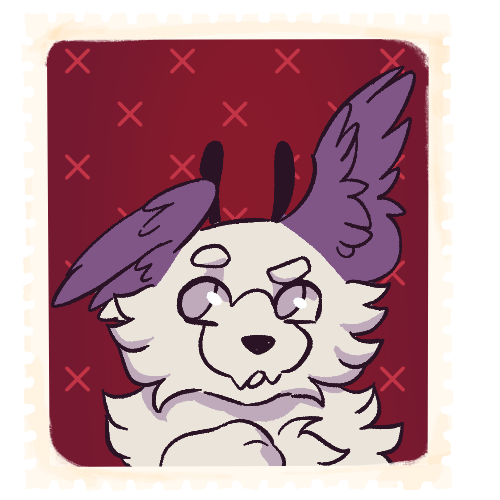
Wing Ears
"Can I fly with THESE?"
Replaces the ears with wings, feathered or webbed.
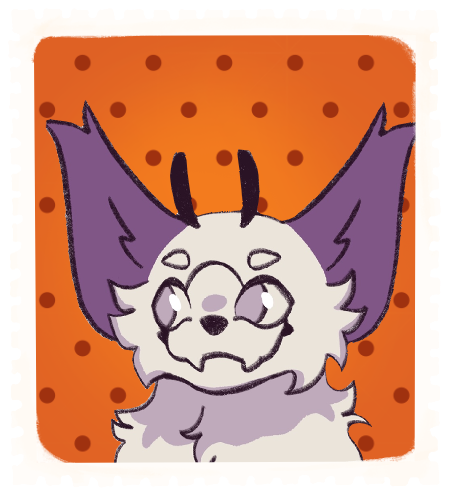
Large Ears
"I'm pretty sure those are satellite discs..."
Increases the size again.
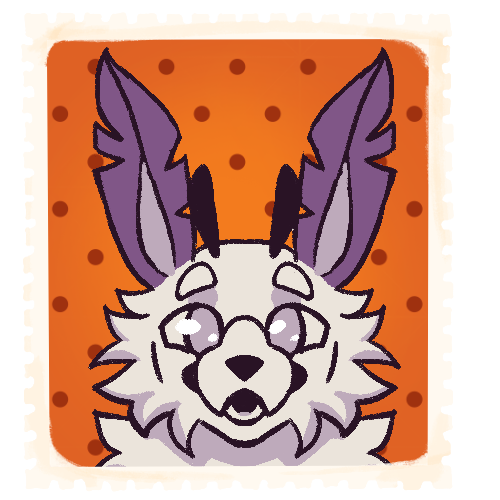
Leafy Ears
"NOT for salad."
Adds leaf-shaped ears to your critter.
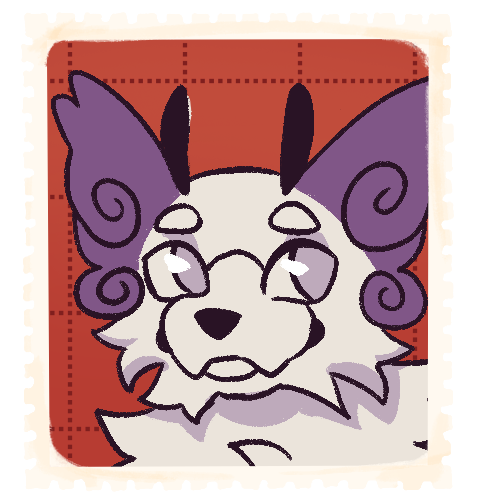
Daydreamer's Ears
"What's up with that white spot..."
Makes Cloud Ears bigger!
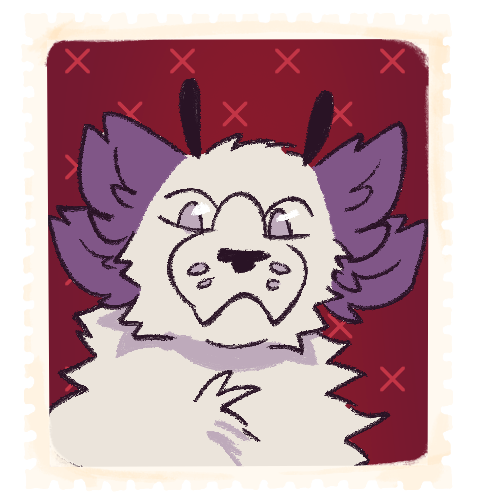
Double Ears
"His ass IS listening!"
Creates 4 ears. Can be mixed and matched with a trait ticket, but by default are 4 of the previous ears.
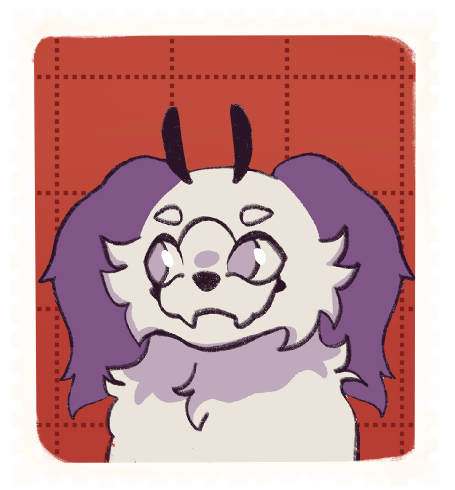
Massive Ears
"Yeah, 'cuz you needed more ear."
Adds huge ears! Don't have to flop.
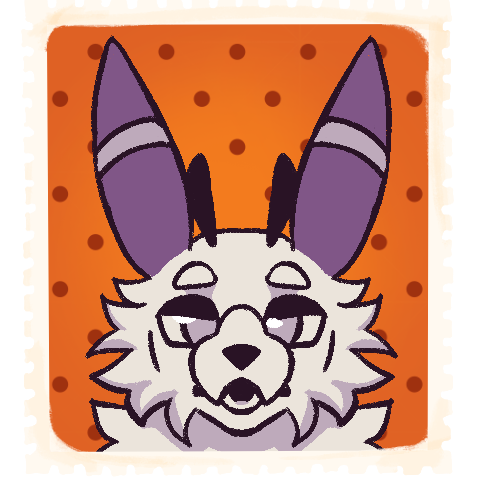
Edgy Ears
"No, I promise it's cool!"
... Essentially Evolution Ears, but with cool stripes that glow at will.
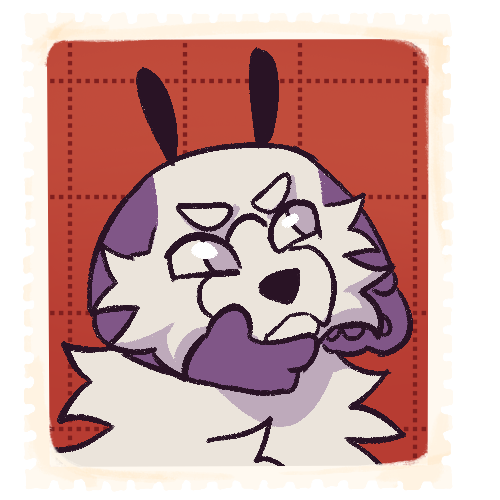
Toffee's LEAST Favorite Ears
"Ew, get that away from me."
Makes the ears have little paws on them!
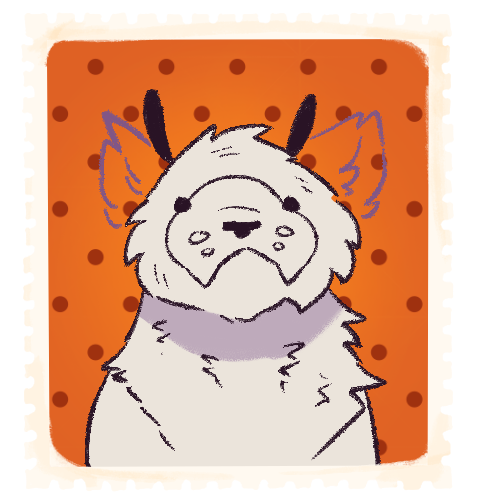
None Ears
"His ass is NOT listening!"
Removes the ears. Yes, they can still hear. It's like seals.
Horn Traits
Horns are split into two categories: size and texture. The size category decides how large the horns in question can be. The texture decides what they're made of. By default, all horns are symmetrically placed on the top of the head between or by the ears, with exactly two horns present. Horns may be any simple shape or reflect any real animal, provided they a) don't resemble any existing upgrade, and b) fit within their size category. Horns may be any existing color on the critter unless otherwise stated.The size on the upgrade image is the max size for that upgrade. The horns you apply may be anywhere between the previous length and the new max.
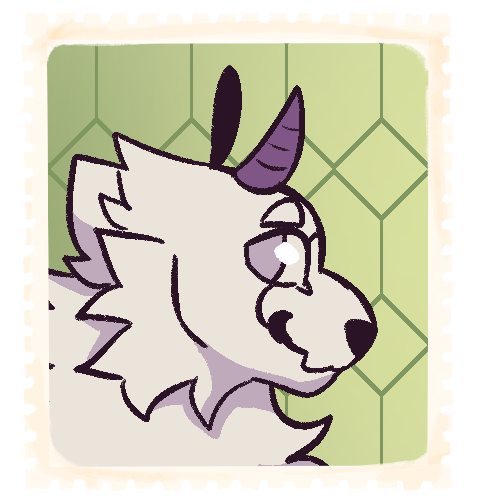
Plated Horns
"Like a real goat!"
This is the default texture!These horns are slightly rough and made of keratin, like most real animals.
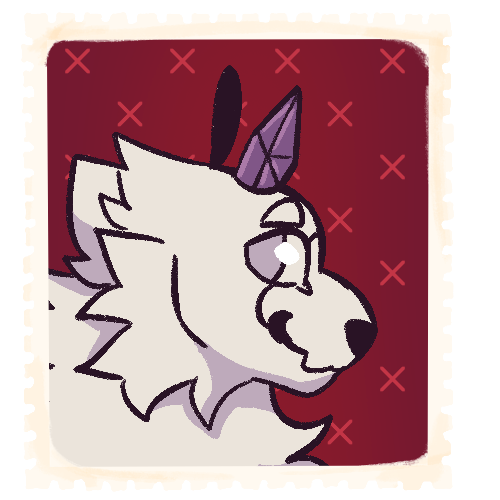
Crystal Horns
"I'd make an excellent jeweler."
Gives the horns a crystalline texture and appearance.
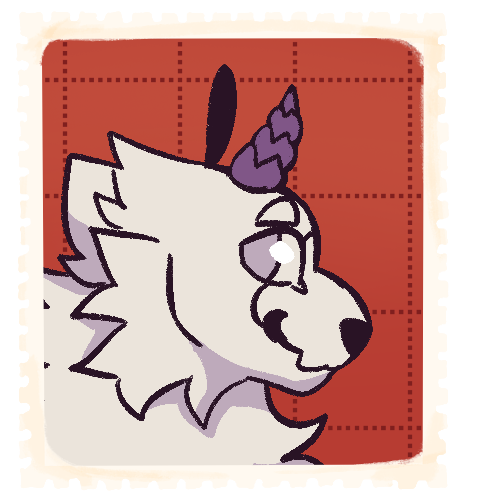
Scaled Horns
"Like a dragon or something!"
Creates large, ridged scales on the horns, either smooth or rough in texture.
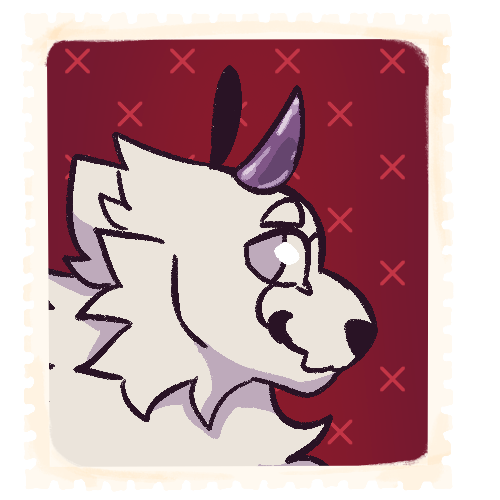
Sea Glass Horns
"Straight from the ocean!"
Gives the horns an appearance of being frosted or sea glass, very smooth and vaguely passing light.
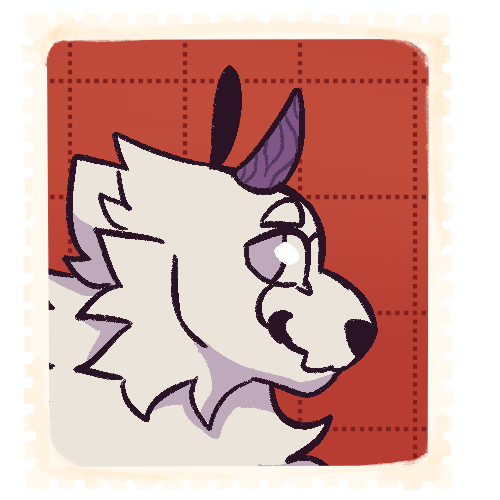
Wooden Horns
"One day, I'll be a real tree!"
Gives the horns a wooden look and feel. You may add a darker or lighter accent to achieve the texturing, if desired.
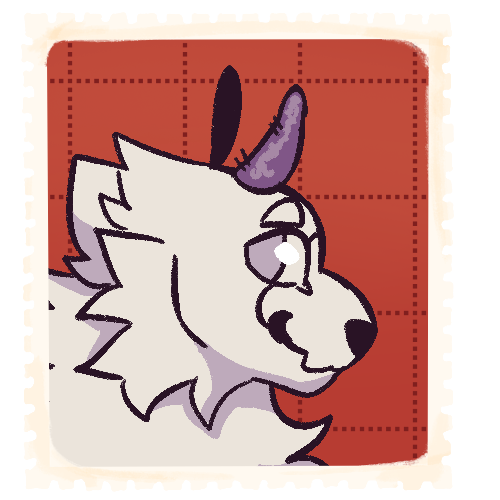
Velvety Horns
"Just... be wary of fall.."
Gives the horns a velvety texture.
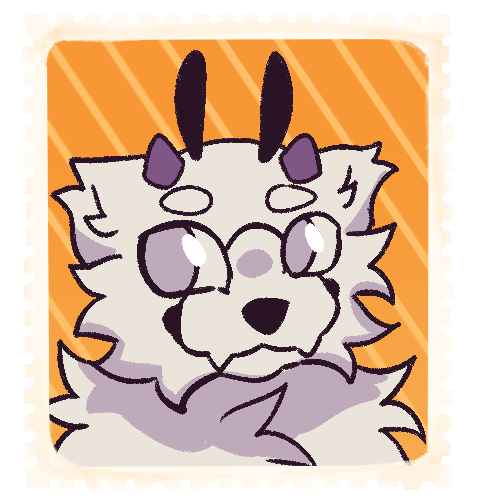
Lil' Nubs
"They're so wittle..."
Adds teeny tiny nub horns to your critter.
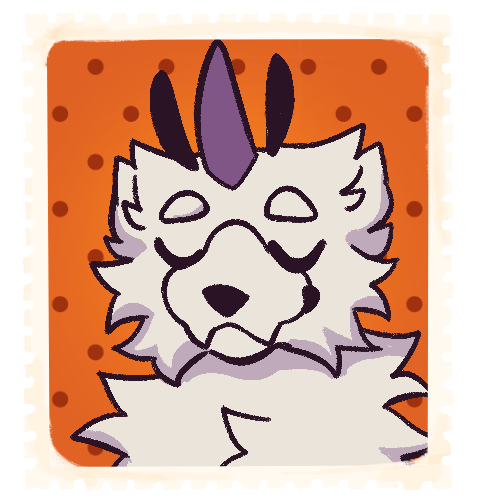
Unicorn Horn
"On matters of elegance..."
Creates 1 horn in the center of the skull. Can be upgraded in size and texture like any other.
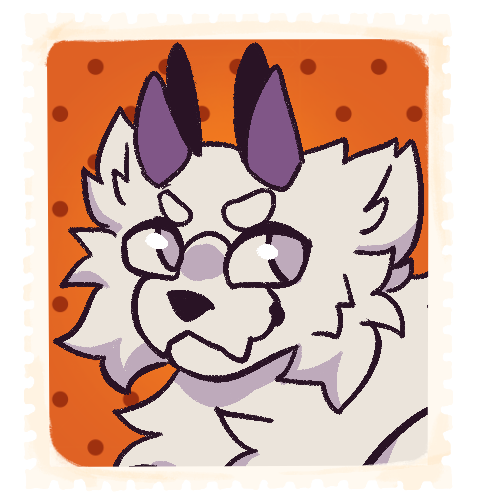
Stubs
"Now we're gettin' somewhere!"
Slightly lengthens the existing horns!
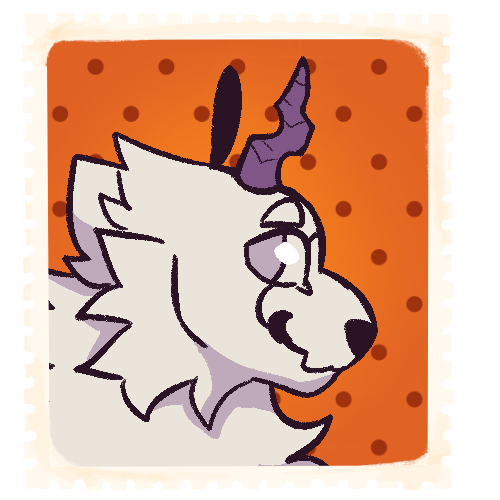
Evil Queen's Horn
"This day was going to be perfect..."
Adds uniquely shaped horns.
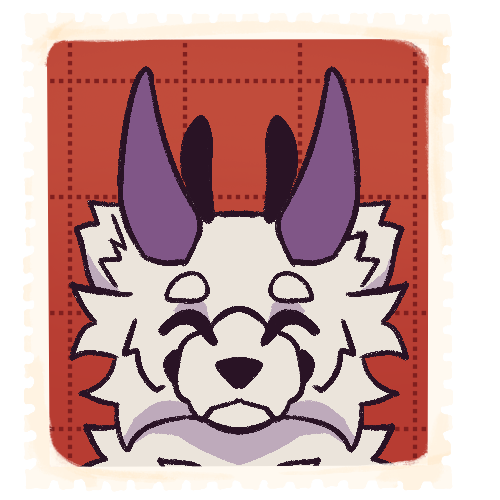
Respectable Mantle
"Yessir!"
Lengthens the prior horns a significant amount.

Trait Name
"Little Words or a quip!"
Requirements -
Description text
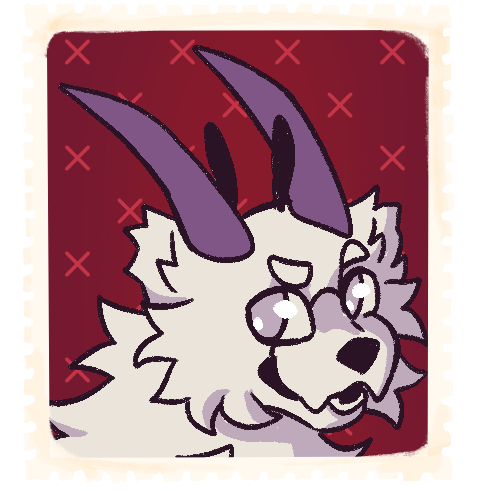
Doorway Hitters
"As long as you watch where you walk..."
Lengthens the horns once more.

Trait Name
"Little Words or a quip!"
Requirements -
Description text
Antennae Modifiers
Must remain the Arcanic Color of your critter unless stated otherwise!
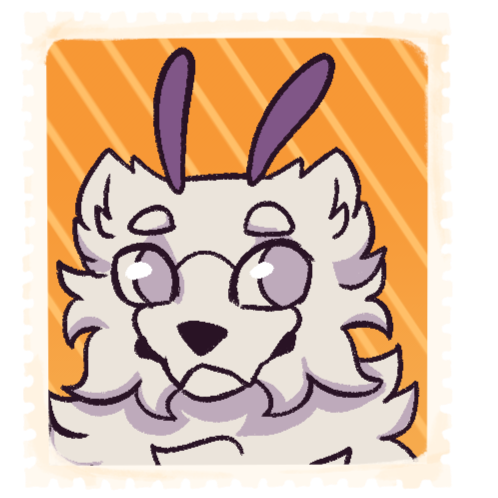
Long Antennae
"Now I can REALLY feel you!"
A lengthening of the existing antennae to roughly the length displayed.
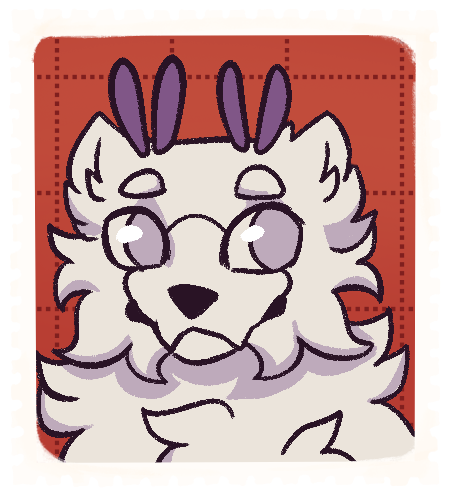
Double Antennae
*"The better to ... feel you with..."
Adds a second pair of antennae alongside the first. They must be the same at application, but can be different sets later on.
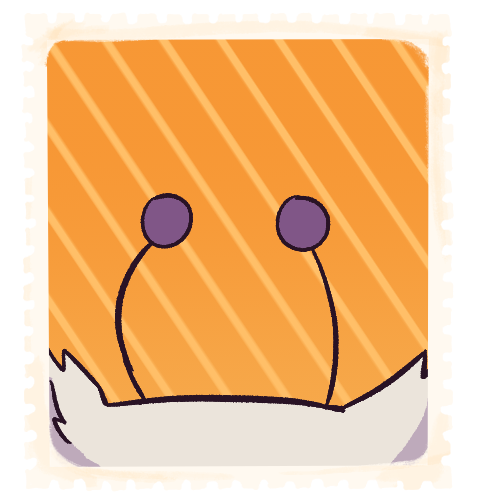
Simple Poms
"bobble bobble bobble."
Replaces the antennae with cartoonish versions, tipped by circles.
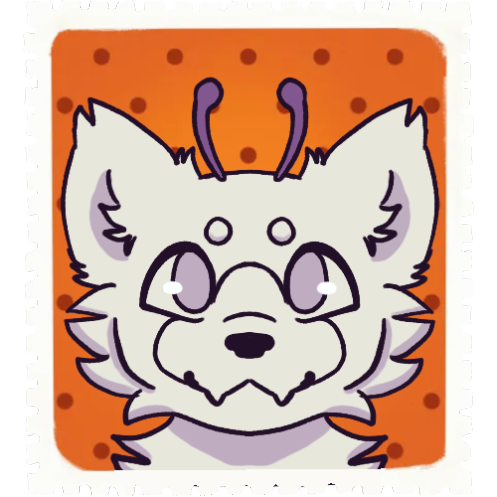
Out-of-this-world Antennae
"Zeep Zorp!"
Alters the shape of the antennae.
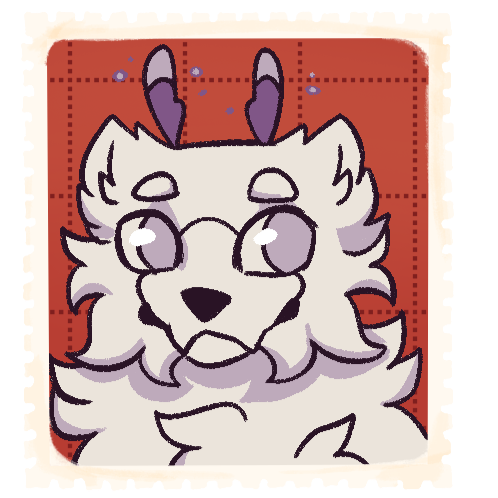
Glowfly Antennae
"You won't need a night light!"
A pair of short antennae with a tip that glows on command. Summons glowing spores.
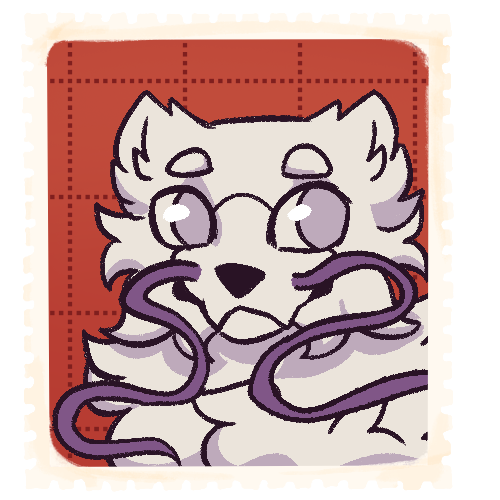
Long whiskers
"For a very refined gentlecritter..."
Two very long, emotive whiskers that spool around the head.
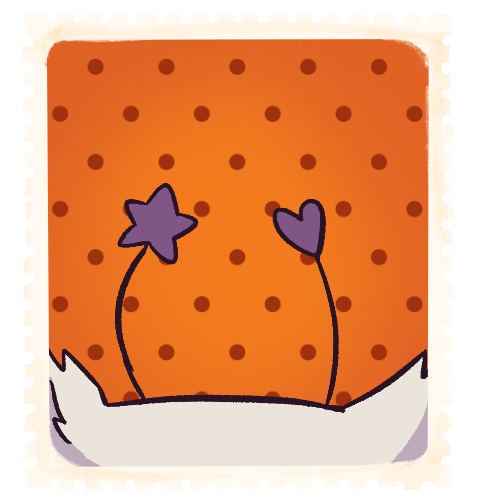
Shaped Poms
"O"
Changes the tip of the poms to any simple shape!
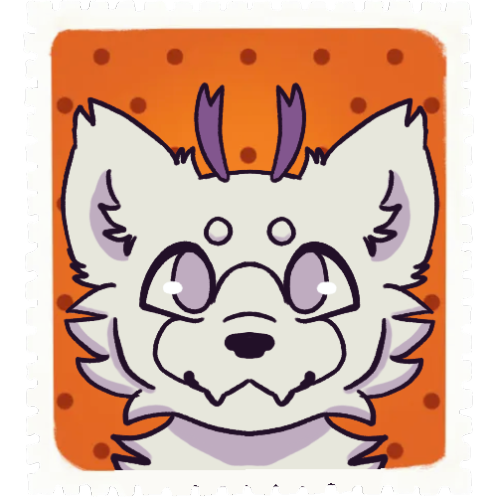
Forked Antennae
"Perfect for a toaster..."
Changes the antennae shape!
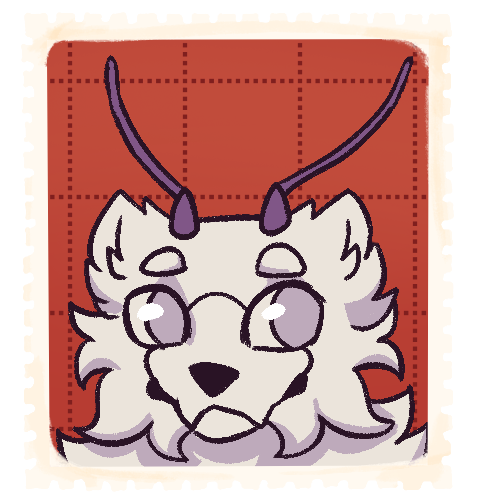
Lobster feelers
"Lobster, I hardly kn-"
A pair of chitinous antennae, like lobsters have. Can only move/emote at the lines.
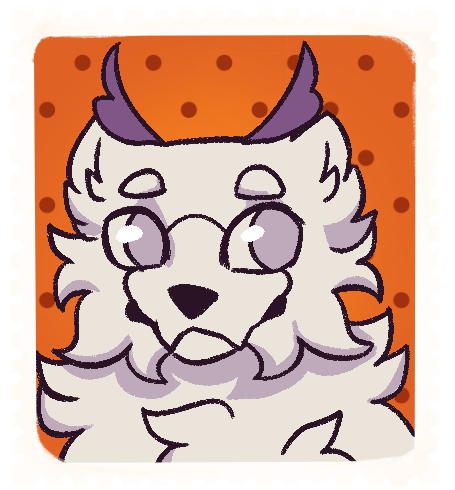
Dramatic Antennae
"Well, that's cute!"
Two uniquely shaped antennae.
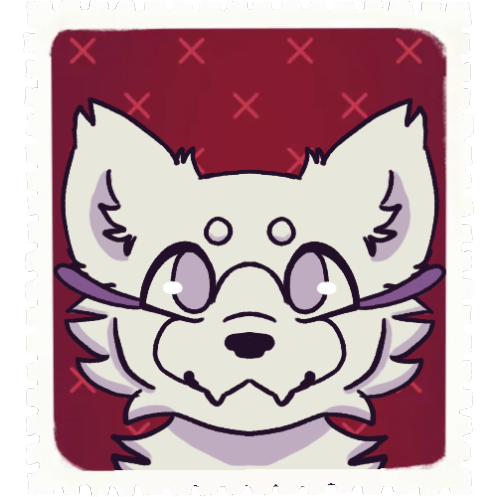
Blinking Blinkers
"Plink Plink"
Attaches the antennae to the eyelash.
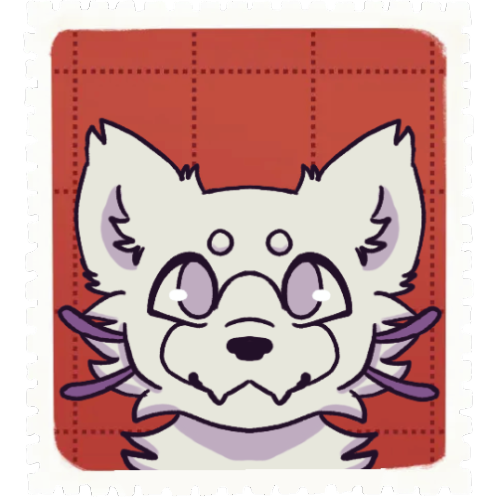
Feline Feelers
"Could say I'm feline good!"
Adds two sets of thin, short antennae.
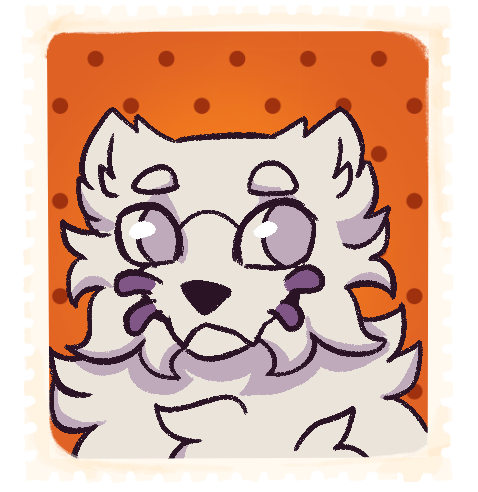
Maw feelers
"Whiskers from the flesh..."
4 very short feelers sprouting from the upper jaw area. Must have 2 on either side.
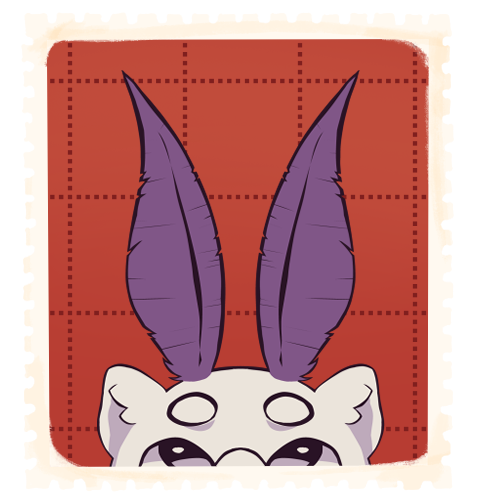
Moth Antennae
"Like a moth to the flame..."
Fluffy, feather-like antennae.
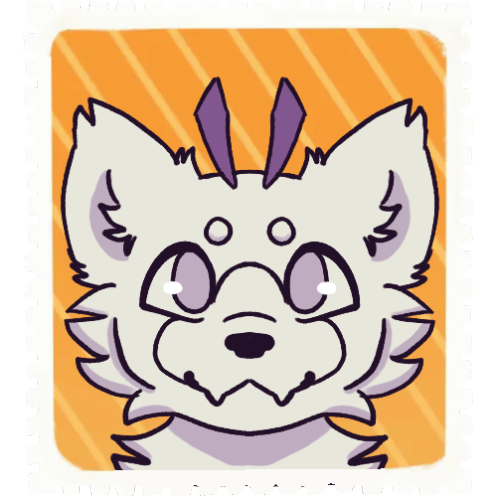
Kite Antennae
"I'll blow you away- haha, get it, get it?"
Changes the antennae shape as shown.
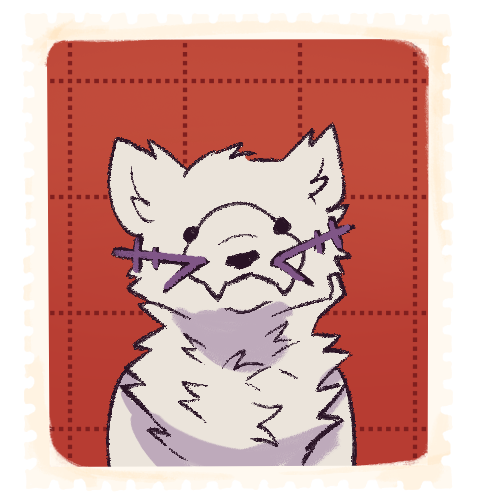
Clockwork Antennae
"Tick tock!"
Alters the antennae shape!
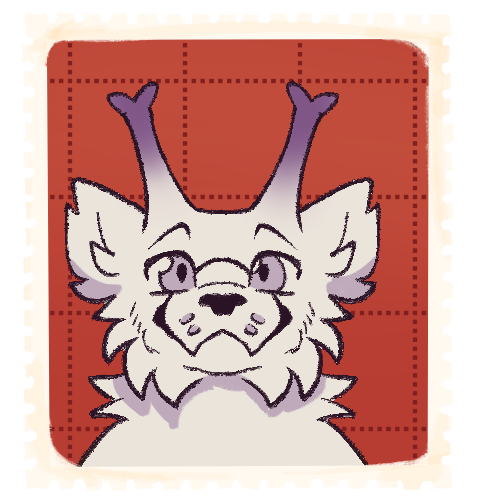
Caterpillar Antennae
":3"
Adds antennae based on Japanese Emperor Caterpillars!
Can have a gradient or flat color about halfway up, where it becomes arcanic color.
Misc. Traits
We had to put em somehwere!
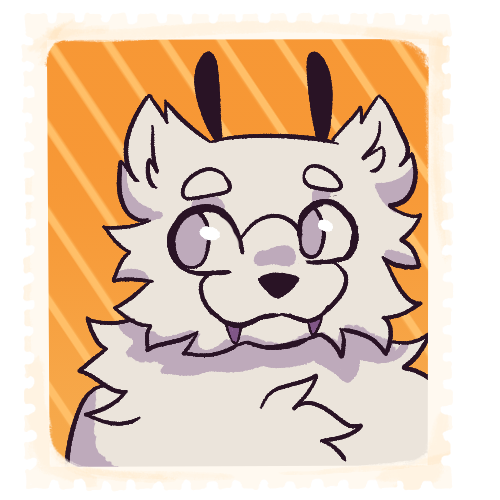
‘Bitty Biters
"I hope you’re not teething..."
Adds small fangs to your critter.
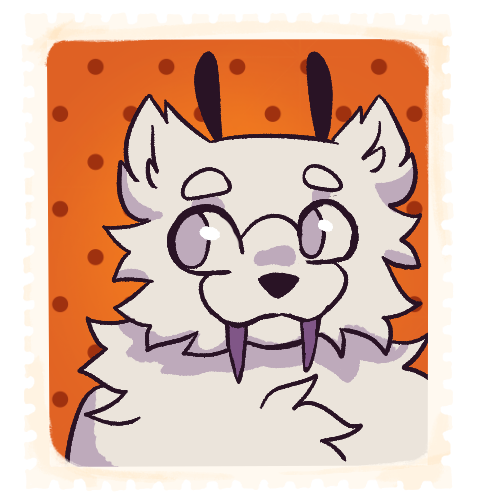
Saber Teeth
"Like from that Ice Age movie..."
Adds long, protruding saber teeth to your critter.
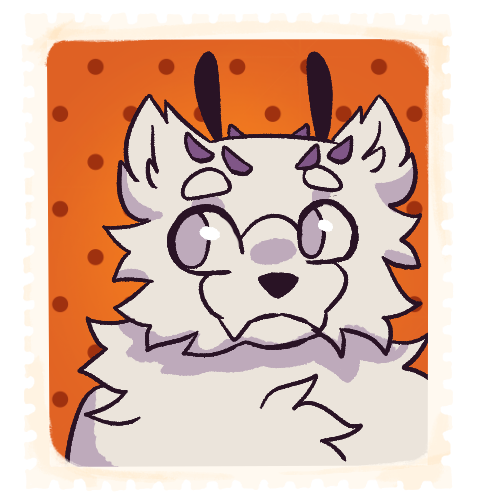
Thorn Crown
"So spikey..."
Adds a crown of 4-8 small horns between the ears.
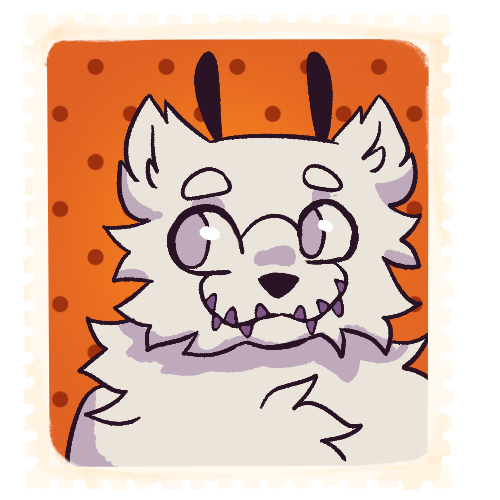
Toothy Grin
"Creepy!"
Adds fanged teeth around the mouth.
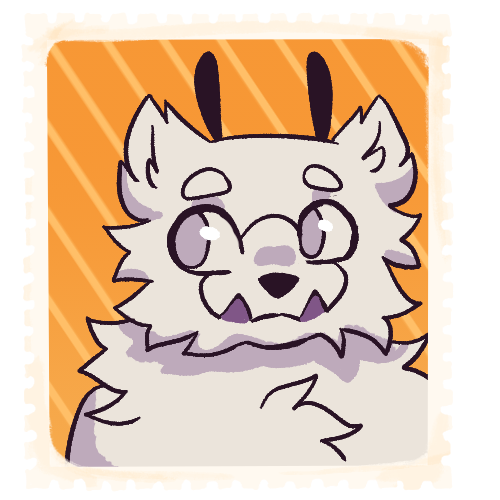
Upside-Downers
"Flip that frown upside down!"
Gives your critter short upwards fangs.
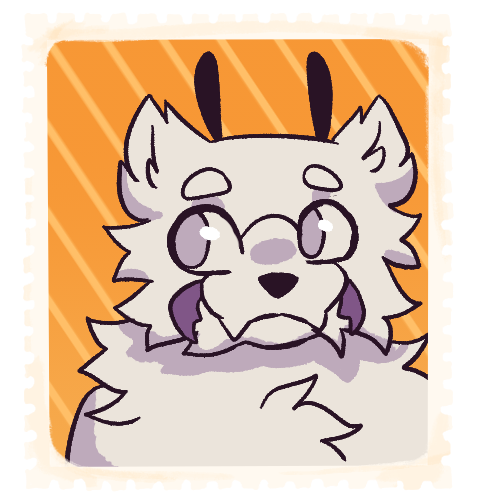
Buggy Mandibles
"A Bug's Life core..."
Adds mandibles on either side of the face!
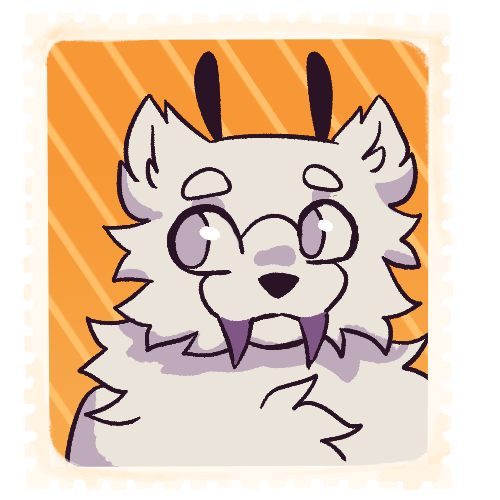
Vampy Fangs
"Don't eat me!"
Lengthens muzzle fangs.
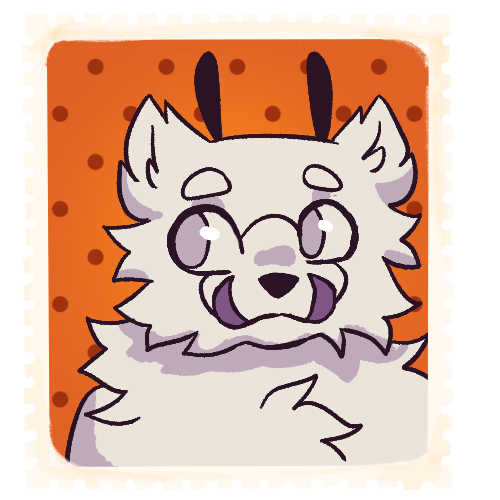
Wild Boar Wonders
"Pumba was my favorite..."
Gives your critter large, upwards curved tusks.
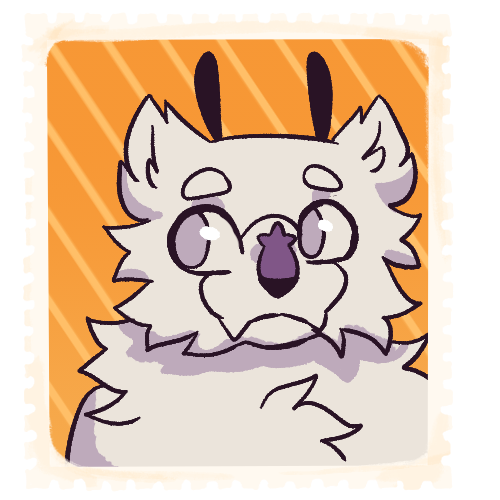
Mini Weevil Horn
"Google says it's called a rostrum..."
Adds a small, three-pronged horn above your critter's nose.
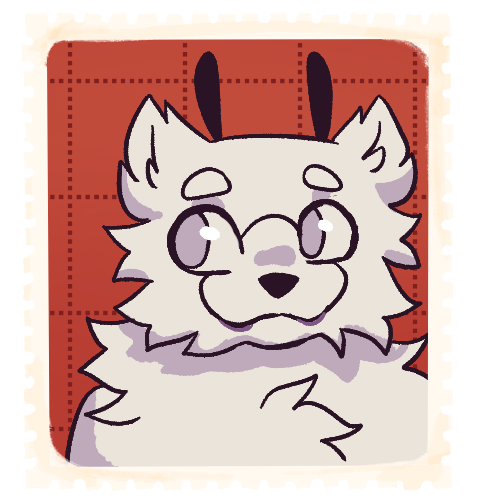
Gummy Gnashers
"Ok, boomer..."
Removes muzzle fangs.
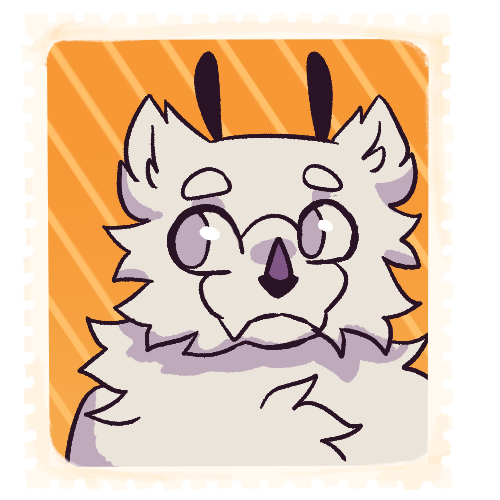
Rhino-in-Training
"Guess you could say they're hor- [muffled screams] "
Adds a small horn above your critter's nose.
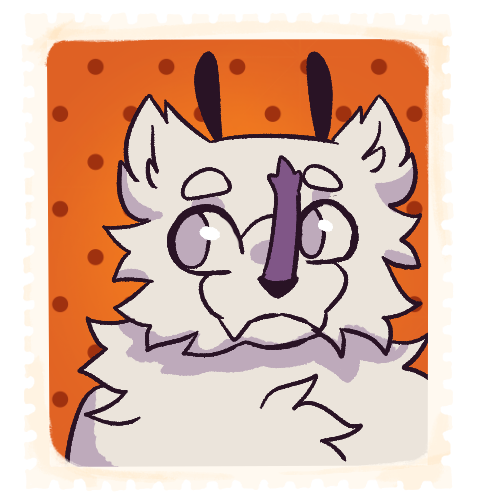
Big Boy Weevil Horn
"So this one must be called a ROSTRUM"
Adds a long, three-pronged horn above your critter's nose
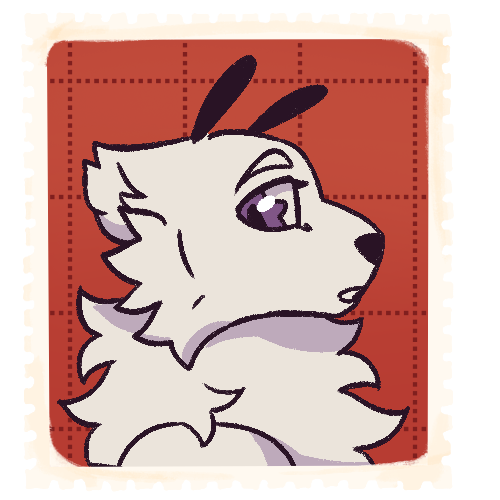
Shaped Irises
"Wowza! Shapes..."
Gives your critter any simple-shaped iris.
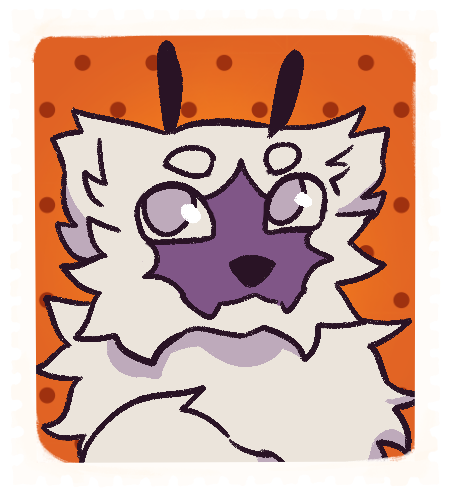
Sunburst Mask
"Hot!"
Adds large spikes along the edges of your critter's mask.
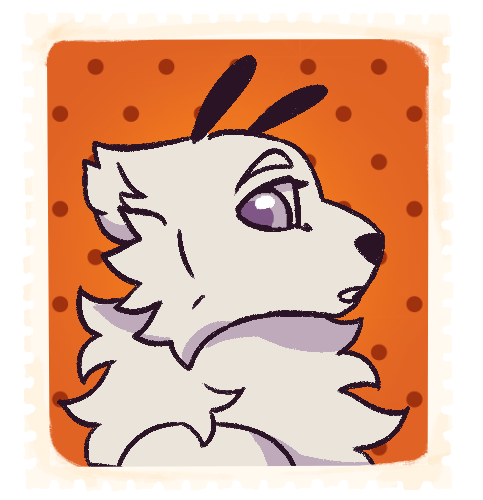
Colored Pupils
"Looking with my... special eyes..."
Lets the pupils be any color.
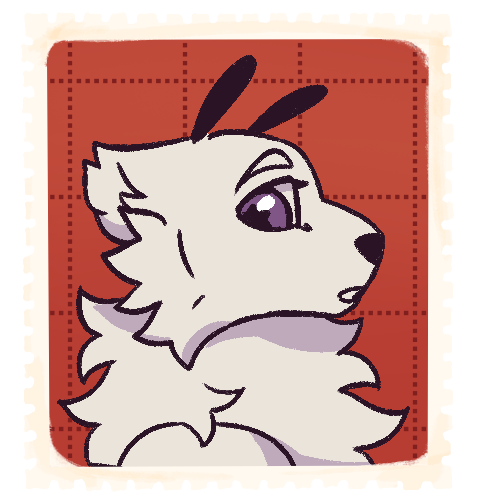
Shaped Pupils
"Yowza! More shapes!"
Gives your critter any simple-shaped pupil.
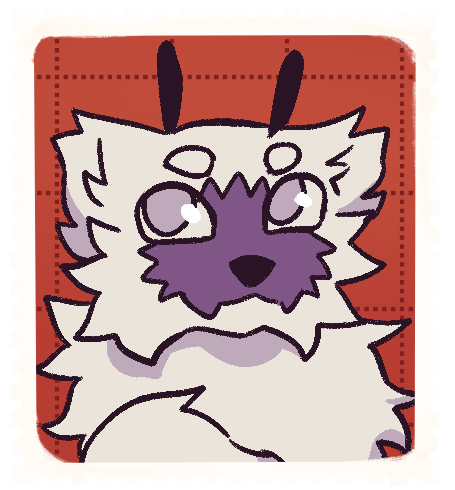
Spikey Mask
" Spork..."
Adds small spikes along the edges of your critter's mask.
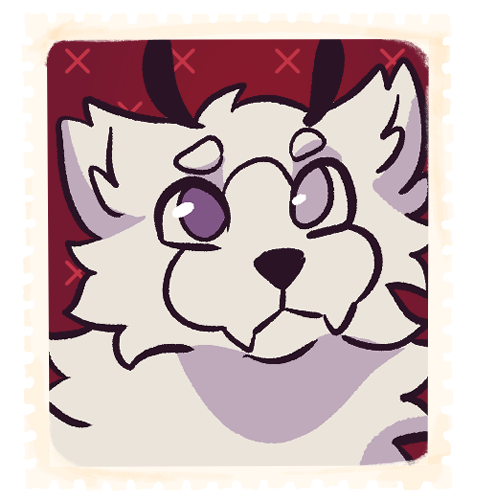
Heterochromia
"Heard something about homophobic eyes..."
Adds complete heterochromia to your critter! This also adds a secondary accent color.
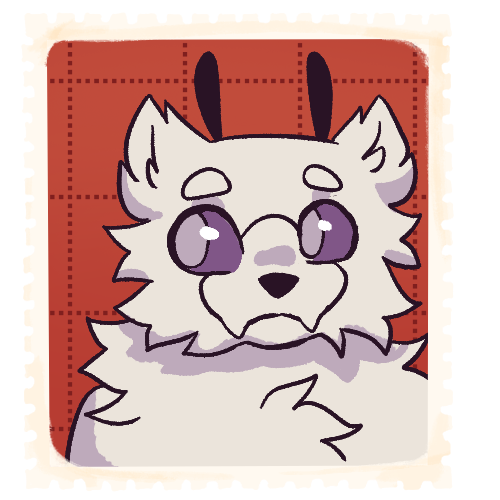
Colored Sclera
"Sclera? I hardly know her!"
Allows a custom-colored eye-white.
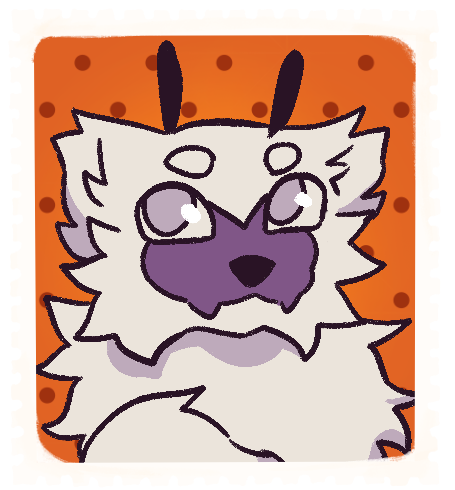
Beetle-Wing Mask
"Like a V-neck for your face!"
Splits the top of your critter's mask into a small V-shape.
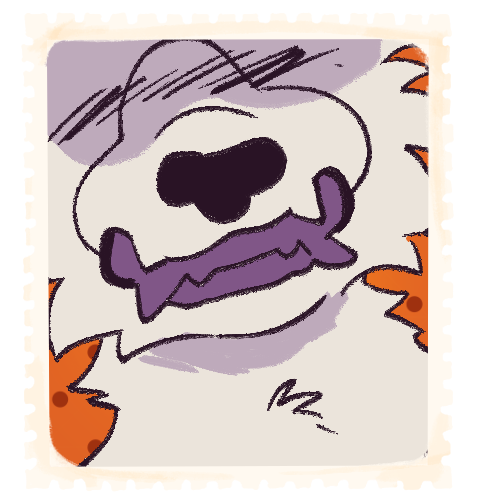
Colored Teeth
"All the better for CHOMPING with!"
Changes the bone and tooth color to whatever you'd like!
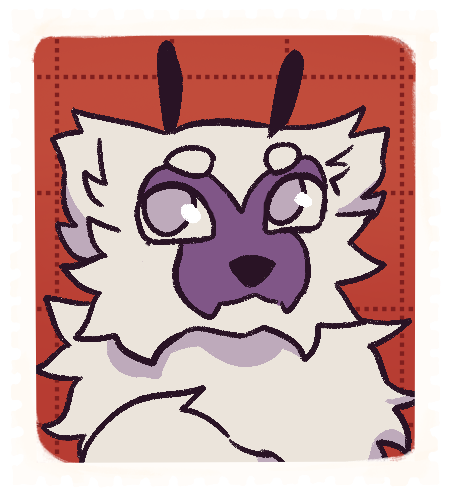
Butterfly Mask
"Hope it doesn't fly away..."
Splits the top of your critter's mask into a large V-shape.
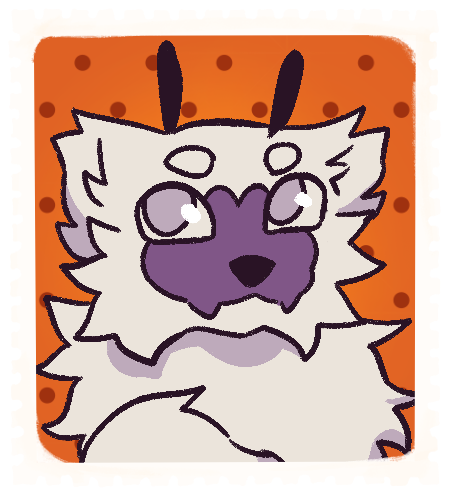
M-Shaped Mask
"Like my bird drawings!"Splits the top of your critter's mask into a small M-shape.
Arcanic Upgrades
Traits gained from/related to magic usage!
Categories are created based on the type of magic influencing the trait.
Sea Upgrades
Sea magic gives control over all things water.
Sea magic gives Calipedes the ability to manipulate water in all of its forms.
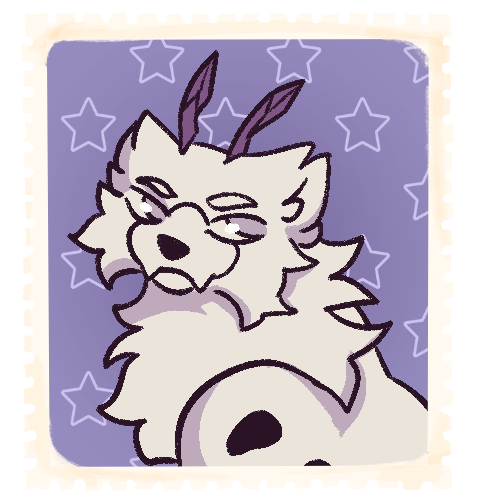
Icy Antennae
"Talk about an icy chill..."
Requirements - Complete 2 magic quests!
Replaces the antennae with icy, unemotive versions. Can be Arcanic- or Accent-colored
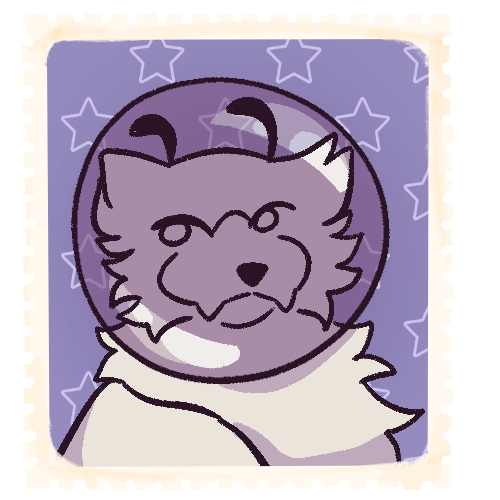
Bubble Helmet
"For exploring new places!"
Requirements - Complete 3 magic quests!
Adds a bubble helmet around your critter's head! Allows them to "breathe" under water for a few minutes.
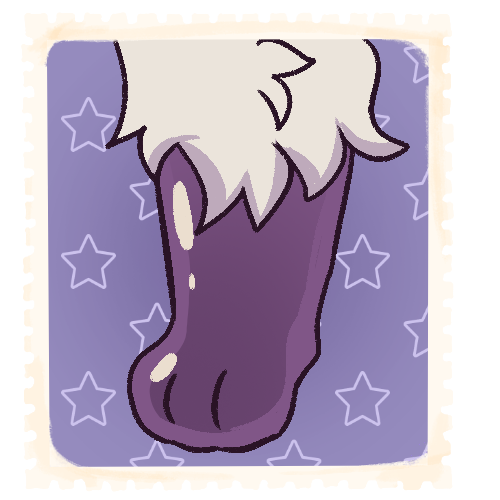
Liquid Limbs
"Gooey!"
Requirements - Complete 5 magic quests!
Replaces the lower limbs (from the "elbow" down with a liquidesque material. May be any color already on the critter (arcanic included.)
Surface Upgrades
Surface magic relates to anything living on the surface.
This magic can be used to manipulate plants or potentially speak to animals.
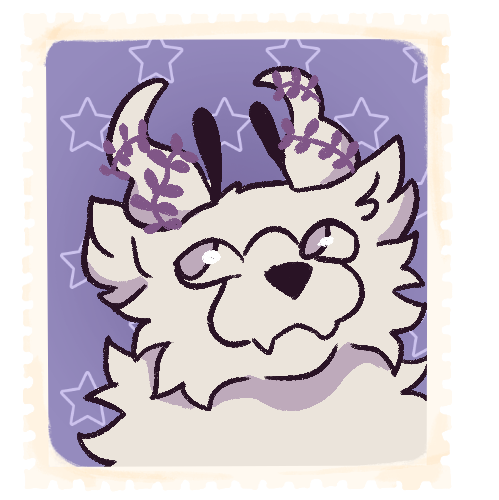
Thorny Growth
"Oh, look, a strawberry!"
Requirements - Complete 1 magic quest!
Adds vines/plant life to a critter's (existing) horns! May also add the horn shape shown here.
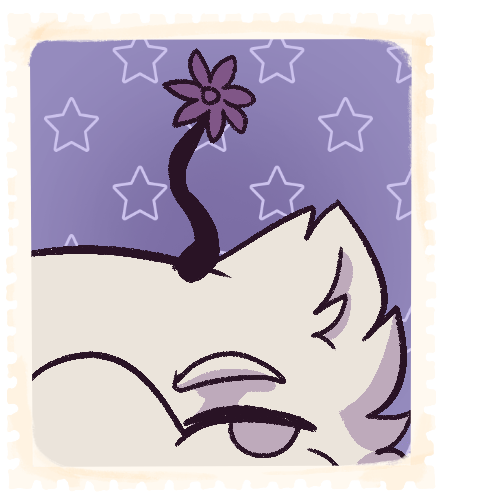
Blooming Antennae
"Just... mind the bees..."
Requirements - Complete 3 magic quests!
Creates a flower-shaped tip to the antennae of your critter! Can be any flower and any color, but the antennae itself must remain arcanic.
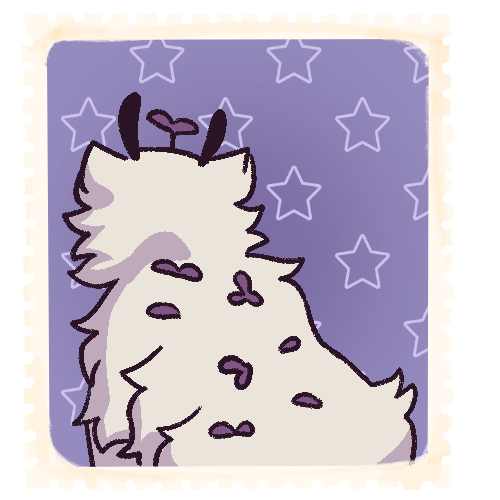
Sprouting Fur
"You need to bathe more..."
Requirements - Complete 5 magic quests!
Adds little sprouting plants to the longer fur on a critter's body! Can be any plant and any color.
Core Upgrades
Core magic focuses on all things rocky.
This magic could be used to locate and or manipulate specific minerals.
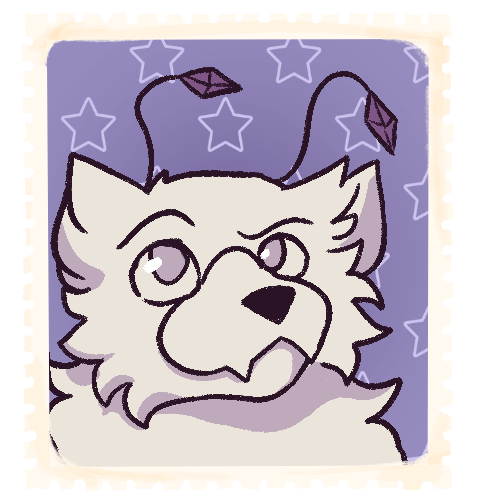
Crystalized Antennae
"I guess it's kinda cool..."
Requirements - Complete 1 magic quest!
Adds little gemstones to the tip of your critter's antennae. May be any color, provided the antennae itself remains arcanic.
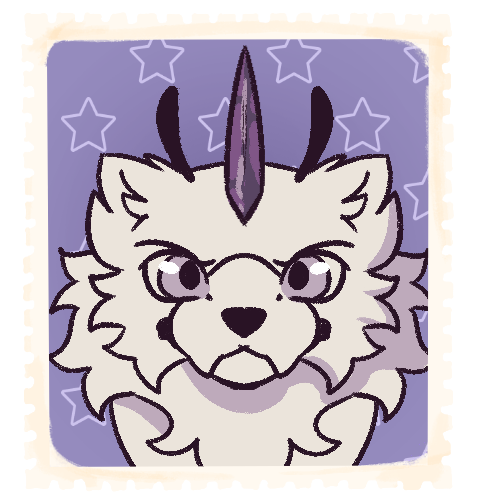
Knife Horn
"Call a healer, but not for me!"
Requirements - complete 3 magic quests!
Adds a metal (may be any metal) blade-like horn to your critter. In the center by default but can be combined with other horn upgrades.
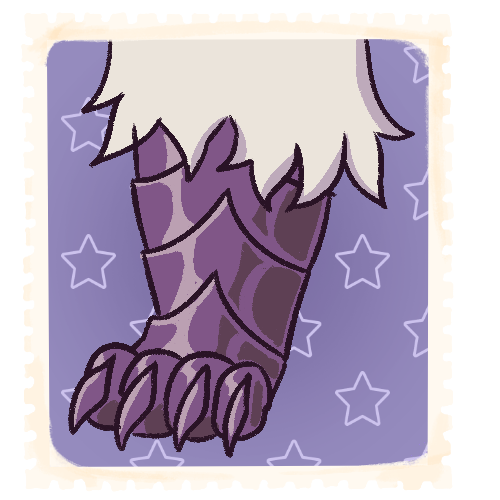
Guardian's Gauntlets
"Catch these hands!"
Requirements - Complete 5 magic quests!
Adds a metal shell to the outside of your critter's paws. It's not removeable, but there is still flesh and bone underneath. Again, can be any metal.
Sky Upgrades
Sky magic relates to all in the air.
This magic can be used to control gravity, weather, and wind.
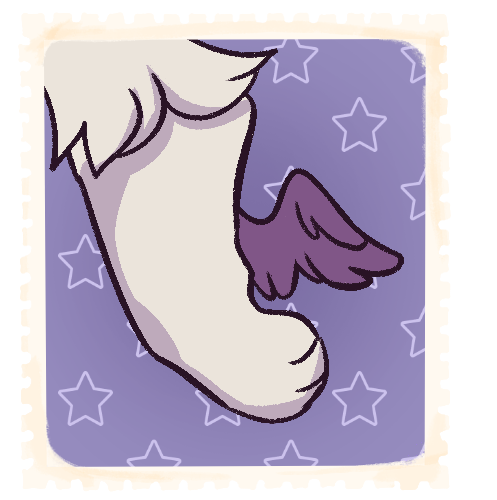
Messenger's Wings
"Not the most helpful..."
Requirements - Complete 1 magic quest!
Adds little wings to the "ankle" of your critter! Can be applied to any and all limbs.
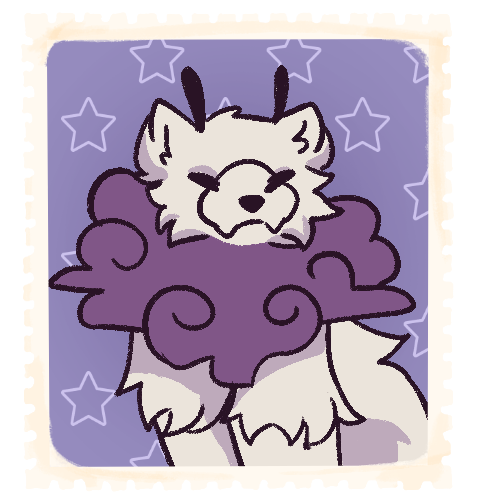
Cloudy Mane
"Do I sense a storm brewing?"
Requirements - Complete 3 magic quests!
Replaces the fur on the critter's neck with a cloud! Can change weather with the critter's emotions (ie: stormy when upset, white and fluffy when calm, etc.) Any lightning produced is akin to a light static shock, completely harmless.
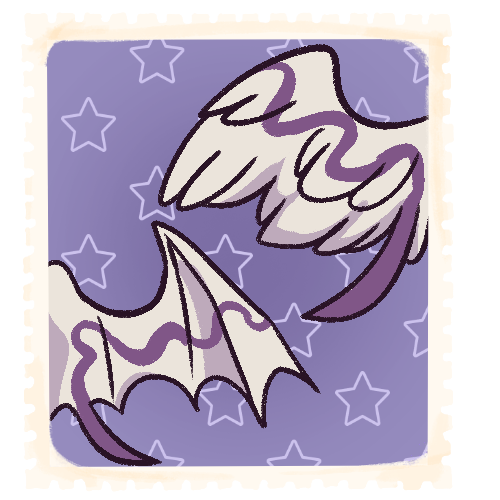
Gift of Flight
"According to all known laws of aviation..."
Requirements - Complete 5 magic quests!
Adds a long appendage to the base of existing wings, as well as an arcanic-colored pattern along the length. Allows the critter to fly without casting a spell.
Body Traits
Body Upgrades
Change the body in some way!
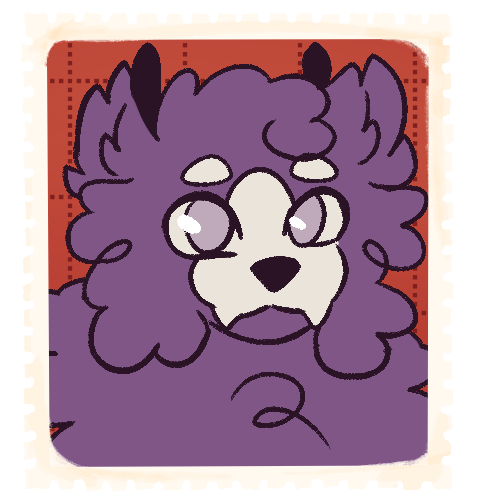
Texture: Wooly
"Now you're the sheep that cried..."
Replaces all Long textured fur with wool.
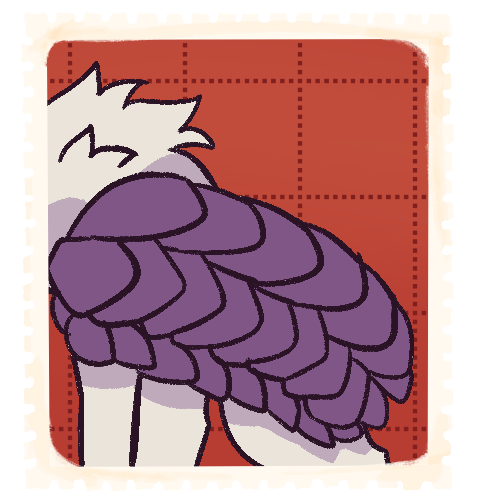
Pangolin Shield
"Sharp!"
Adds thick plated shells similar to a pangolin's to your critter in place of the Long fur. Yes, they can curl up into a ball.
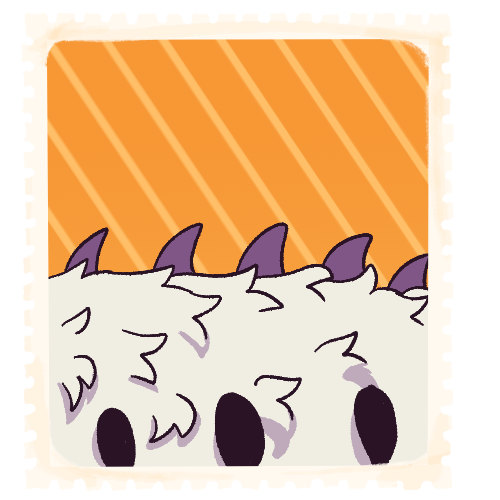
Back Spikes
"For extra damage!"
Between 4 and 10 spikes that run down your critter's back! Can be stylized within reason and any color already on the critter.
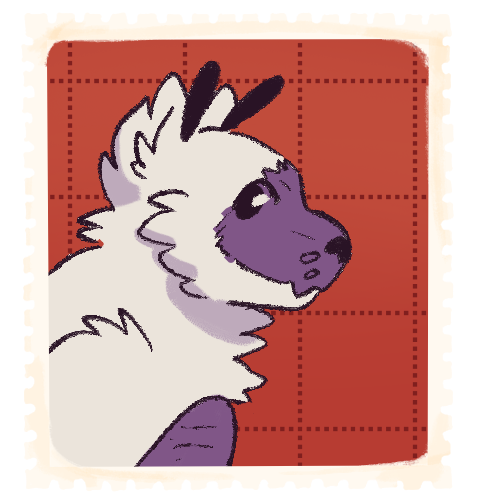
Texture: Bald
"Indecent!"
Similarly to a Lykoi cat, the short texure is now replaced by bare, unfurred skin.
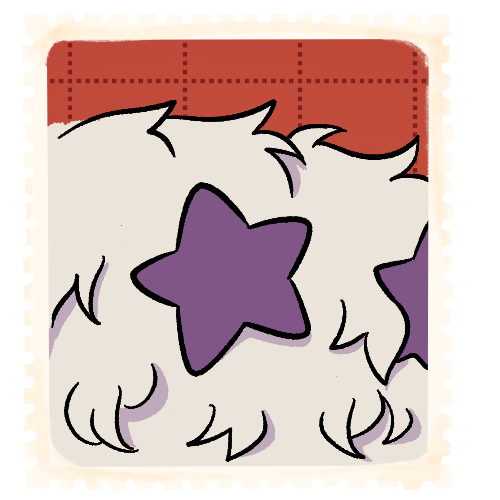
Conduit Modifier
"Woah!"
Changes the shape of the flank conduits to the following, provided that any sharp ends are rounded.
- Star (5- or 4-point)
- Heart
- Spade, Diamond, Club
- Teardrops
- Spherical
-
ask about others!
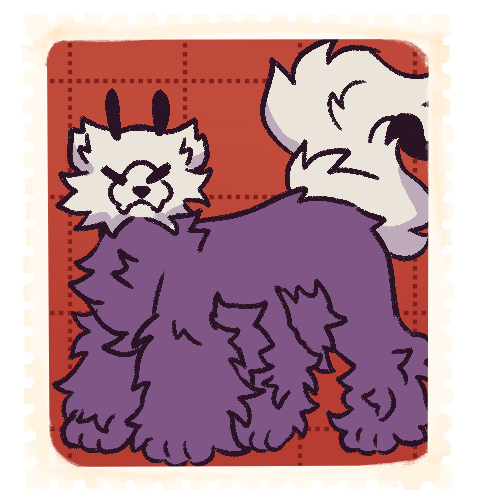
Texture Ratio Swap
"Leg warmers are back in!"
Swaps the ratio of Long fur and Short fur.
Limb Upgrades
Alter the limbs
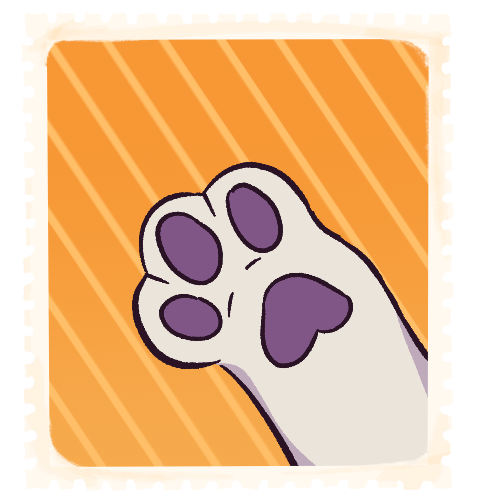
Separated beans
"Like pangea..."
Separates the default big paw pad into an appropriate amount of beans. Can be any simple shape (stars, hearts, etc.) Should be the same color as the pad was previously.
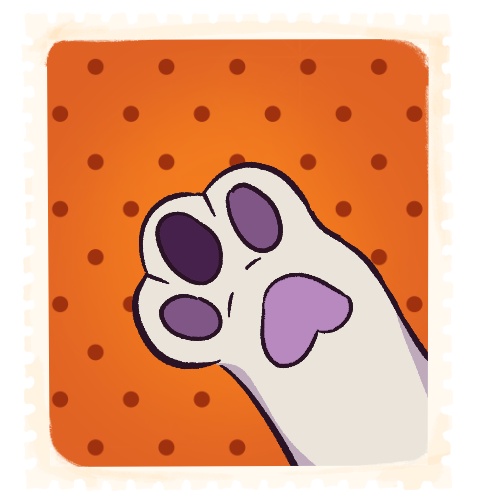
Colored Beans
"Like Pangea but Rainbow!!"
Splits the paw pad. They can now be multicolored.
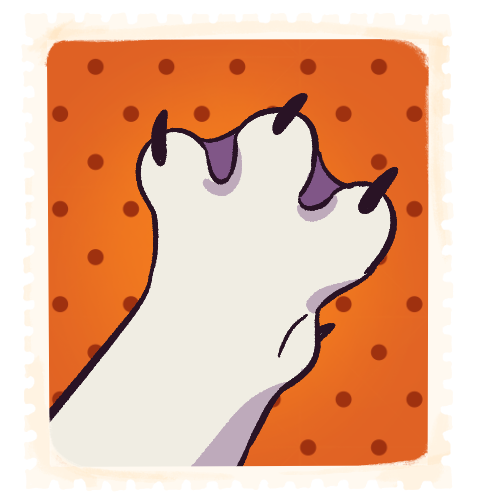
Amphibian Foot
"For improved puddle-jumping experiences."
Adds webbing between your critter's toes. Should be the color of the nose.

Trait Name
"Little Words or a quip!"
Description text
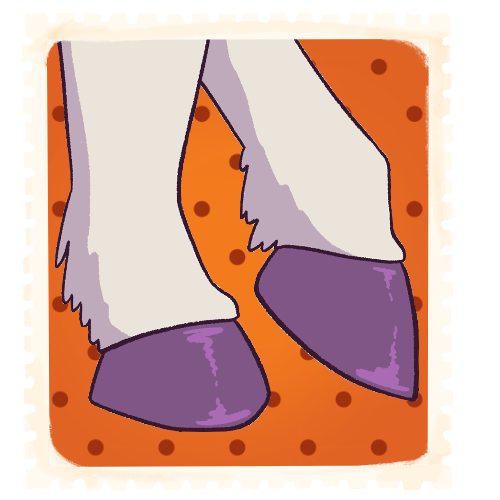
Hooves
"Produce a sound not unlike two coconuts..."
Adds hooves to any desired set of legs, must be symmetrical.

Trait Name
"Little Words or a quip!"
Description text
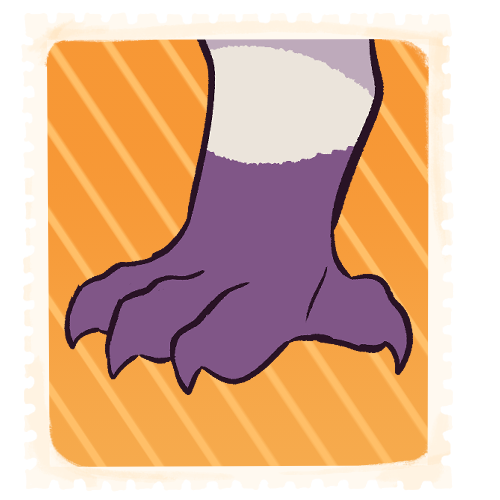
Jagged Paws
"Yeowch!"
Adds nondescript claws and changes the paw to be more talon-like. Can be applied to any/all sets of limbs.

Trait Name
"Little Words or a quip!"
Description text
Wing Traits
For all things wings! Due to the heavy nature of a critter, these wings are only ever glideable at most. Flight is but a distant dream...
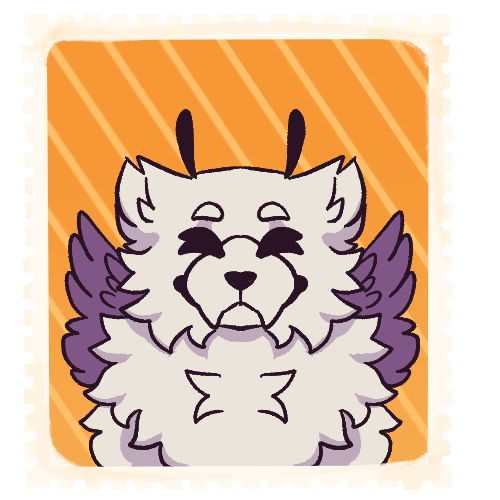
Tiny Feathered Wings
"Downy like a hatchling..."
Gives your critter 2 small feathered wings!
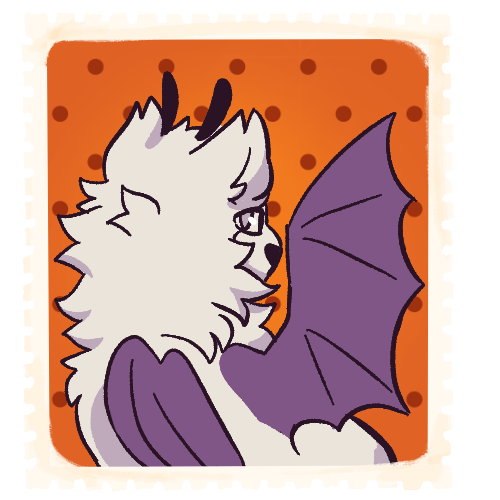
Bat Flappers
"Perhaps flight is unattainable..."
Requirements - Tiny Webbed Wings
Increases existing wings to be medium sized.
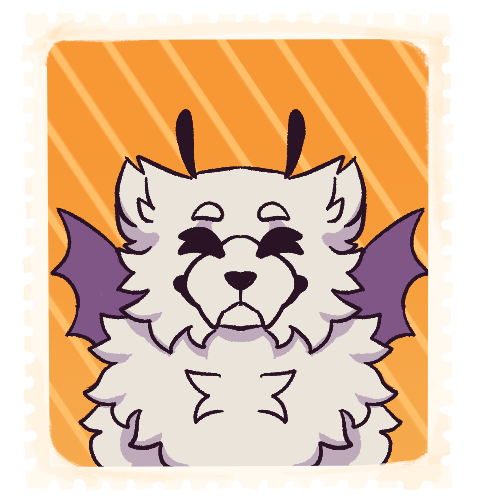
Tiny Webbed Wings
"I'm gonna take off!"
Gives your critter 2 small webbed wings!
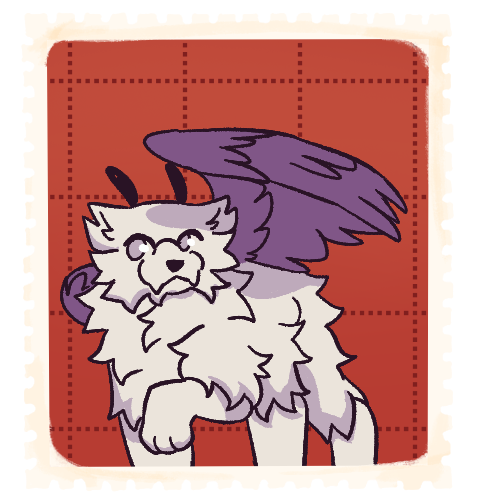
Big Wings
"Watch me touch the sky!"
Requirements - Medium webbed/feathered wings
Increases previously existing webbed/feathered wings in size. New wingspan should be about the length of your critter from head to tail-tip, as a rough guideline.
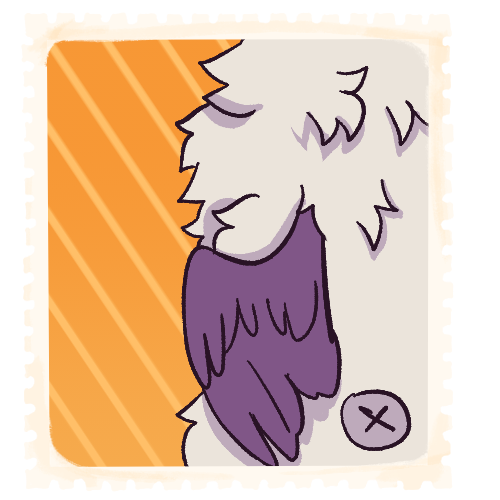
Lower Wings
"..."
Requirements - Any Wing Trait
Moves the wings from the shoulder blades to mid-back!
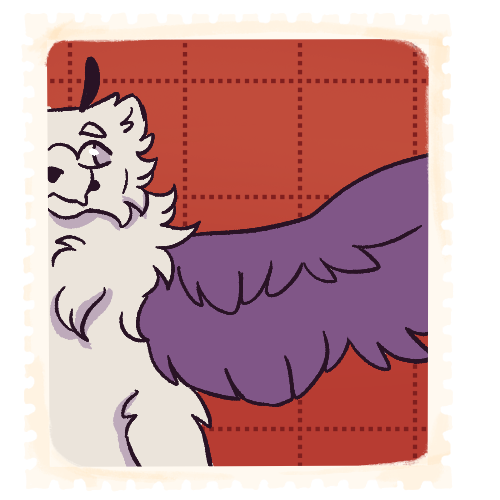
Limb Wings
"They'll get you further!"
Requirements - Draw your critter sky watching.
Replaces one (symmetrical) pair of your critter's limbs with wings. May be webbed or feathered.
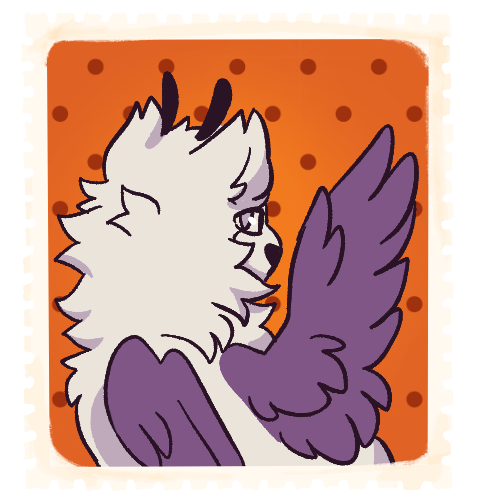
Medium Feathered Wings
"Birds of a feather, or... whatever."
Requirements - Tiny Feathered Wings
Increases the size of existing feathered wings
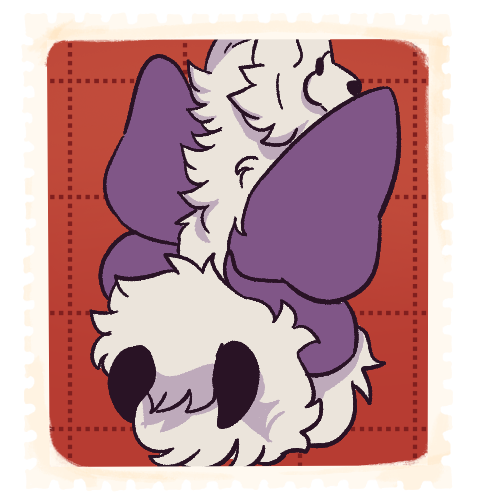
Flutter Wings
"Look, I'm a beautiful butterfly :3"
Adds wings modeled after butterfly or moth wings.
Tail Traits
All tails need stinger(s) present! Stinger shape can be influenced by tail tip, which can also unify the two stingers into a centered one, granted the tail tip becomes arcanic-colored.
Tails
The shape of the tail itself! Must always have the stinger(s) on it.
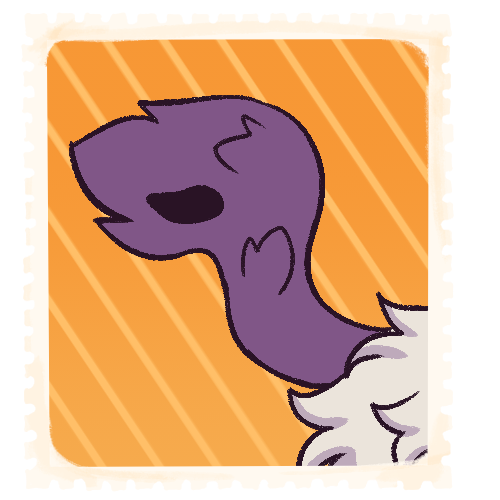
Kitty Tail
"Mrp?"
Adds a fluffy, thinner tail!
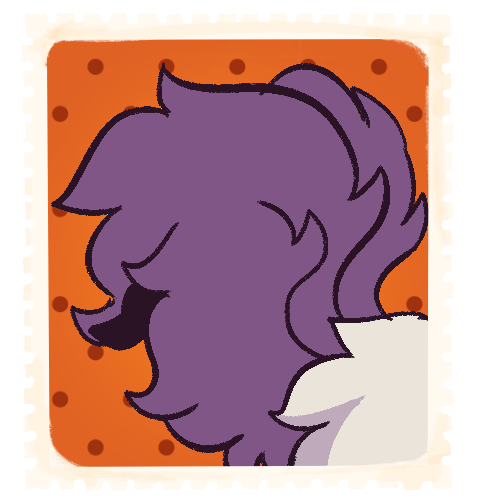
Two Tails
"... and make it double!"
Turns one tail into two! Should only have 2 stingers between the tails, not 2 each.
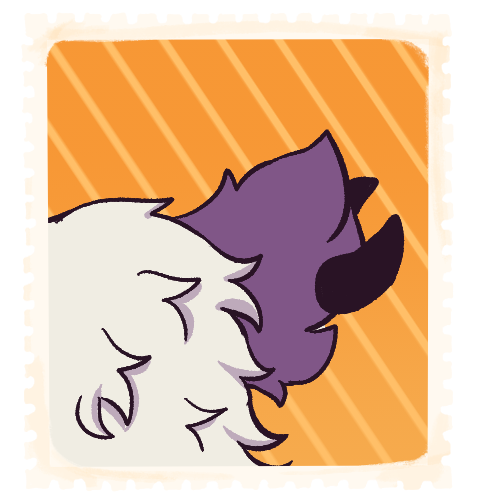
Stubby nub
"It's so wittle!"
Makes the tail tiny and stubbed!
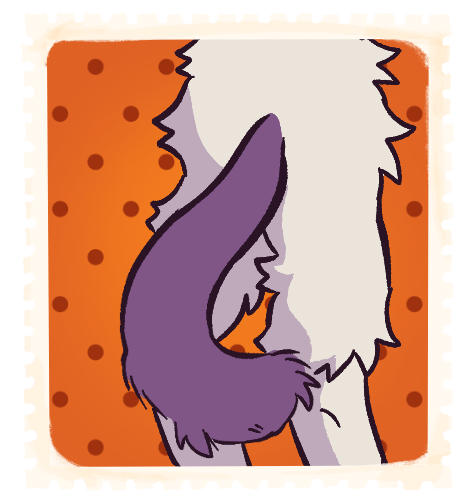
Lemur Tail
"Lemeem"
A thin, long tail with a rounded end (think red panda or lemur).
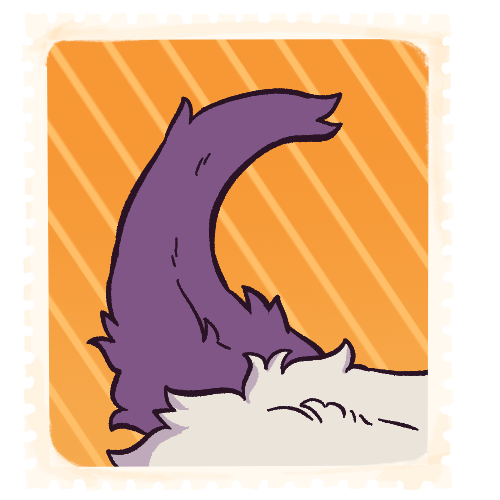
Thin Tail
"Remember Leopard Geckos?"
Adds a medium-length tail that is wider at the base and thinner at the tip.
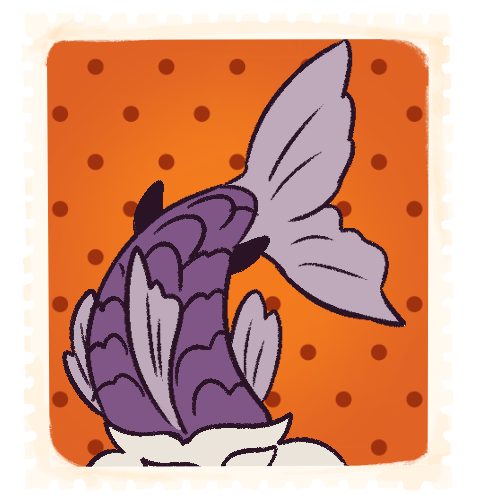
Fishy Tail
"Glub... glub?"
Adds a scaled fish tail!
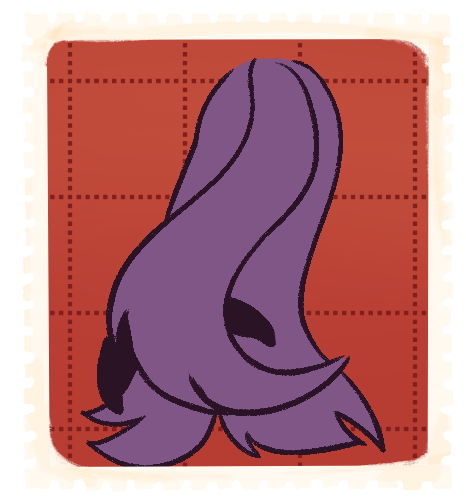
Triple tails
"Little Words or a quip!"
Requirements - Double tails
Increases the two tails to three!
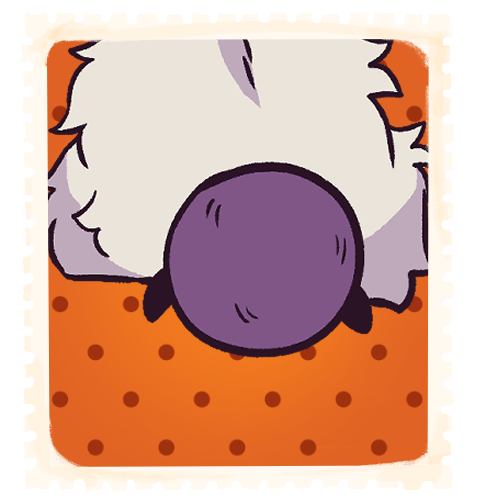
Bubble Butt
"Woah, Cottontail!"
Reduces the default tail to one bubble. Has a very cotton-like texture.
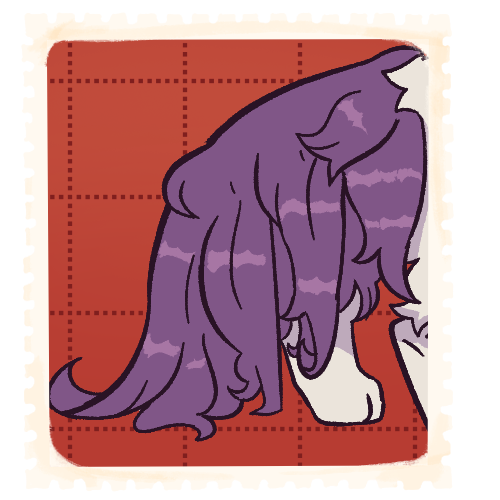
Kelpie Tail
"Needs shampooing..."
Adds a long-furred, pretty tail to a critter. Tends to drag on the ground due to the weight of the fur.
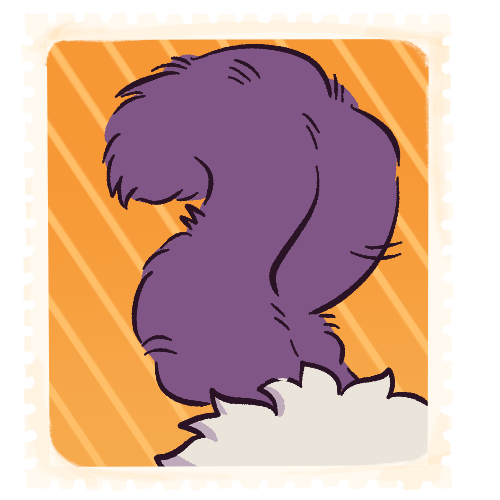
Tree-climber tail
"Like that thing from Ice Age"
Adds a long, naturally-curled tail with thick fur.
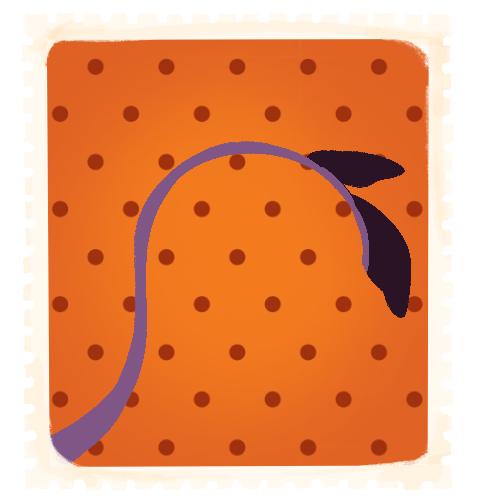
Whip-thin Tail
"Yeowch! Watch your tail!"
Makes your tail super super thin...
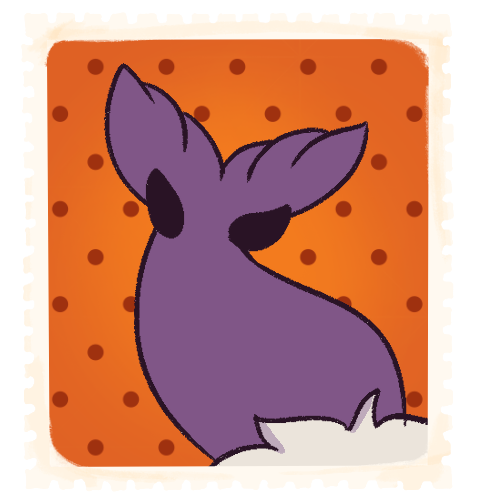
Sea Mammal Tail
"For when you're ready to be a silly seal."
Adds a tail modeled after any sea mammal. Can thus be furred accordingly.
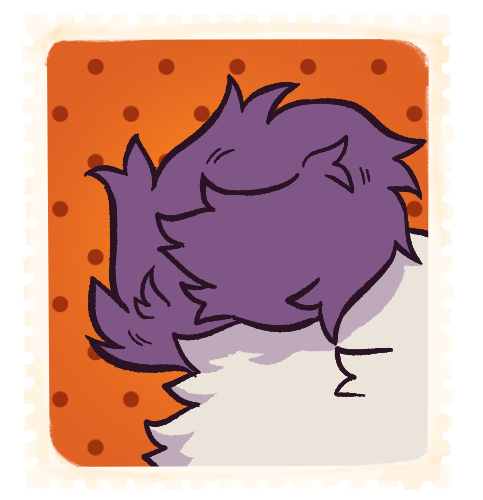
Cinnamon Roll Tail
"Could kill you"
Gives the user a cute, curly tail! Can be combined with any other upgrade.
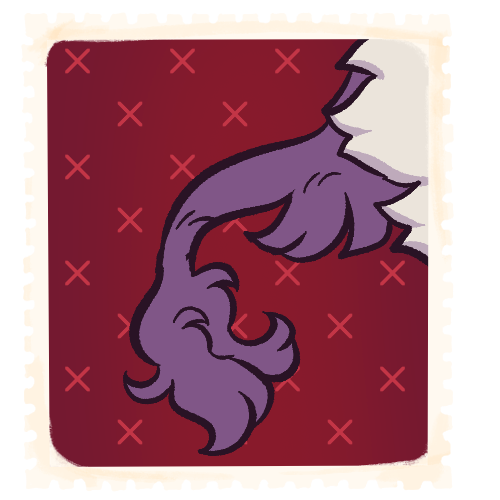
Whimsical Tail
"Thou hast new tail."
Adds a relatively short tail (falls down to about the knee) styled after medieval unicorns.
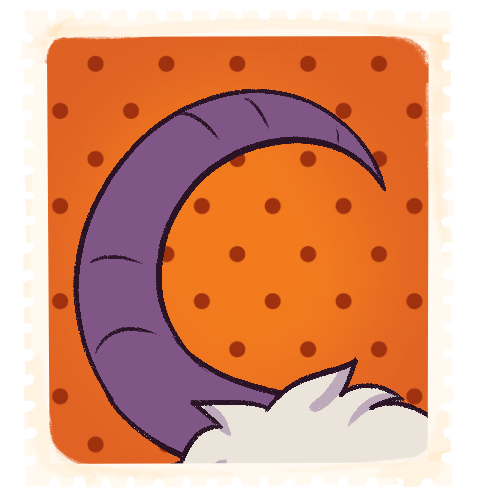
Worm Tail
"No, it's not fish bait!"
De-furs your critter's tail.
Tail must still have stingers!!
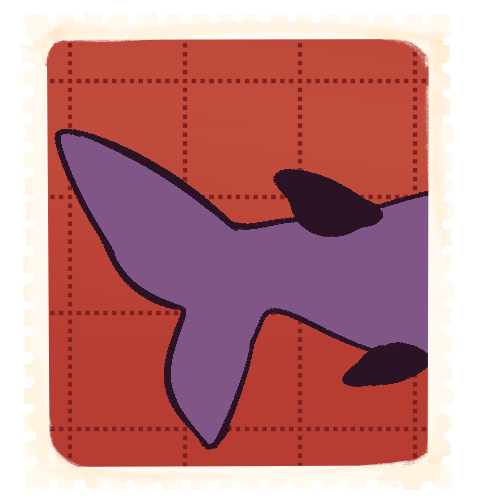
Shark Tail
"We're gonna need a bigger boat!"
Can be based off of any shark! Has the silky texture of a real shark.
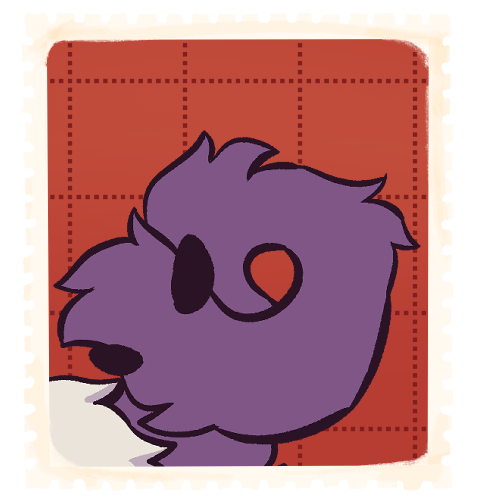
Long Lengthness
"The anti-stubby anti-nub!"
Adds a very long (go crazy) tail! Can be combined with any tail to lengthen it.
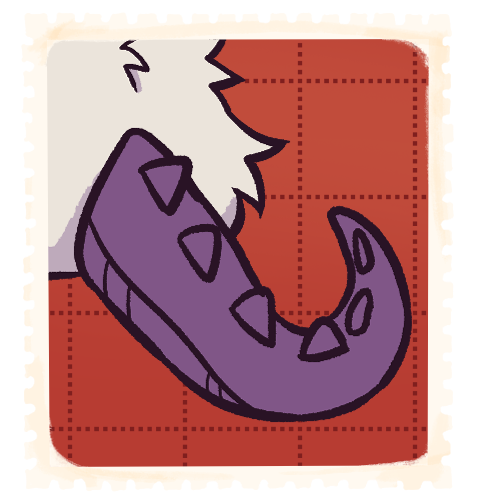
Nondescript Reptilian Tail
"Jurassic!"
Creates a scaled, spiked tail that vaguely resembles that of a caroon dinosaur or dragon.
Tail Tips
Adds a distinct tail tip to your critter. May replace the stingers (taking on the properties of them and the shape of the trait tip) or exist alongside them. If replacing the stingers they must be that color, but otherwise may be any color already on the critter unless stated otherwise.These should also be around the size displayed, but there's a degree of leniency.

Electric Tail
"Bzzt!"
Adds an energy bolt to the tip of the tail!

Starstruck tail
"Reach for the moon..."
Adds a 5-point star to the critter's tail tip!

Moon Tail
"Reach for the moon, and hit... the moon?"
Adds a moon-shaped tail tip to your critter's tail! Can be connected at any point on the moon.
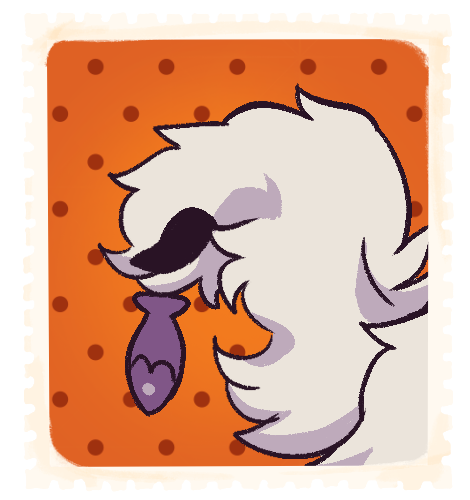
Fishing lure tail
"buy a critter eat fish he day-"
Adds a lure-like tip to your critter's tail!
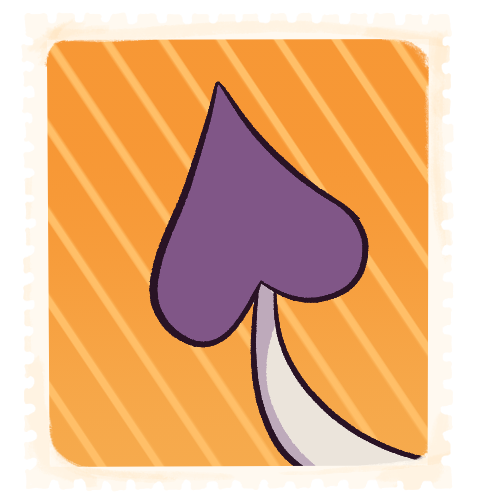
Heart Tail
"Or old dragon tail..."
Adds a heart-shaped tip to the tail, can be attached at either the point or the fold!
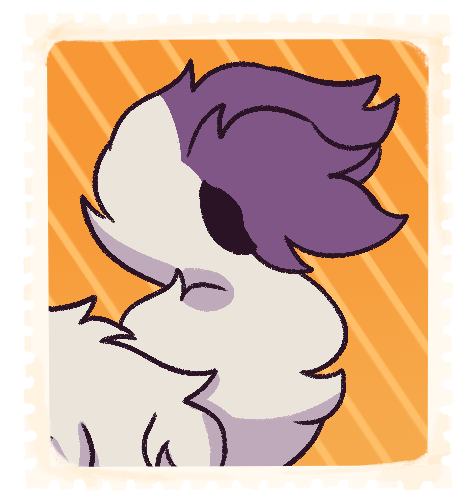
Two tails tips!
"Like two tim-"
splits the existing tail into two at its tip.
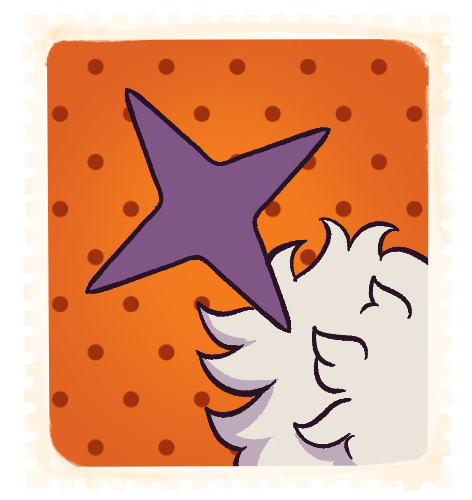
Star Tail
"Owchie!"
Adds a four-pronged star to the tip of the tail.
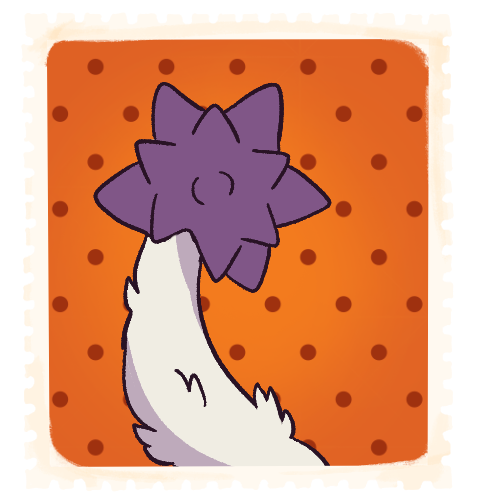
Club Tail
"So you're the guy no one wants as an enemy."
Adds a spiked (can be sharp or rounded off) tail tip.
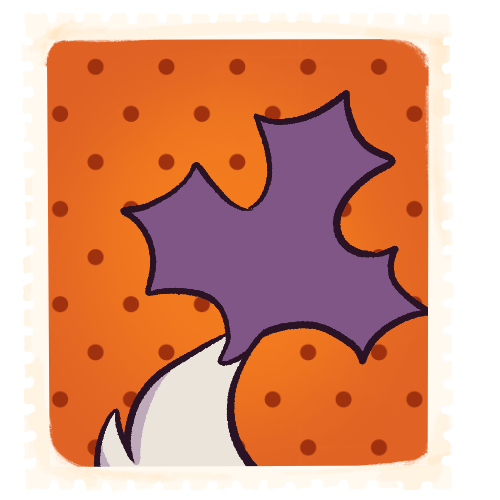
Leaf Tail
"It's all naturale!"
Adds a tail tip in the shape of any leaf!
Seasonal Upgrades
The Wild Hunt
As spring melts away the snow, many creatures thaw and resume their endless chase of those residing within Rifthaven. These upgrades can be earned from March 20-April 20.
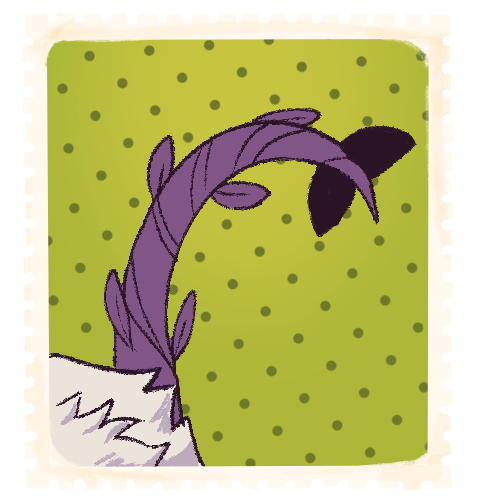
Vine Tail
"Vine is back?"
Requirements - 1 Wild Hunt trait ticket
Your critter's tail is replaced by a vine. Can be any color or inspired by any plant.
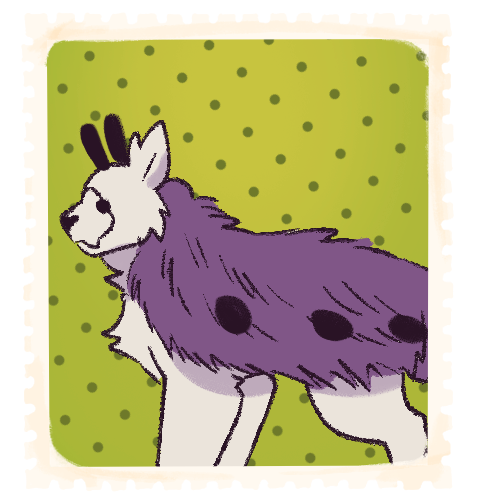
Grassy Cape
"There's gotta be spiders in there..."
Requirements - 1 Wild Hunt Trait Ticket
Replaces the long texture with grass or moss.
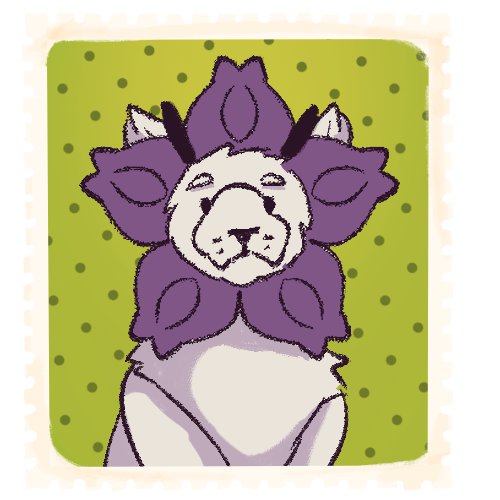
Flower Mane
"I know the perfect CBC for this.."
Requirements - 1 Wild Hunt trait ticket
Gives your Critter a ring of flower petals around their head!
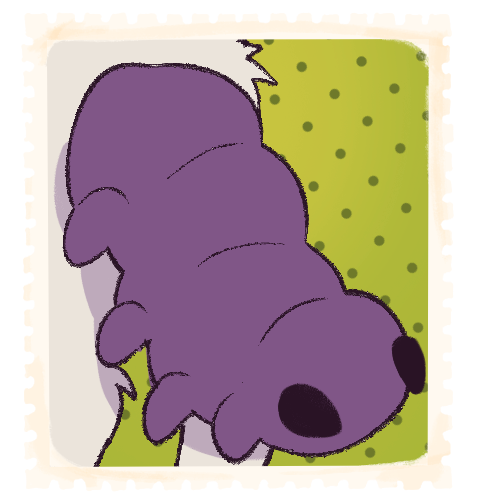
Buggy Butt
"Little Words or a quip!"
Requirements - 1 Wild Hunt trait ticket
Changes your Critter's tail to that of a bug! May be any insect with a long back half, including but not limited to: centipedes, worms, caterpillars, millipedes, earwigs, silverfish, and isopods.
Staff acknowledges that some of those aren't technically "insects".
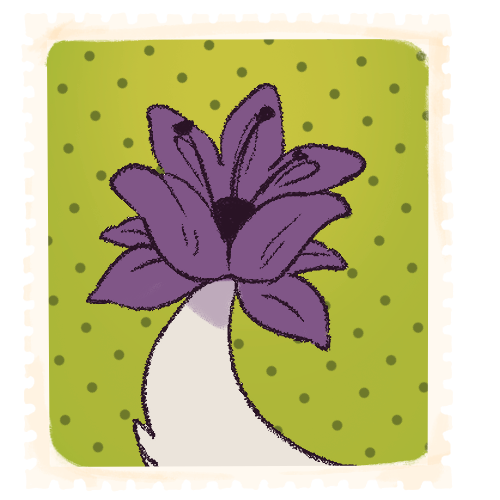
Flower Tail Tip
"Allergy-free!"
Requirements - 1 Wild Hunt trait ticket
Replaces the stingers with a flower of your choosing. Must have a visible pistil/stamen that is Arcanic-colored.
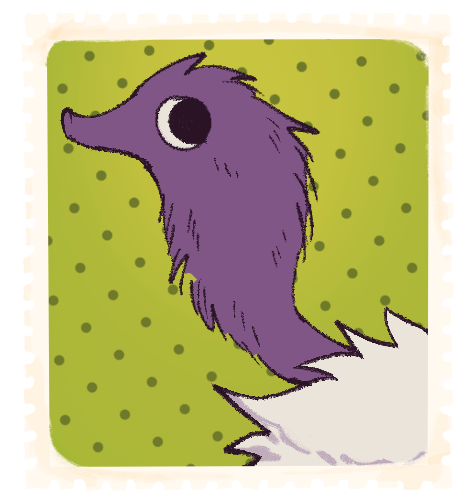
Friendly Tail
"You got a staring problem, pal?"
Requirements - 1 Wild hunt trait ticket
The tail is now a conscious little beast! May be any bug (as defined broadly in Buggy Butt) or a worm on a string! It is alive, but not sapient.
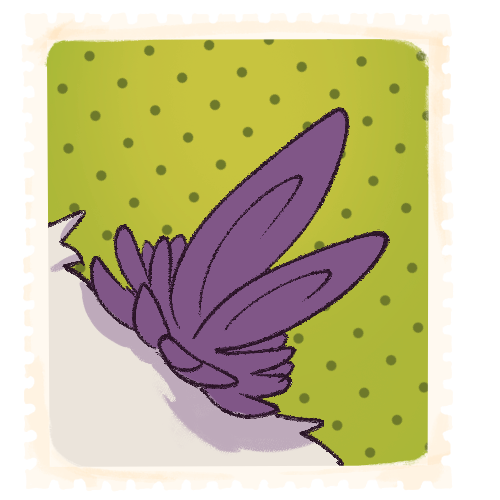
Blooming Wings
"These are starting to feel like surface arcana's leftovers..."
Requirements - 1 Wild Hunt Trait Ticket
Creates a bloom with some long, vaguely wing-like petals on the back. Around the shoulder blades by default.

Trait Name
"Little Words or a quip!"
Requirements -
Description text
The Summer Solstice
A celebration of summer, these upgrades can be earned from June 10-July 10.

Trait Name
"Little Words or a quip!"
Requirements -
Description text

Trait Name
"Little Words or a quip!"
Requirements -
Description text

Trait Name
"Little Words or a quip!"
Requirements -
Description text

Trait Name
"Little Words or a quip!"
Requirements -
Description text

Trait Name
"Little Words or a quip!"
Requirements -
Description text

Trait Name
"Little Words or a quip!"
Requirements -
Description text

Trait Name
"Little Words or a quip!"
Requirements -
Description text

Trait Name
"Little Words or a quip!"
Requirements -
Description text
Harvest Festival / Hallow's Eve
A dual celebration of the year's harvest and the October holiday. These upgrades can be earned from October 1-November 1.
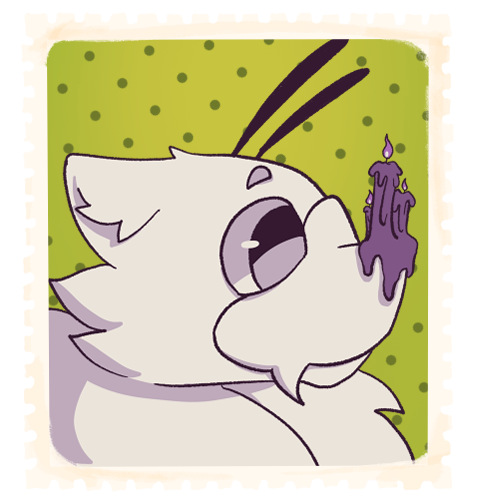
Waxflames
"No need to be scared of the dark now!"
Requirements - 1 Hallow's Eve Trait Ticket
Adds candles all over the body of your critter (can be placed anywhere). The flames glow the critter's accent color and only produce a very faint warmth.

Trait Name
"Little Words or a quip!"
Requirements -
Description text
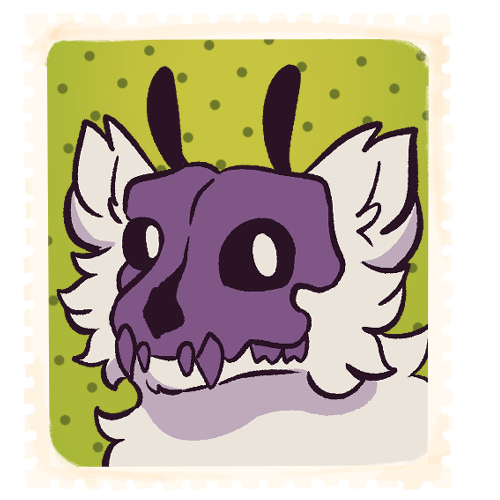
Rotting Mask
"...stop staring at me."
Requirements - 1 Hallow's Eve Trait Ticket
Whether it exposes the Calipede's skull or adds a skull mask on top is up for debate, but nonetheless the upper half of the critter's skull is visible. Should be bone-colored by default.
Can optionally combine with Horns and take on their attributes (color, texture). Can inversely make Bone Horns.

Trait Name
"Little Words or a quip!"
Requirements -
Description text
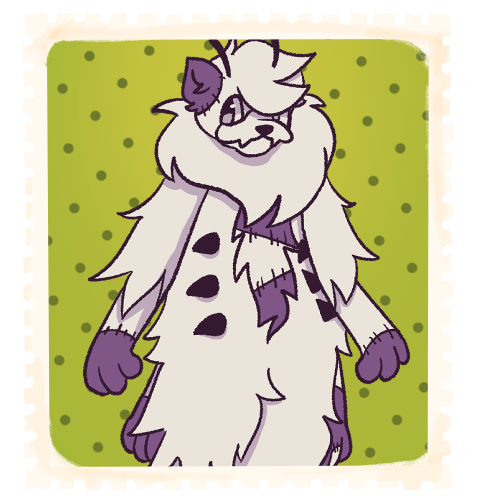
Patchwork Body
"Now where'd I put my hand...?"
Requirements - 1 Hallow's Eve Trait Ticket
Adds segments on the critter's body. If on the joints, the limb becomes removeable (with stagnant, cartoonish blood and bone visible). It's able to be controlled once removed.

Trait Name
"Little Words or a quip!"
Requirements -
Description text

Trait Name
"Little Words or a quip!"
Requirements -
Description text

Trait Name
"Little Words or a quip!"
Requirements -
Description text
Hearthmoon
As the coldest time of year sets in, critters gather from all over to celebrate their community and come together. These upgrades can be earned from December 12-January 12.
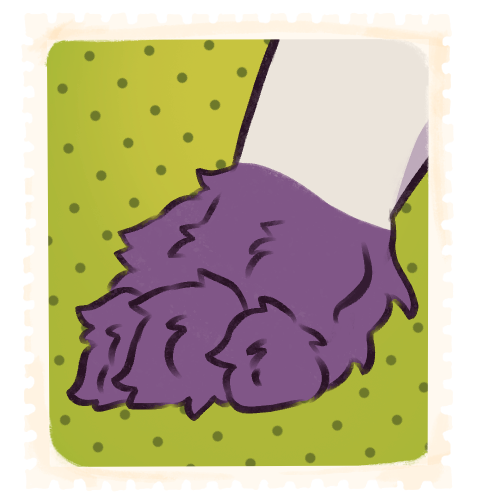
Big Bappers
"Great for snowballs!"
Requirements - 1 Hearthmoon Trait ticket
Makes the paws noticeably larger and fluffier.
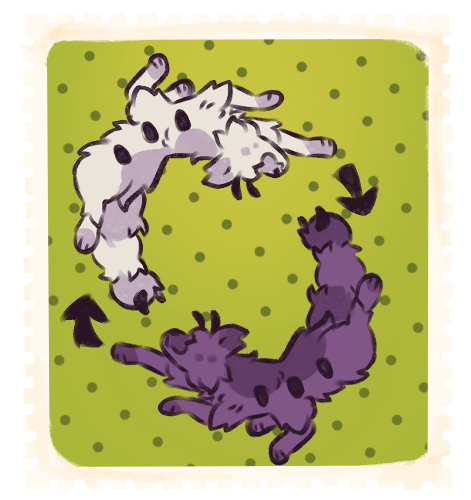
Winter Coat
"Did you get a new haircut?"
Requirements - 1 Hearthmoon Trait ticket
Adds a secondary palette to your Calipede. Arcanic and Accent color cannot change; only the fur changes. Markings must stay in place, only changing color. Contrary to the title, the palettes can be used interchangeably, season has no effect.
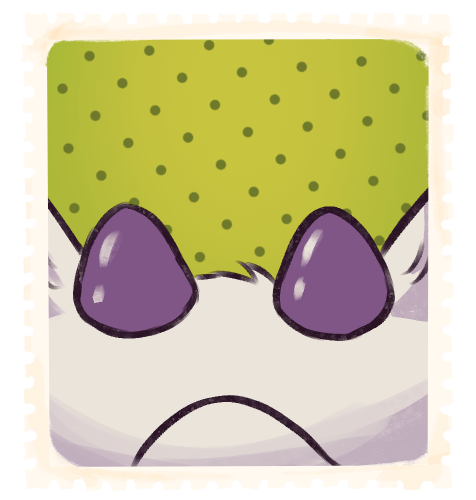
Gumdrop Antennae
"Delicious!"
Requirements - 1 Hearthmoon Trait ticket
Makes the antennae short, stubby, and round.

Trait Name
"Little Words or a quip!"
Requirements -
Description text
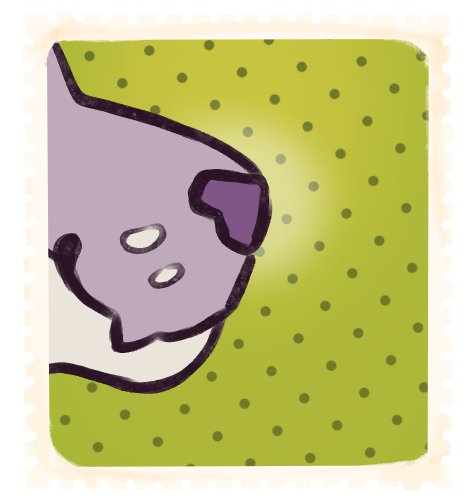
Glowing Nose
"Copyright free..."
Requirements - 1 Hearthmoon Trait ticket
The nose can now glow at will!

Trait Name
"Little Words or a quip!"
Requirements -
Description text
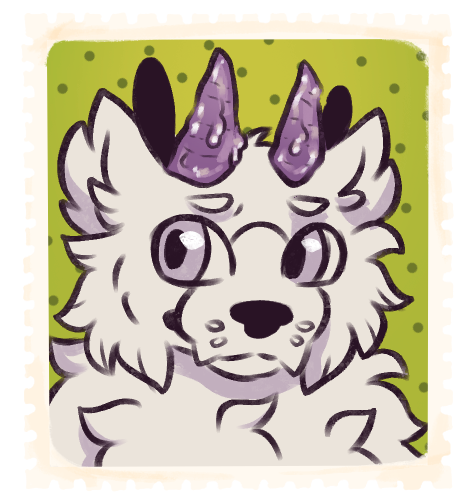
Icicle Horns [Texture]
"Infinite water glitch!"
Requirements - 1 Hearthmoon Trait ticket
Changes the texture of existing horns to be icy! Creative liberty allowed, such as whether the ice is clear or foggy, melting or not, etc.

Trait Name
"Little Words or a quip!"
Requirements -
Description text
Injury and Illness
No injuries nor disabilities are restricted past requirements showing how it occured (if it's a visible disability). Blindness and Lost Limbs may be applied at the creation of a nymph, but scarring needs to be added post-character creation.Scars should be a lighter/darker version of the arcanic color!Note: Scars should NOT be spoiled unless they're clearly intended to be Self-harm, in which case there should be a spoiler and trigger warning.
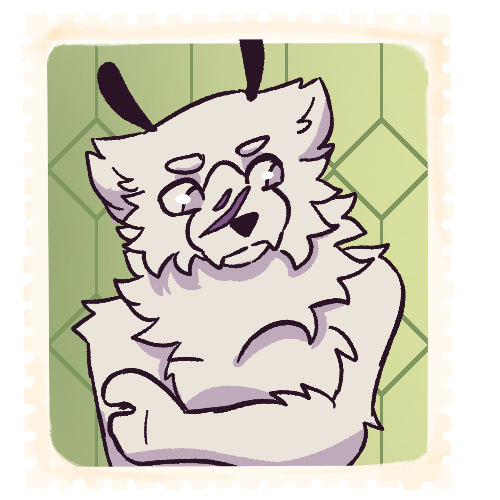
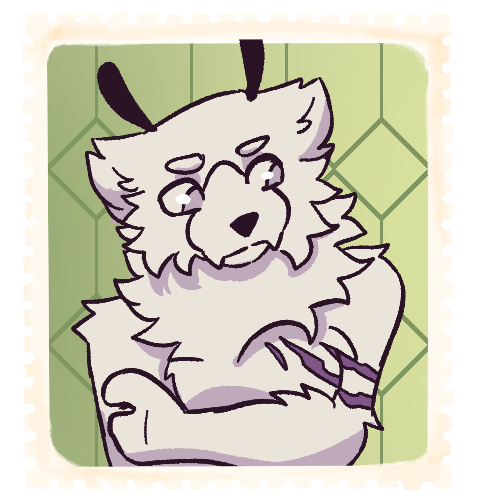
Small Scars
"A fatal wound."
Requirements - Write about or show how your critter got injured!
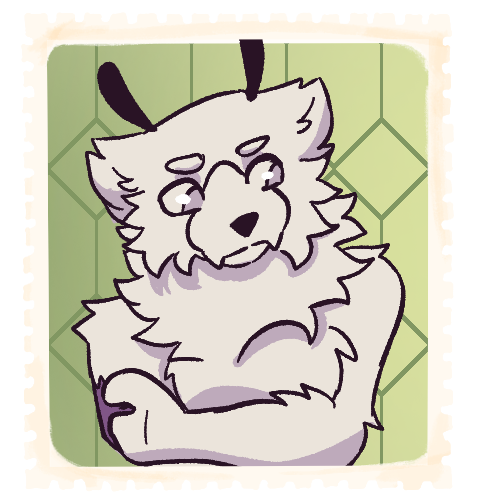
Medium Scars
"Got a lil scraped up!"
Requirements - Write about or show how your critter got injured!
Major Injury
"Tis but a Scratch!"
Requirements - Write about or show how your critter got injured! Can only be applied once every 3 months.
Removes a limb or causes major scarring. A removed limb must have either a stub OR noticeable scarring (whether it be surgical stitches or more violent in appearance).
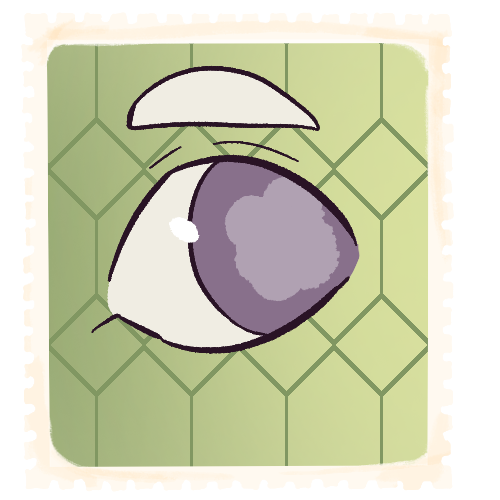
Blindness
"As if I wasn't clumsy enough..."
Requirements - Write about or show how your critter got injured!
May add a milky inside to the eye (a few shades lighter and less saturated than the primary eye color) if desired!
Curses
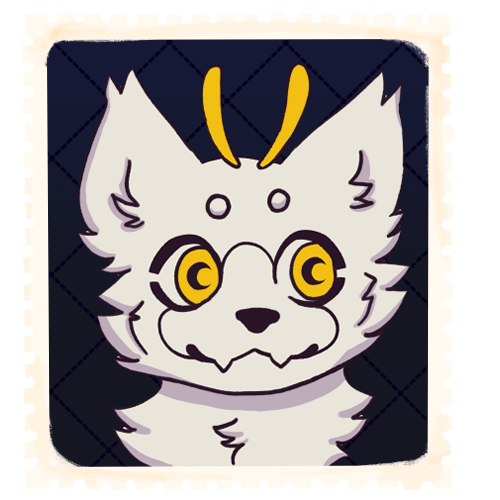
Lunar Pupils
"When the moon hits your eye like a big pizza pie"
Requirements - Moonbound curse stage one
The first stage of Moonbound curse. Pupils change shape to resemble moons, changing according to the moon cycle. Arcanic color changes to a bright yellow (#f2c013), optionally changing eye color as well.
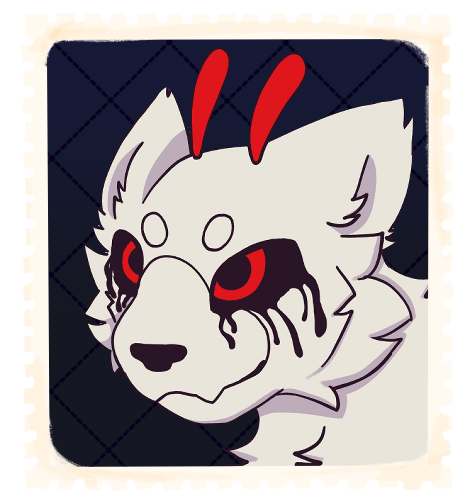
Bloodshot Eyes
"I'm literally shaking, buy brown contacts."
Requirements - Arcanic Anemia stage one
Changes color of sclera to be off-black or lineart color. Eyes constantly “cry” thick fluid the same color as the sclera. Additionally, arcanic color changes to a bright red (#df161c), optionally changing eye color as well.
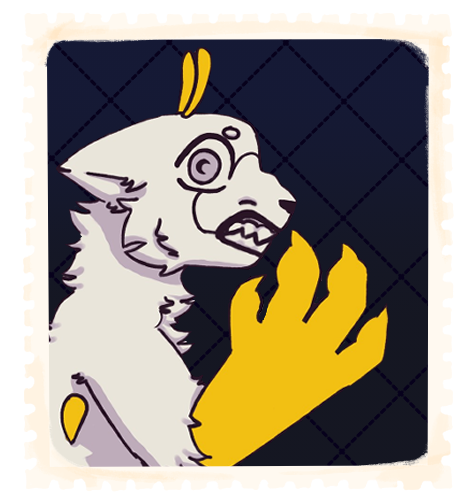
Bappy Paws
“Who wants a high five?”
Requirements - Moonbound curse stage two
Morphs the lower limbs into monstrous appendages, with huge, cruel paws and sharp claws. The limb becomes longer and thicker, as well. May be applied to any limbs that aren’t structurally hind legs.
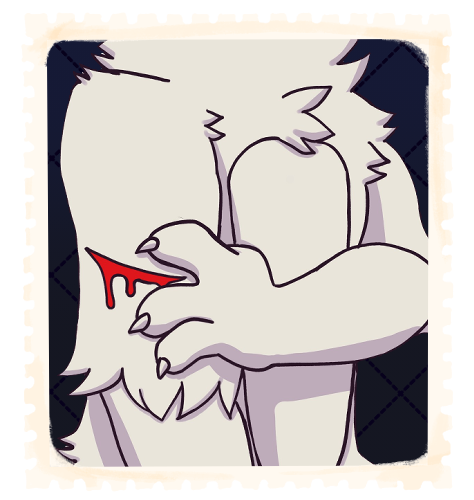
Ever-bleeding Wounds
"Keeping Suma in business!"
Requirements - Arcanic Anemia stage two
Critter’s skin becomes paper-thin, making it nearly impossible to avoid injury. These new cuts continuously bleed. Any previously sustained scars open up again and begin bleeding as well. As though the blood spills from a well beyond the critter’s body, the blood loss leads to nothing more severe than headaches and dizziness.
Please note that this trait should be spoiled when drawn, with an appropriate warning to the effect of "fresh wound".
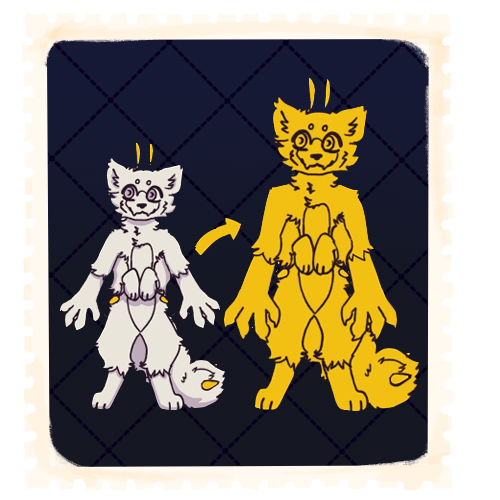
Gigantism
"They grow up so fast..."
Requirements - Moonbound curse stage three
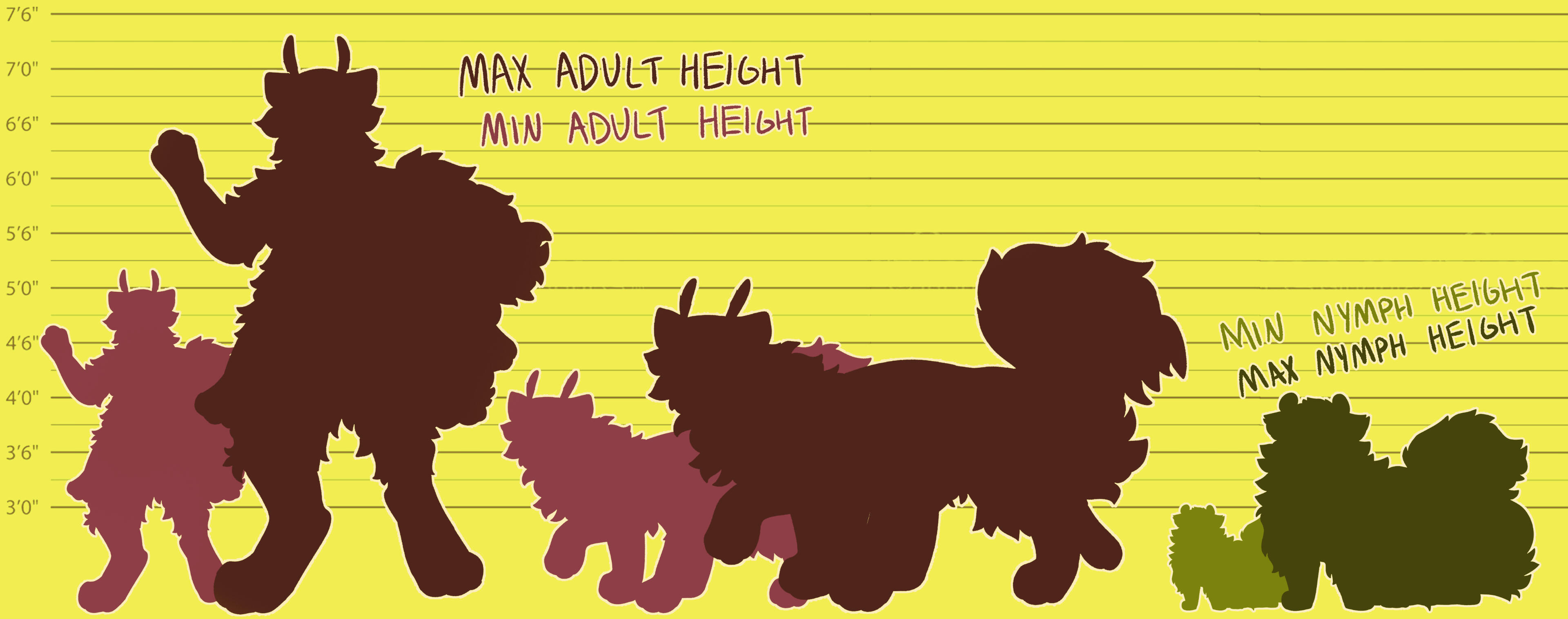
Changes the height range of your critter to up to 8' on hind legs, 5'6 on all fours. Also increases the length of one or more sets of non-hind limbs, maxing out at about double the limb’s original length.
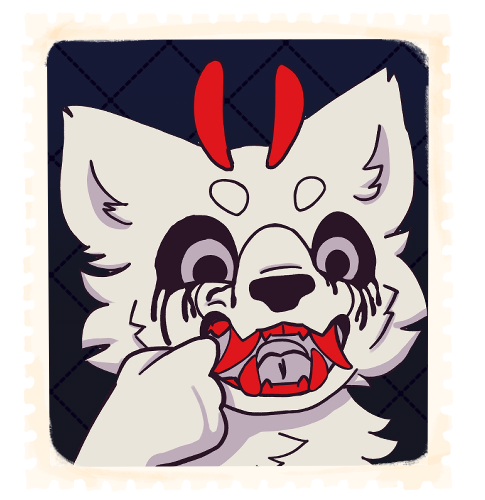
Conduit Canines
"Do the roar!"
Requirements: Arcanic Anemia stage three
The critter’s teeth adapt to their new bloodthirst, transmuting into conduits and lengthening their canines to both increase the yield of blood with larger bite wounds and directly transfer blood to the critter’s magic system. One or both sets of lengthened teeth stick out of the critter’s mouth when it is closed.
Rules and Guides
While yes, Calipedes are cute and silly little guys, this group has a LOT of horror elements! There will be dark themes and imagery such as: religious horror, death, gore, body horror, and other potential triggers.
Your involvement with the plot is up to you! You may interact with it completely and constantly or choose to refrain and keep your characters' plotlines to themselves. We don't really moderate your stories very hard.
You must be 15+ to participate in Calipedes and must have discord and toyhou.se (or be willing to get the latter; we have codes).
Be kind to other users, don't guilt trip staff or players, and don't curse at others or use slurs. Discrimination of any kind is not tolerated.
No NSFW art or writing is allowed in the server! Slight suggestive themes are allowed (innuendo, allusion), but nothing verging on outright sexual in nature.
Please avoid political talk within the server.
No mini-modding.
No use of generative AI in any form within the server: no sharing or encouraging the use of any AI for creative purposes.
FAQ
Q: How do I make a Calipede? You enter our Discord and join during one of our three annual openings in September, March, and June. Or you can purchase an MYO from our store and join any time!
Q: What is an upgrade/trait? We use the terms interchangeably to essentially mean... well, traits! They're the things that make Calipedes different from each other.
Q: How do I contact staff? You can do so at our anonymous feedback form or through a ticket/the QNA channel in the server!
Q: How do I become staff? We open applications periodically and as we see fit. Guest artists will be selected every 2 months and have the opportunity to apply for permanent artist if invited.
Q: how does the breeding system work? We don't know yet! We'll let you know when it's up and running!
Q: Do I have to have discord? Yes! It's where we do almost all communications.
Character Creation Guide
Anatomy
Calipedes do not experience physical sexes or sexual dimorphism and do not have functional reproductive organs.
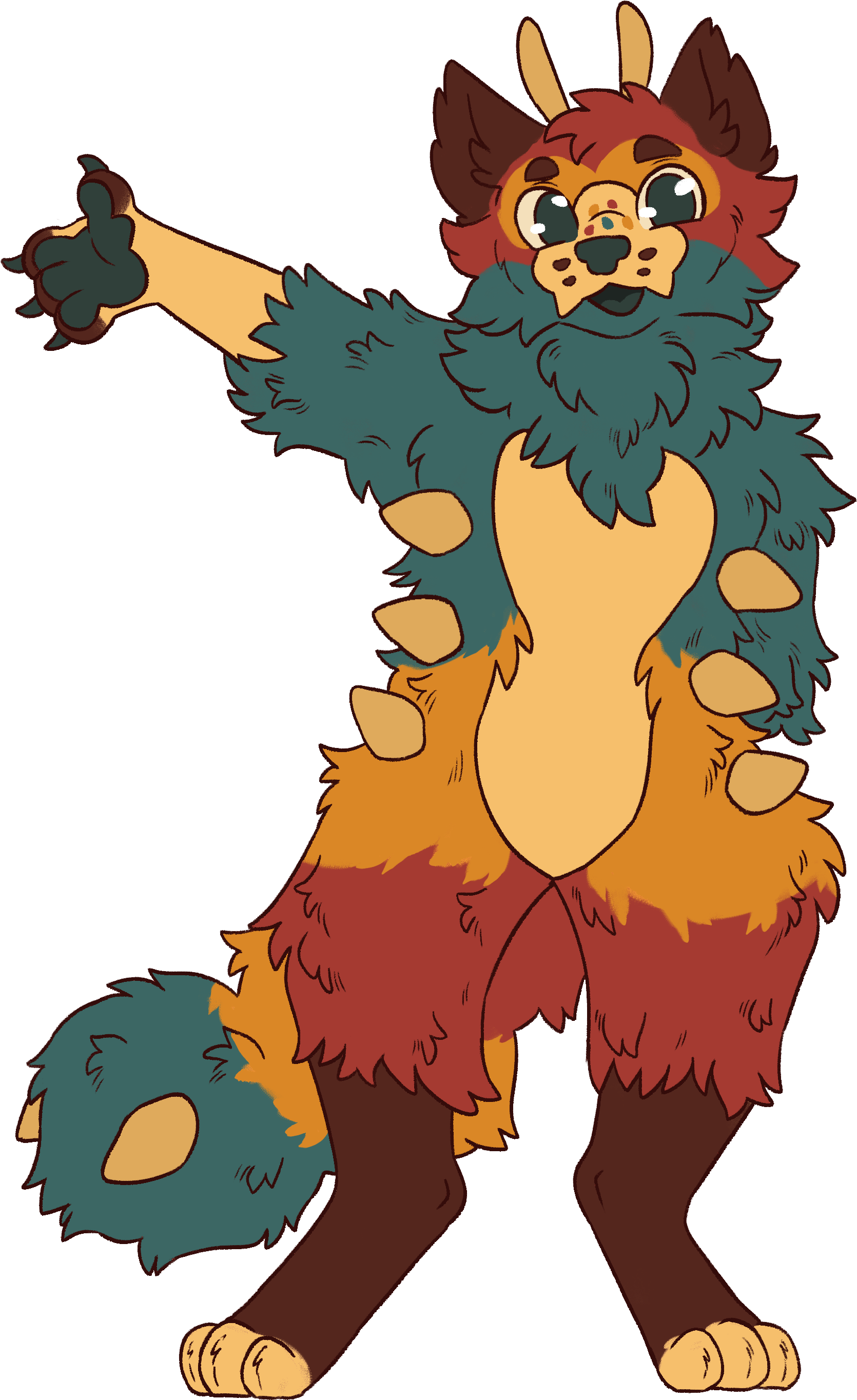
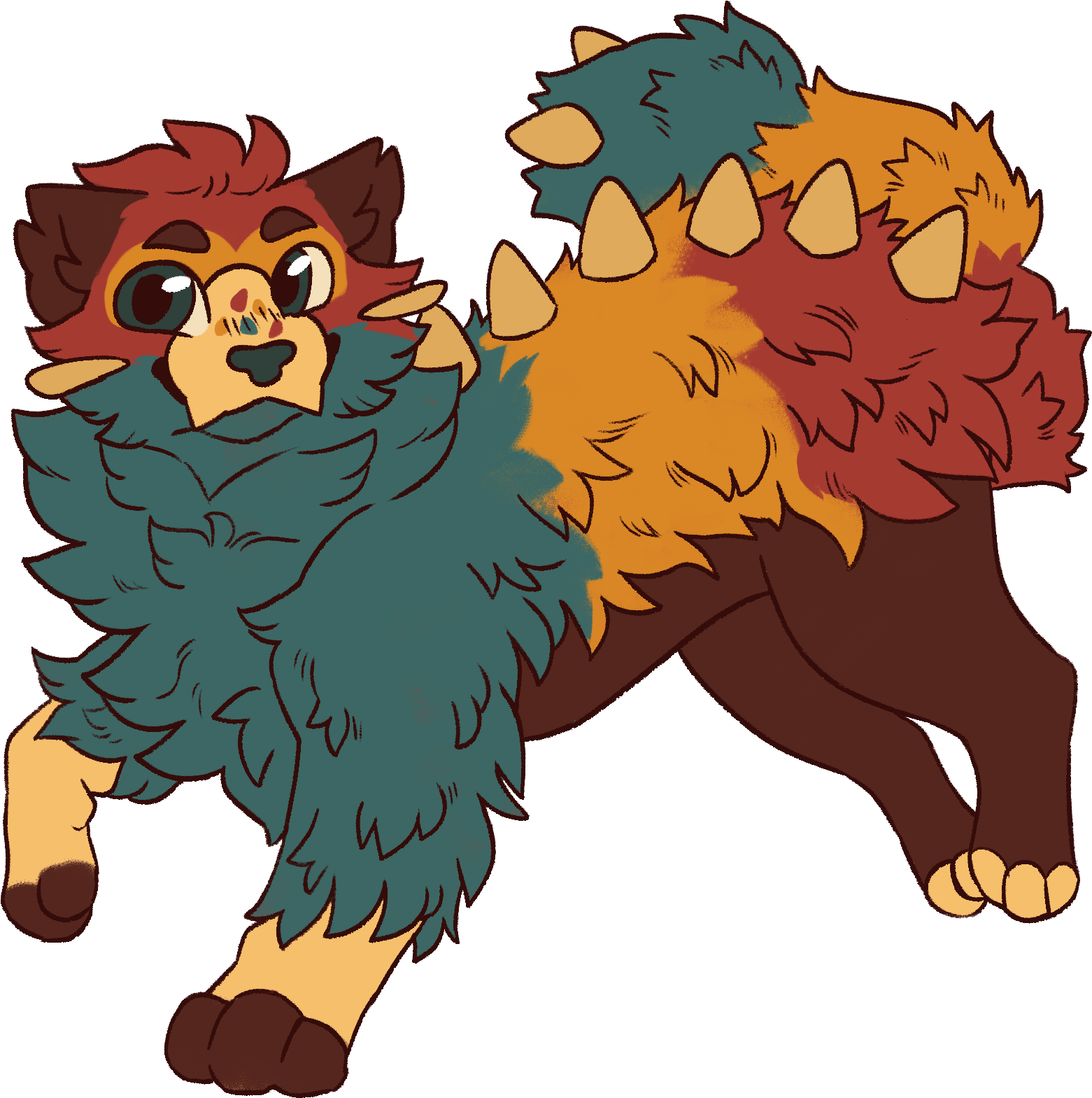
Calipedes can also switch between Anthro and Feral!
Calipedes MANDATORY Anatomy includes:
Described is default anatomy, meaning much of it can be changed. Such is the case with many of the following traits, so traits that cannot be changed or altered at all are indicated with *. Things that can be customized but not removed are indicated with **. Anything else can be removed or else changed in a myriad of ways.Your Calipede may have any accessories, but you must show them without in their application image.
4-6 legs, distributed symmetrically anywhere on the torso (see below)*
2 antennae anywhere on the head (symmetrical)**
6 symmetrically placed conduits shaped as shown, on the body (from the neck down to the legs, excluding tail and head).**
A stocky build with somewhat short, thick limbs and a long torso. May be stylized but should borrow from bears and such.*
2 symmetrically placed "stinger" conduits on tail tip**
A distinct textural split between short and long fur, with long fur occupying slightly more space on the body than the short.**
A short-furred mask, shape must be as shown**
Doglike nose*
3 toes on each foot (thumbs and claws optional) with a single, large pad.
Large tail with 3 distinct puffs.
Small, fuzzy ears. (Can be shaped after any animal as long as they remain small; can also have insides!)
All Conduits (places arcana is channeled; the antennae, the ones on the side, and the tail) MUST have a saturation of less than 55% and value of 75% or higher! This is called the Arcanic Color and ALL conduits must be the same color unless otherwise specified.
The eyes should be 1 unshaded color and will define the accent, which should be placed on the paw pads and is used for various traits (specified in their descriptions). This accent color can be anything but pure white/black.
Pupils are optional but should be black or off-black (or lineart color), and sclera should be white/off white.*
Misc. optional anatomical details include a Primordial Pouch (something they have but which you do not in any capacity have to depict), they are capable of purring, four muzzle spots, and they have whiskers.
Nymph Creation Guide
Nymphs are adolescent Calipedes! You can make one with an MYO, but they're also produced via breeding!
Most of the same rules apply to Nymphs as to full-grown Calipedes, especially regarding colors, markings, and fur styles. There's a few changes for Nymphs, however...For one, Nymphs have curled antennae until they reach metamorphosis and age up into adult Calipedes. They also only have antennae and tail stingers, but no body conduits yet. This means they can't use the arcane until adulthood. Nymphs can only have 4 legs, and their tails are shorter, only having 2 puffs!
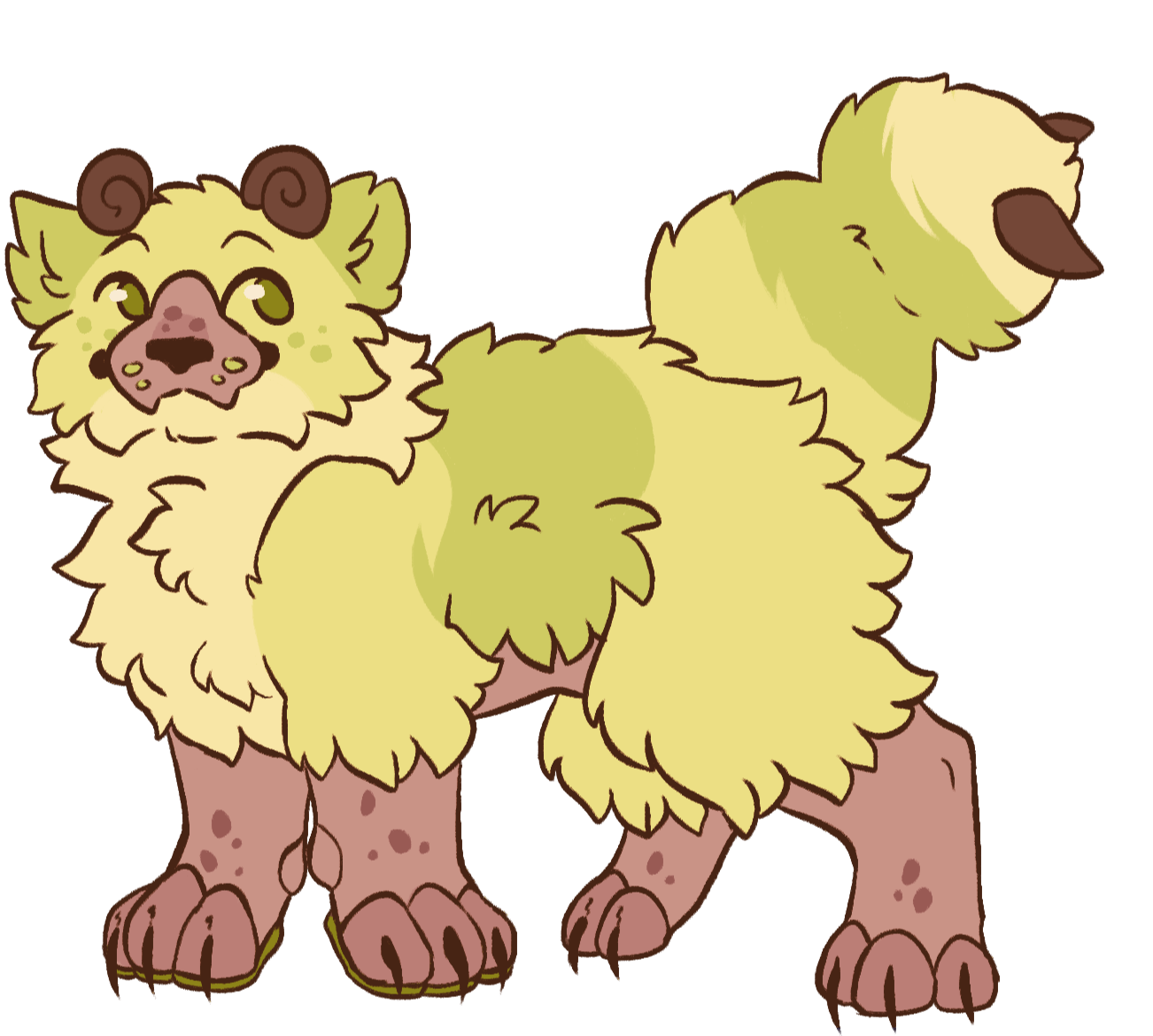
MYO Creation
When submitting a critter for approval, either via MYO, adopt, etc, you must submit the character to toyhouse under the account you're registering with us. The image uploaded must be a full body, feral or anthro, with all anatomy criteria met. No clothes or accessories are allowed (minus any mobility aids, provided they don't interfere with the visibility of the ref.)You must put the following in the description of the toyhouse page. It needs to be in this order and cannot be within a larger code (for ease of staff reading; if you'd like to implement a larger code, feel free to put required info in a tab!)Character name:
Pronouns:
ID: (leave blank, you'll get this at approval!)
Magic type (Adult characters only, delete for Nymphs!)
Traits: Follow the format [trait name] ([rarity])!Then post the toyhouse link to the approval channel and wait for staff review! You may only bump these after 48 hours.
Character Creation Rules
CBCs ARE allowed, but must follow toyhouse guidelines! This means they should not look like carbon copies of their source, include copyrighted material, etc. They also should not have the exact same name, but alluding to it is okay!
You may trade designs freely BUT must use the appropriate channel (so we can edit the Masterlist). You may trade a critter away for items, in-game currency, art, character trade, etc, no matter how you got it. You may NOT resell a Calipede you won via raffle for USD. (We also can't monitor USD transactions, so that's your discretion.)
For the comfort of members and staff, please do not include nipples or nipple-esque markings or pinkish gradients around the pelvic or breast area.
All body types are valid in Calipedes, and this includes the addition of breast-like shapes on the chest of anthro designs.
Only Calipedes staff and artists may create adopts, but anyone can sell art or customs within the server. Non-artists who provide customs may only provide designs; all items needed to create the Calipede (MYOs, trait tickets, etc) must be provided and applied by the character owner.
As stated in the injury section of our site, Nymphs can be created with disabilities. We do not limit how many or extreme these are, we just request that you don't use this to mimic existing traits. Visible disabilities at creation can include: limb differences of any kind, blindness ("visible" because it can optionally give the eye a cloudy appearance), and paralysis. Non-nymphs may have the above, as well as scarring and injuries that would have occurred after hatching. We do not monitor invisible disabilities unless concerns of harmful tropes/writing are brought to us.
Currency Guide!
Caps are our USD-equivalent currency! Many adopts and most shops will take Caps as a form of currency with a ratio of 2 caps to 1 US Dollar. They can be earned through quests, raffles, monthly prompts, etc and can be used at the shops and exchanged between users! Though they're not the easiest to get (to encourage participation with the species), Caps can be earned in a variety of ways, so make sure to explore your options!Ways to earn Caps include:
Monthly Prompts!
Quests!
Raffles/events!
Guild Quests/Bounties.
As payment from other users (for art/characters, etc.)
The DTCAY game!
And more!
The World of Calipedes
Overview
The past?
The story of the Calipedes begins on the International Space Station with a cluster of tardigrades. There the creatures rest, deep in cryptobiosis, oblivious to all around them. Down, miles and miles below them, tensions rose. Humans began to fight. They started by shouting, mere disagreements popping up between leaders across the Earth. Then, as though they'd all been waiting for a reason to stoop to violence, a world war broke loose. It escalated quickly, with nuclear warfare being released on populations. Oblivious to the rapid extinction of humans, the tardigrades continued onward.Slowly, the power to the ISS faltered, then the air flow, then the simulated gravity. The century that followed saw the slow decay of the station, parts loosening and breaking in disuse until the ISS came crashing down to earth. Deep in a now abandoned continent, a chunk of metal that happened to house the colony of tardigrades crashed unceremoniously to the ground. Nearby, a jagged chasm sliced further into the earth than any eye could possibly see. Like an x-shaped wound, the chasm was pitch-black even where light should reach and emitted a glowing miasma. The Arcane drifting from the chasm and lingering radiation from the soil came together, transforming them at a biological level. The beings that emerged from the ground were no longer microscopic, but instead furred, animalistic, conscious things with teeth, eyes, paws, ears, and tails.
They knew they existed in a way only humans ever had.And so, like the humans that destroyed the ground beneath them so long ago, they named themselves. And they were called Calipedes.
The present?
Calipedes are social creatures that have by and large settled in Rifthaven, a city centered around the Rift.By the time the Calipedes crashed, the dust had settled and the planet had changed. With it, The Rift opened, bringing the arcane into the world. The tangles of magic and remnants of the weapons used to destroy the world transformed the things on its surface, making it completely unrecognizable. While some things were restored to new life, the radiation was also held dormant by the Arcana in the air.The Calipedes settled in a city around that chasm, which came to be known as The Rift. The Rift stretches widely in each cardinal direction, a deep and nondescript gouge in the earth. Nothing thrown down it returns or makes a sound. Light shone into it does not reflect any sort of cavern walls, instead dying as if at the surface of a black hole. The Rift gives off a purple glow, despite its ability to eat light around it. It is the source of all magic, however, so they've made their home around the thing. Bridges stretch across the chasm, connecting the land that's quartered. A densely-packed city sits close to the center of the Rift, where most Calipedes live. Sparser suburbs and farmland spread out from the city, though. The bounds of Rifthaven are defined by a magically-enforced energy field that keeps most dangers outside.
The Arcane
What is Arcane magic?
The arcane exists as a form of magic. It came from The Rift, which serves as the epicenter of the arcane. Calipedes can willingly harness the arcane in spells, but they're also biologically predisposed to it; the 10 conduits on the body (6 on the flank, 2 on the head, 2 on the tail) hold the arcana a Calipede can use. These both harness and protect the Calipede; without these anchors, the magic would overwhelm their body and create instability, possibly damaging or even killing the Calipede.There are 4 base arcanic types that a Calipede can be born with:Core arcana focuses on the earth. Magic in this discipline is largely used defensively (harnessing the properties of stone and metal as armor) and for the fortification of structures. The most notable spells cast by Core magic users include finding precious minerals, producing large spikes of earth, and producing metal. Critters who work with the core arcana are seen as down-to-earth and rugged.Sea arcana focuses on water. The magic used here manipulates ice and liquid water and this discipline focuses largely on exploration skills- long journeys are aided by knowing there will always be a reliable source of water, after all! Critters with this focus also tend to explore underwater ruins, thrive in the swamps, and do well in jobs where water flow is important (infrastructure planning, farming, etc). Many of their most important spells include calling water from the earth or sky, turning water to ice in combat, and making themselves temporarily able to breathe underwater. These critters are stereotyped as being go-with-the-flow, adventurous, and creative.Sky arcana focuses on the manipulation of wind, weather, and air. Their most important spellwork tends to include creating storms during drought periods (with the help of Sea magi), the manipulation of lightning, and making themselves temporarily able to fly. Their magic is almost entirely offensive in battle. Sky magi are seen as fierce, easily-provoked, and powerful. They usually work in positions that see a lot of conflict, such as guarding or patrolling.Surface arcana involves the manipulation of plants and animals. These magi can foster the growth of plants, communicate long distances through root systems, and have intense empathy with animals. It's a useful trait to have in agriculture and exploration, where understanding the natural world around you can be life or death. Surface magi are seen as pushovers, calm, and empathetic.But there are more types of magic to be discovered...
Patrons
Where there's arcana, there's a deity to grant power.
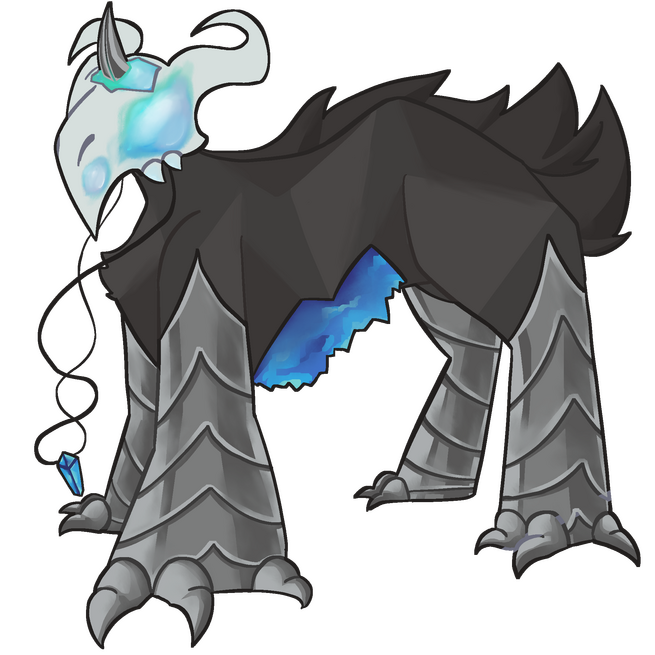
The Core’s Ribs
Core is a truly neutral being. They rarely interact with those under their care overtly, opting to watch and listen instead. Despite her brutish exterior, Core is a very attentive and level headed entity. While she may not be as forward as some of the other spirits, the Core arcanists seem to feel strengthened under their watchful eye.
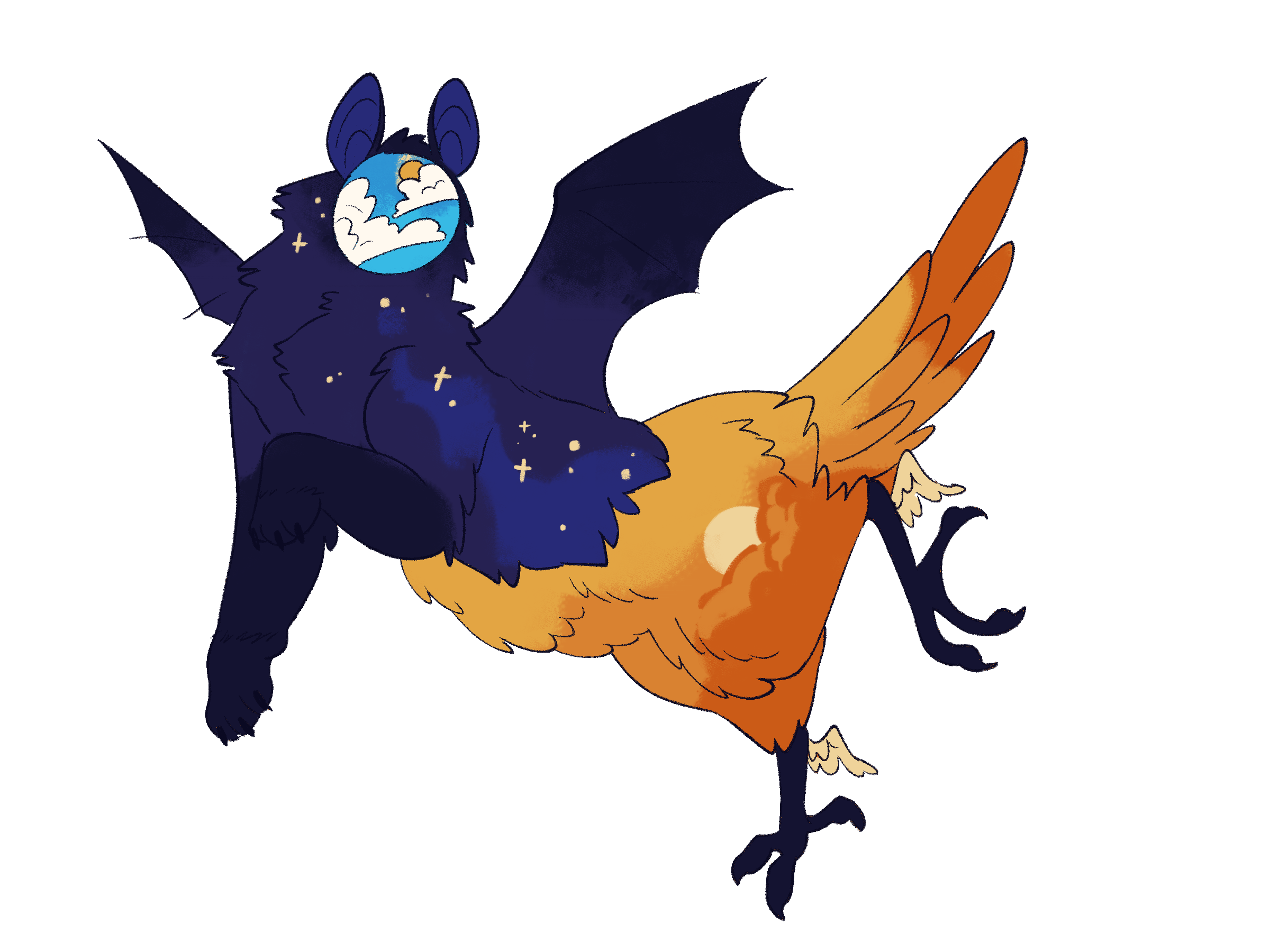
The Sky's Wing
Sky is a friendly entity, interacting with those under its domain jovially. It's flighty (pun unintended) and mysterious, but ultimately seems unthreatening. Working with Sky reveals he is a playful spirit who values his leisure time as much as his work. He truly lives up to the opposite of the stereotype for Sky arcanists.
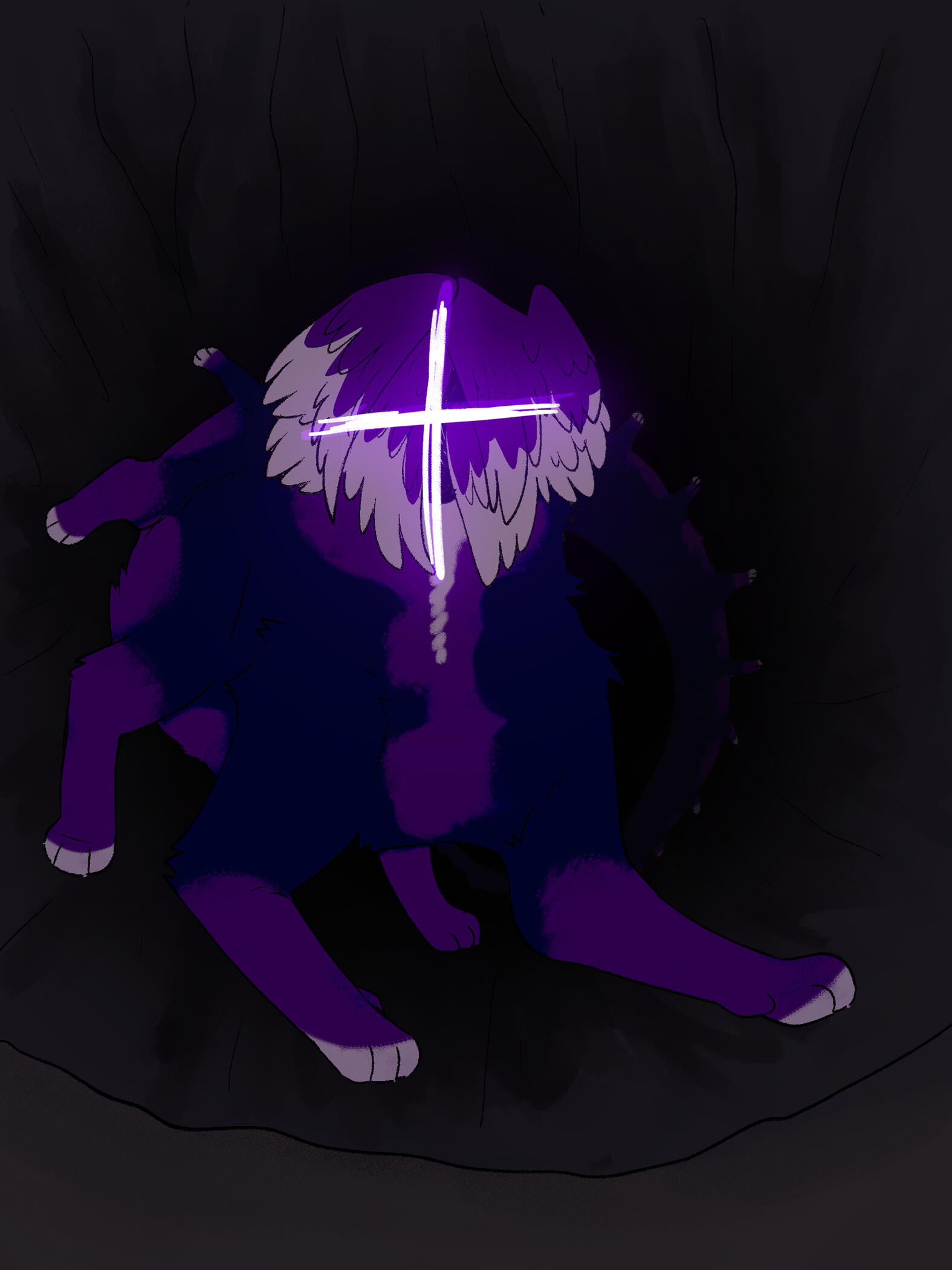
The Rift's Eye
Little is known about the mother of the deities. It keeps to itself, for the most part. When it's been seen, the Rift watches from an apparently never-ending pit...
Calipedes
Anatomy
Calipedes are very biologically flexible creatures, capable of switching between walking on their hind legs or all fours at will. Their DNA is very malleable and built to adapt to their environment, so a Calipede's adaptations and appearance will change drastically during their lifetime. All Calipedes share in a few basic traits, however. These include conduits, a storage system on the outside of the body that allows a Calipede to harness the arcane. Without conduits, arcanic energy would store itself in the Calipede's body, an amount of energy which isn't sustainable and would quickly destroy the Calipede's internal organs. There are 6 conduits on the core body, symmetrically distributed around the spine, placed on the flank or back. Then there is a Stinger conduit located at or near the tip of the tail, (which can be split into multiple individual conduits, by default it is two on a standard Calipede) and two antennae on the head. While these can be placed and shaped in different ways depending on the individual, they are critical to the Calipede way of life.Calipedes are relatively small, standing at the shoulder at about 4-4.5' on average when on all fours, 5-7' on hind legs.
Life Cycle
A Calipede begins its life within an egg, though that term is used... lightly, to say the least. On account of the effects of both nuclear radiation and the effects of the arcane on the body, Calipedes lack functioning reproductive organs! Instead, any two Calipedes will find a reasonably sized (think watermelon) hollow object and use magic to fertilize it. The object is filled with a Reproductive Elixir and both parents place biological matter (usually blood) into the solution. The egg is then fertilized and is closed, where it will need to be kept warm for 4 months before it can hatch. The elixir naturally thins the exterior of whatever object formed the "shell" of the egg (making it increasingly fragile throughout incubation) so that the nymph may emerge without fear of suffocation.Nymphs are born fragile, with closed eyes and small, folded ears, alongside having 4 legs and 2 tail stingers, but no flank conduits. Additionally, their antennae are curled atop their head. They spend the next few months developing, growing into their limbs and opening their eyes and ears. They also will experience some changes during this time, though mutations are generally mild in nature and not very impressive.When they are ready, Nymphs will go through a metamorphosis. Ceremonially, it's traditional that friends and family help them build a cocoon to nest in for their metamorphosis. This is a dome woven from various materials about twice the size of its eventual inhabitant. At the time of metamorphosis, a nymph will crawl inside and begin to transform, a period of time during which they will go "dormant" for a period of a week, emerging with their adult traits at the end. This process can only happen when a critter truly feels safe, as the process of metamorphosis is very delicate and involves their body being defenseless for a long period of time. Traditions regarding this time vary between different families, but often it's traditional for gifts to be left for the emerging critter (often those used in home-making, as the transition to adulthood means they're now likely to live on their own) and for them to be talked to through the dome.An adult Calipede emerges from their cocoon with unfurled antennae, the ability to use arcane magic, and sometimes a new set of limbs. Their bodies are more developed and they've sprouted 6 flank conduits as well. An adult Calipede will go into the world, find an occupation, and find their own place in Rifthaven and the wider world. Calipedes do not noticeably age after the point of metamorphosis, remaining fit and young indefinitely.
Illness and Injuries
Calipedes are very durable due to their innate magic. They can withstand extreme conditions and injury without succumbing. Whether it be holding their breath for long periods of time, surviving extreme amounts of blood loss or traumatic injury, or subzero temperatures, Calipedes are capable of enduring much. While not invincible, Calipedes don't die of "natural causes"/aging, as their natural regeneration will keep their bodies in a state of healthy adulthood indefinitely. Extreme trauma can also do a critter in, but it takes a lot to kill one. This doesn't mean extreme injury doesn't happen, however. Though they may survive, magic can't always repair a mangled or destroyed body part, especially if it's biologically complex. Eyes and limbs especially have a hard time regenerating once lost, usually impossible to repair. The same goes with severe head trauma and spinal damage, both of which are very complex and difficult to repair smoothly or without inadvertently worsening. Sickness and infection do happen, but are less severe than in other species.The most frequent cause of death for a Calipede is the removal of one or more of their conduits from the body. Without their conduits, a Calipede not only has impacted access to and control of their magic (including their natural healing abilities), but are also prone to being overwhelmed by the arcane.
Traits
Though the standard traits of a Calipede are very simple, Rifthaven reveals that many critters do not follow this reputation remotely. Instead, critters with horns, wings, many tails, short fur, and strange features can be seen roaming the streets of Rifthaven. Why is this?Traits are a natural part of the Calipede life cycle! They're a part of what makes a Calipede so adaptable: the ability to change their traits to fit their environment as seen fit. This can take many forms, and many Calipedes have traits for all sorts of reasons. For some, it was a choice, for some the change symbolizes an internal metamorphosis made physical, and some traits may be spurred by trauma as a survival response. Often the traits are just acquired by a change in lifestyle, as an adaptation to a new environment. Traits stem from all sorts of places depending on the critter and circumstance. Some reasons are deeper than others, and some are completely inexplicable.
Character Creation Lore
Stuck on building a backstory or lore for your Calipede? Here's our guide!
A Nymph might have been hatched in Rifthaven, and what they're up to can be up to you! Maybe they have loving parents and a nice home in the capitol, or were abandoned/orphaned and live in The Sanctuary! Perhaps they've run away from home and are working pity jobs out in the rural areas, or have been caught messing with the borders multiple times now. Nymphs don't come out of nowhere, who are your Nymph's parents? Maybe they were part of the Guard's Guild and killed on a mission, or they went (or were dragged) into the Rift and never returned. Maybe they're present and loving (or not!), in which case you can either make them unofficial NPCs (unable to be counted for Tabs) or made official through an MYO! Nymphs are as capable as adults of having interests and complicated relationships with those around them, so feel free to explore that! You are also always welcome to headcanon a relationship between your Calipede and an NPC!Adults can similarly have been born and raised in Rifthaven to some capacity. They can also be Riftborne, however. The Riftborne are critters that came out of the depths of the Rift, often with memories of past lives. Officially, this is considered to be a symptom of Riftsickness, delusions caused by the Arcana well... but who knows whether the officials in charge of such documentation tell the truth or not. Regardless, many Riftborne critters remember past lives, and not necessarily those that ended in death. For many Riftborne, their previous lives ended in being dragged into an infinite darkness, only to awaken in a new place, crawling out of the rift and into the capital of Rifthaven. They don't remember their time between lives, either.[Riftborne Critter lore can be pretty expansive and isn't heavily monitored by staff! You can create a detailed web of interconnected lives, or leave it pretty simple. You can also make a Calipede who's been a Calipede before, having been reincarnated days or even years after their previous death/disapearance. The only limit here is that CBCs cannot have "past lives" that are their literal Character Source (ie: Bakugo CBC is Riftborne and was previously living as Literally Bakugo from MHA), for the sake of not breaking intellectual property rights. They can be inspired, however, 100%.]Regardless of being born-n-bred in Rifthaven or having crawled out from the eldritch hole that the Calipedes find shelter around, all Critters come from somewhere, have people who care about them, and are doing things with their lives. Explore some ideas for occupation, hobbies, and life goals or traumatic backstory! Roleplay with other members and participate in quests! There's plenty of ways to build a backstory for your Calipede, and you can always ask the server for advice for a jumping-off point!
Beastiary
Pets
Animals kept for companionship.
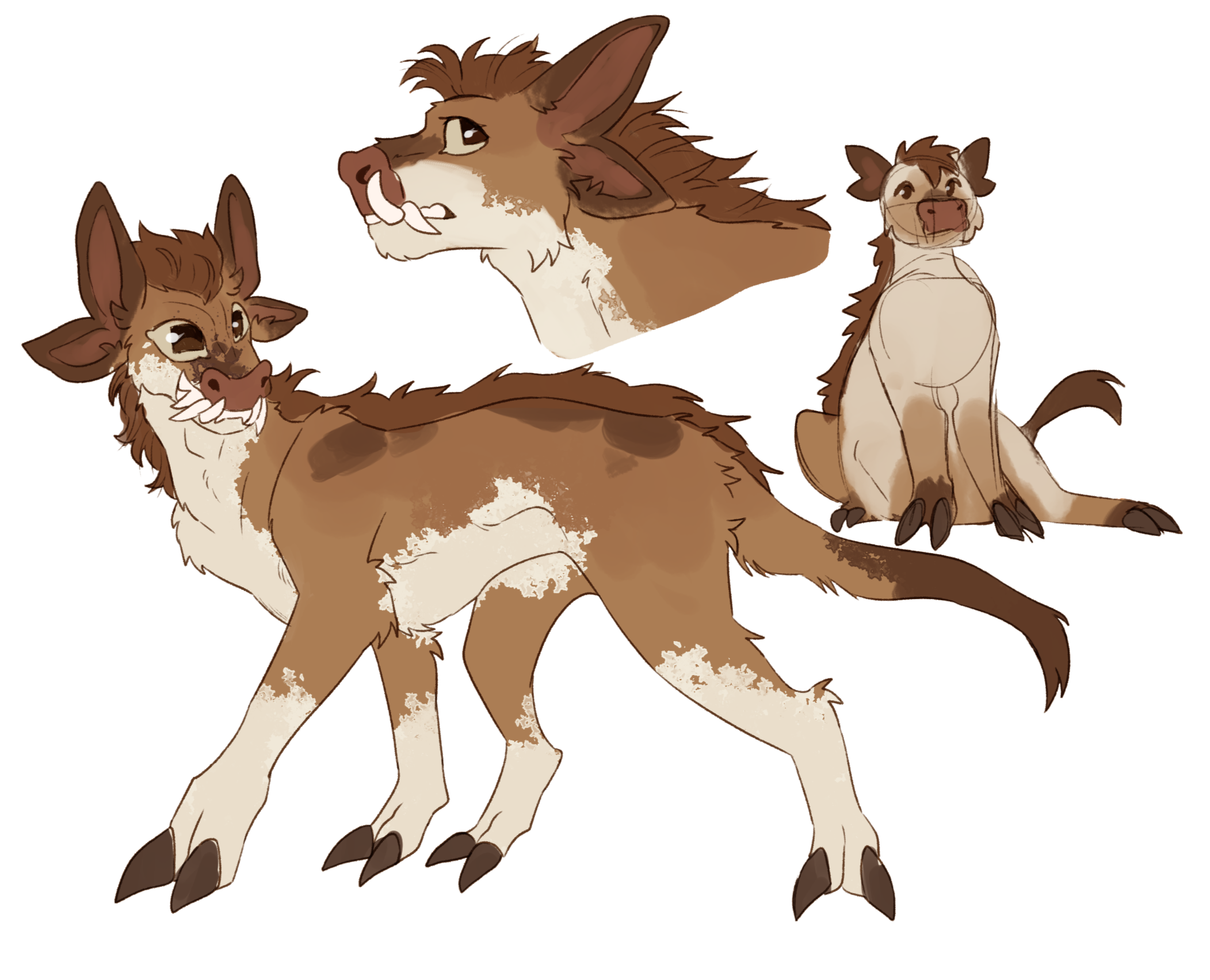
Plainwalkers
Plainwalkers have long, two-hooved legs and big ears. They're large, standing taller than a critter by a sizeable margin, but are generally of decent temperament. They are used for work on farms and for long-distance travel, being reliable mounts. They can be dangerous if provoked, however, on account of their size, strength, and sharp hooves and teeth. They are not afraid to fight back if they feel they are provoked. Though someone unsettling looking at times, Plainwalkers are very sweet and reliable animals used by many. They live for a long time and bond to their owner, recognizing faces.
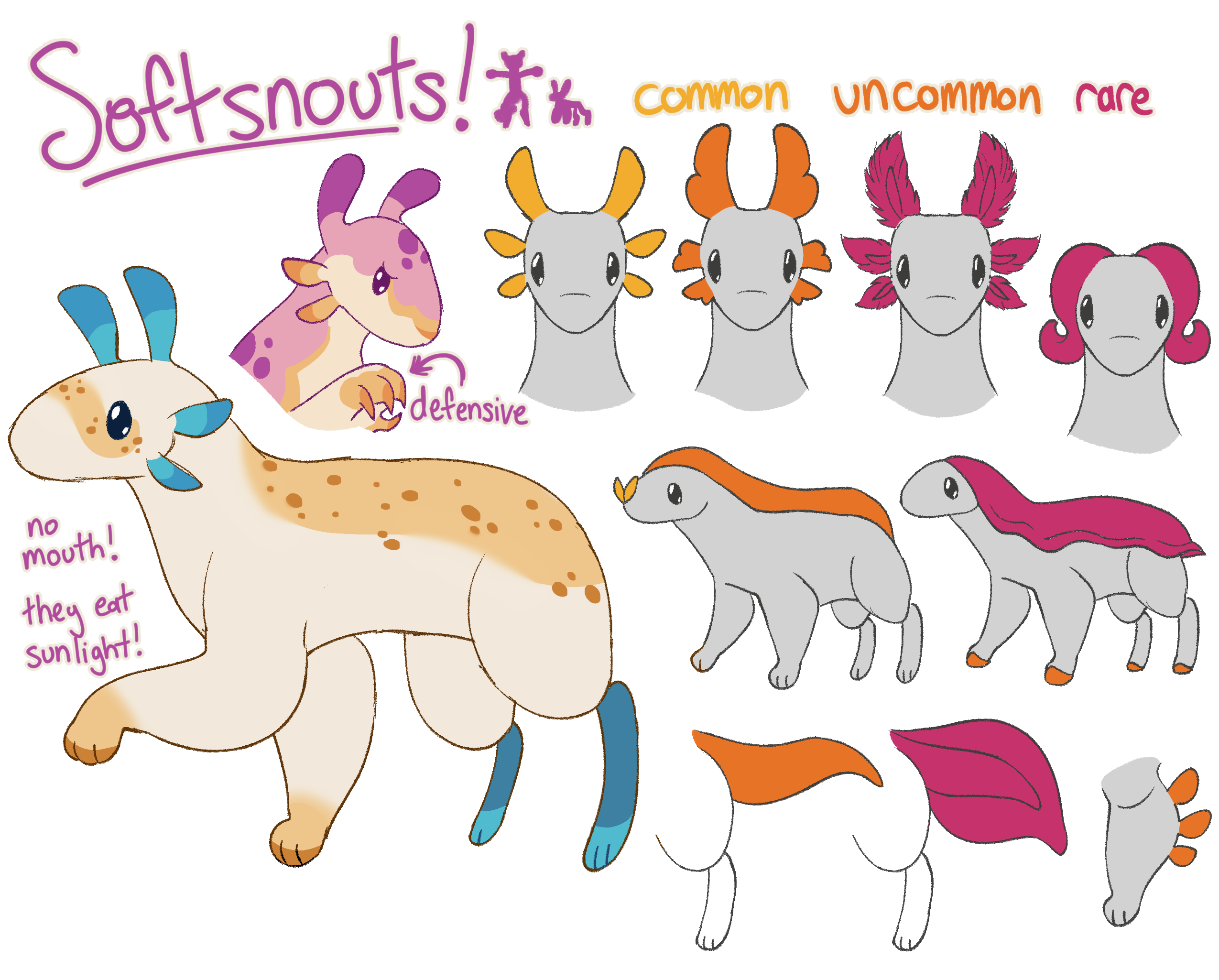
Softsnouts
Softsnouts are a medium-sized companion creature, and one of the more common pets in Rifthaven. They have smooth skin and distinct anatomy, as well as being intelligent enough to be trained for complex tasks. They're usually seen at around 3 feet at the shoulder, but can occaisonally be much bigger or smaller.
Softsnouts are usually trained as service animals or task animals for specific jobs, as they're not very well equipped for combat. They can defend themselves and their owner when they feel it's necessary, however, by forming sharp claws on the end of each forelimb.
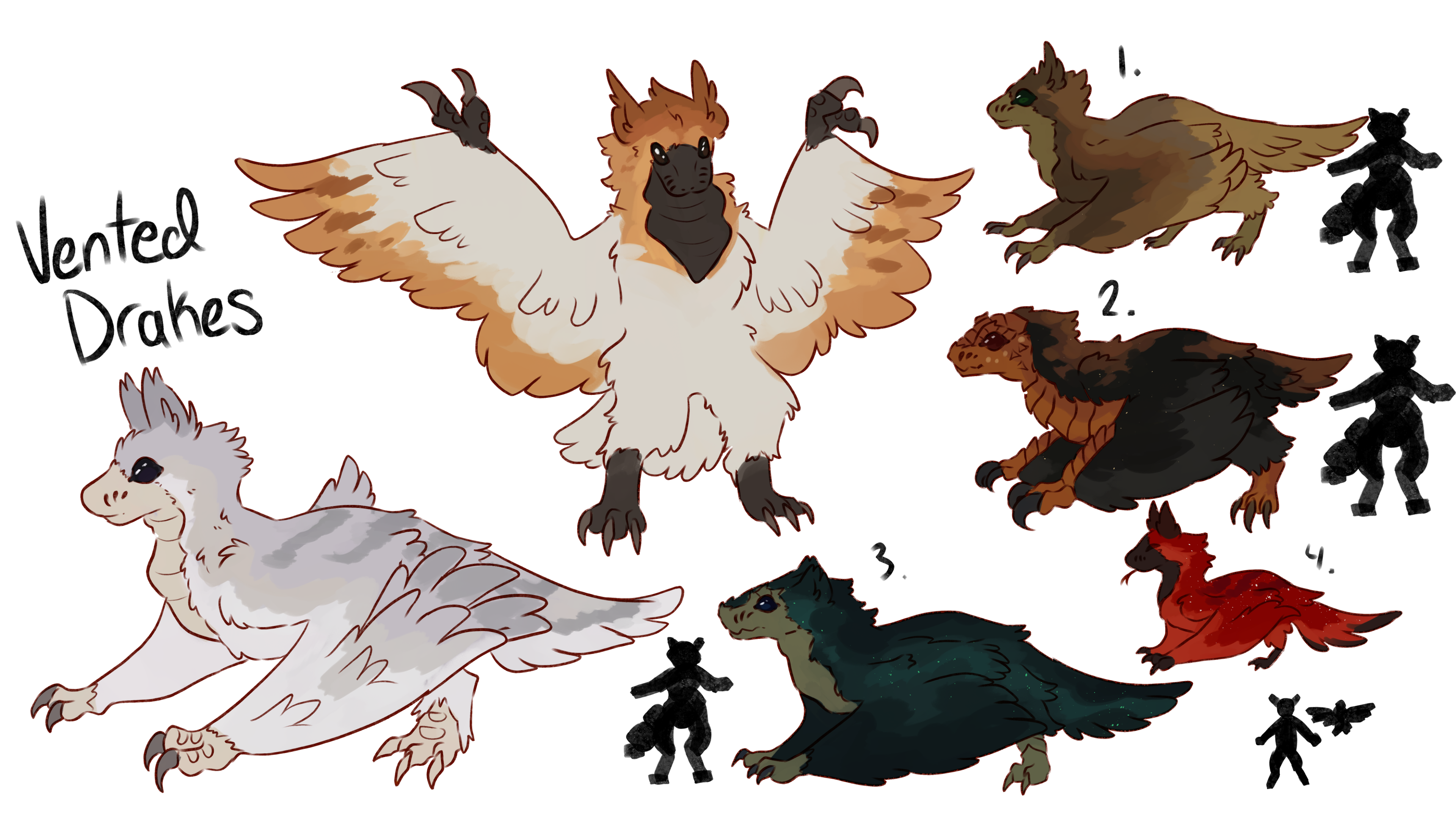
Vented Drakes
Vented Drakes, also known as Pitraptors, are large avian creatures that are highly intelligent. They serve many uses amongst critters, though their primary purpose is generally to be ridden. As obligate carnivores, vent drakes can be somewhat difficult to feed. Their size means their appetite is hard to sate and a failure to satisfy them may be detrimental to ranchers' livestock. The average vent drake has a scaled face and neck, birdlike talons on their wings and hind legs, and a thick feather cover over their body. These colors and scales can be any color, with prestige breeders searching for certain looks. These creatures come in 4 breeds:
1) Racers. Medium-sized and specializing in speed, this is the most common variant of Pitraptor. They have faux ears and long wings, generally built for tight turns and reliable travel, but only being able to carry one adult critter.
2) Armored. Relatively small, the armored vent drake is specialized in battle. It sports scaly protection all the way down its underbelly, a fully scaled face, and wicked claws. Slower and unwieldy, an armored vent drake can't fly with passenger for very long. They aren't very practical for exploration, as such, but are advantageous on patrols. Their smaller size also makes them good for journeys that involve mountains, as their compact nature and musculature is well suited for harsher terrain.
3) Passenger. The largest of the breeds, passenger vent drakes are suited for carrying multiple passengers and heavy cargo long distances. They're ill suited for fighting, however, and are a liability in battle if it comes to it. Passenger vent drakes also have short, stocky faux ears.
4) Miniature. The miniature vent drake is about the size of a cat and has a similar temperament. Used as messenger creatures, they're able to be trained for a variety of tasks and are generally seen as good companions.
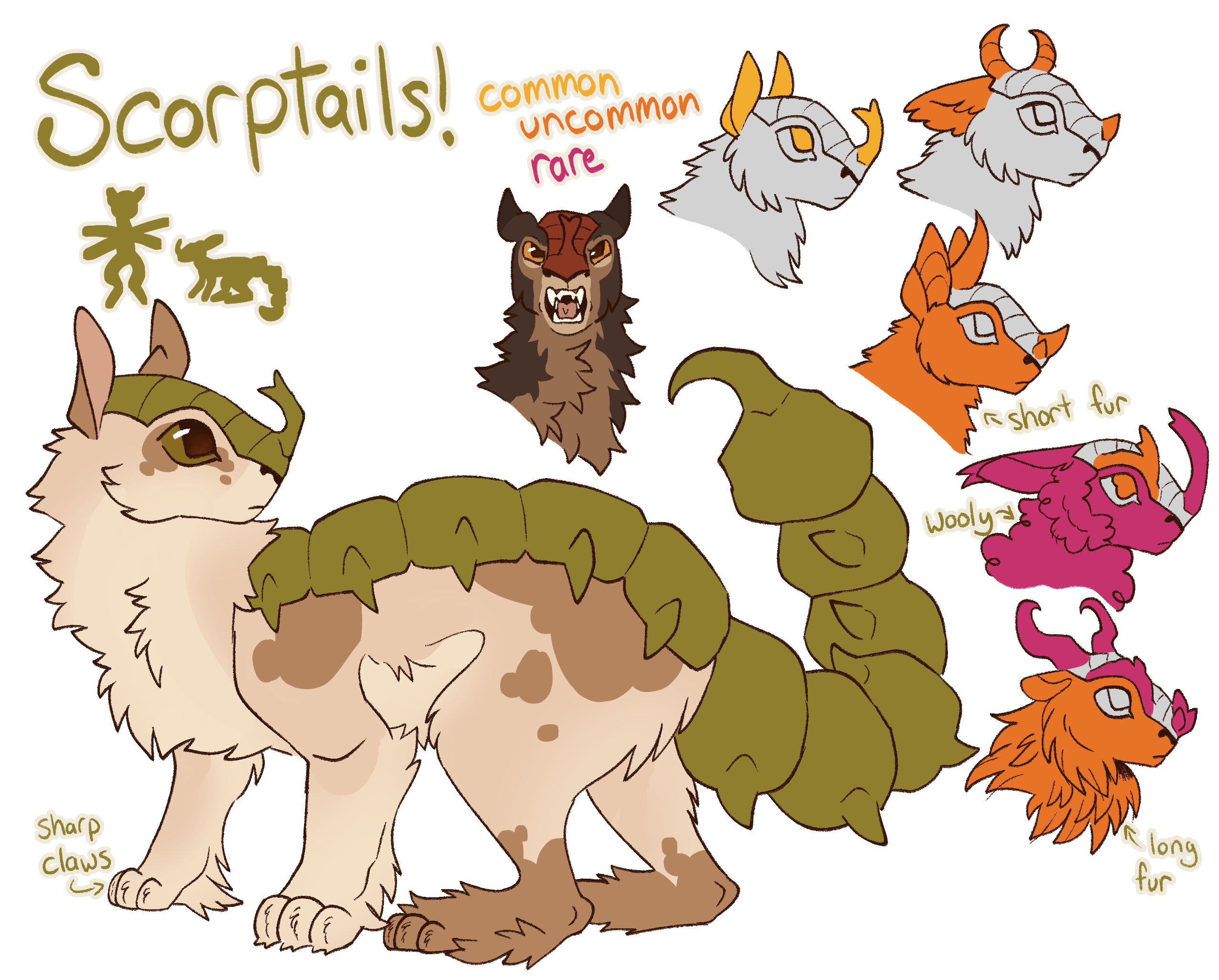
Scorptails
Large, houndlike mammals with thick chitin shells on their back. They can be almost any color or pattern, with two large horns on their nose and stingers at the tips of their tails. They're incredibly intelligent and the default choice when looking for a companion in any field of work or as a service animal (though they're not the only choice.) They can range in size from 3-4 feet at the shoulder. They live about 20 years on average and are omnivorous, eating both plants and small animals.
Domesticated Creatures
Livestock and such. Aren't mechanically tracked.
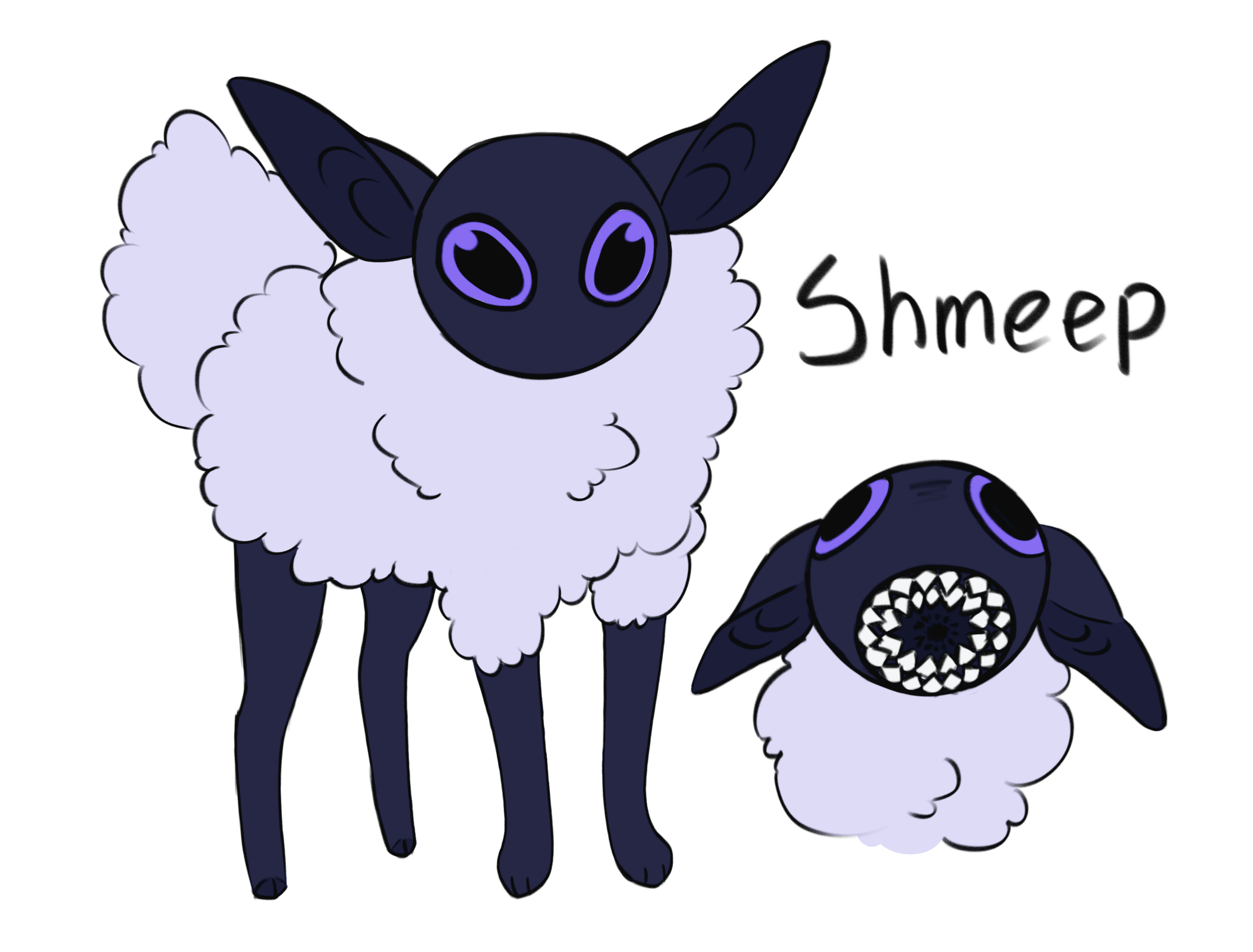
Shmeep
Shmeep are often used in agriculture, as their wool is very soft and good in textiles. They are also kept as house pets, as their neutral temperament and tendency to eat just about anything you put in their endless expanse of a maw makes them good for compost. They're well-liked and generally viewed fondly by most, even if their mouth can be off-putting. They are generally light-colored in their wooly areas, with dark, saturated colors on their limbs. Their eyes tend to be an uncanny bright color.
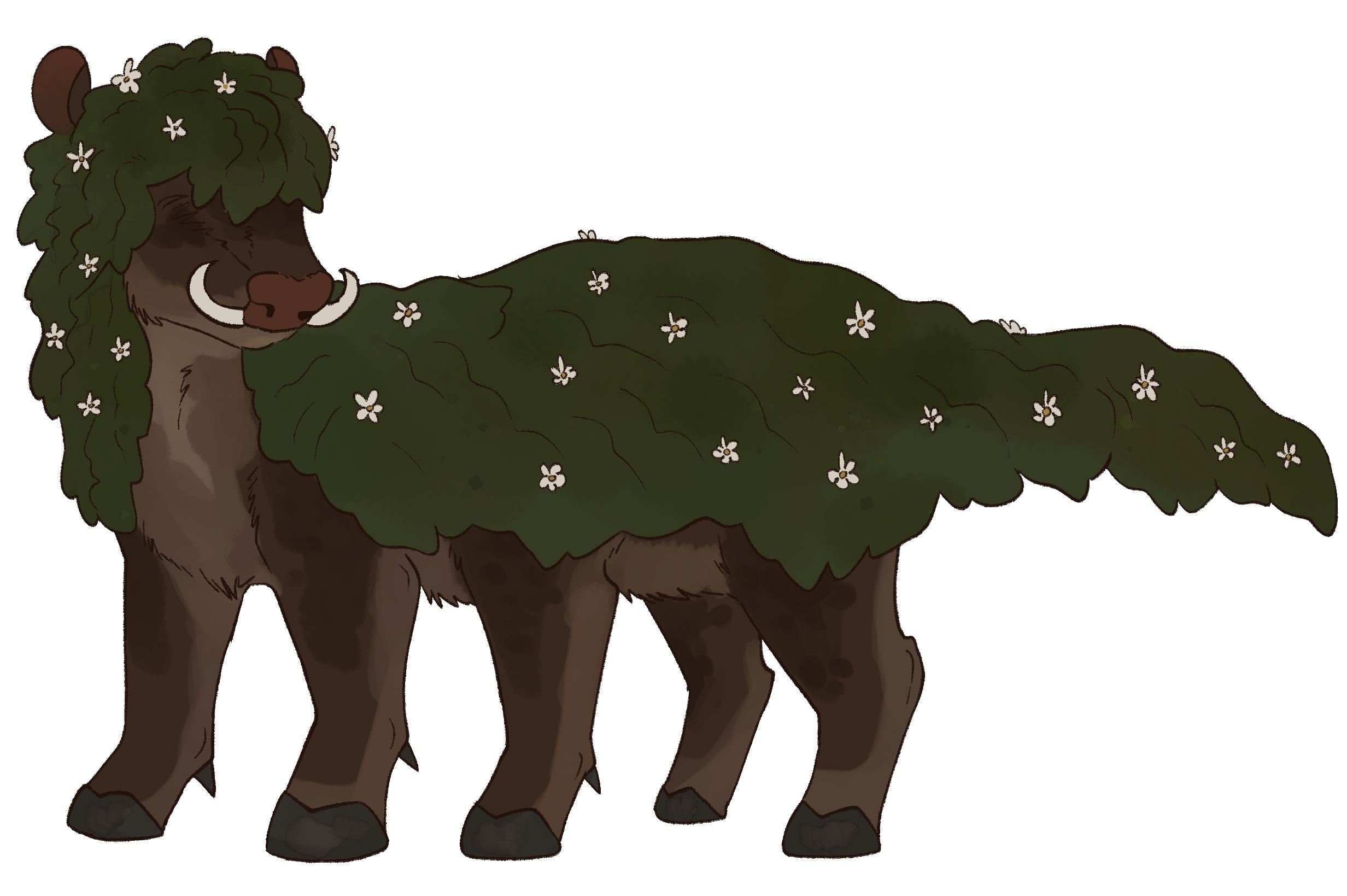
Mossles
Mossles are large, docile animals with an even temper. They stand slightly larger than a Calipede on four legs, and with shoulders roughly meeting the waist of the average bipedal Calipede. These creatures have a very relaxed disposition, adapting to their environment with little complaint. They're hardy animals that get half their nutritional needs through photosynthesis occurring in their moss.
Mossles' back moss can be harvested as a healthy sustainable resource. It constantly regrows and needs to be sheared for the sake of the animal. Its flowers brew into a tea known for its calming properties. Mossles also spend the majority of their days digging in the soil where they've been placed, searching for exotic mushrooms and long-buried seeds. These can be valuable if collected before the Mossle gets the chance to eat them.
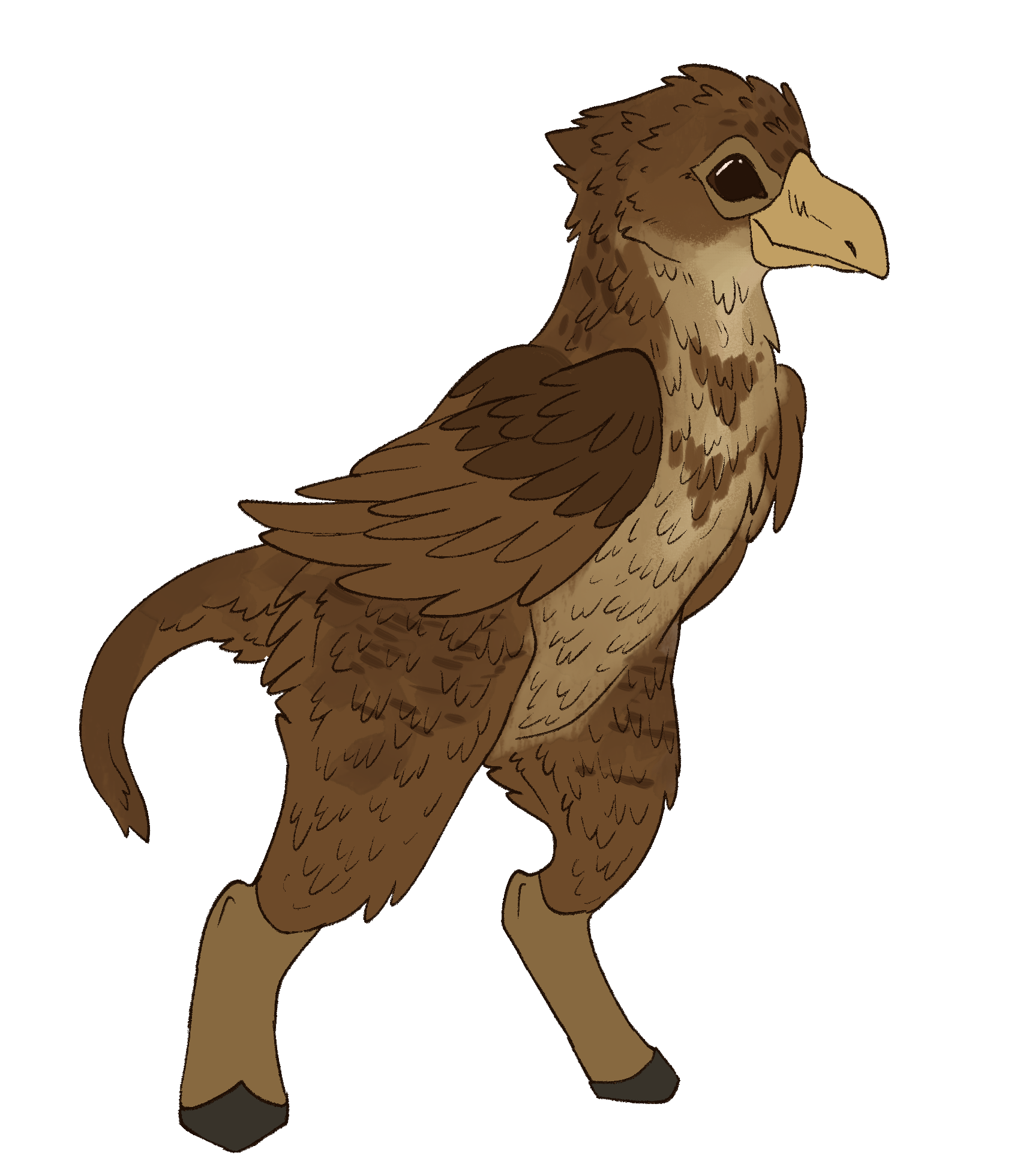
Birikens
Birikens are small roaming animals that walk on two hooved feet. Though they have wings, they're too dense to fly and can only flap them defensively. They come in shades of brown and tan, growing up to a foot at the head. They're primarily kept for meat, but their down is also collected for use.
Wild Creatures
Those that live beyond Rifthaven's walls.
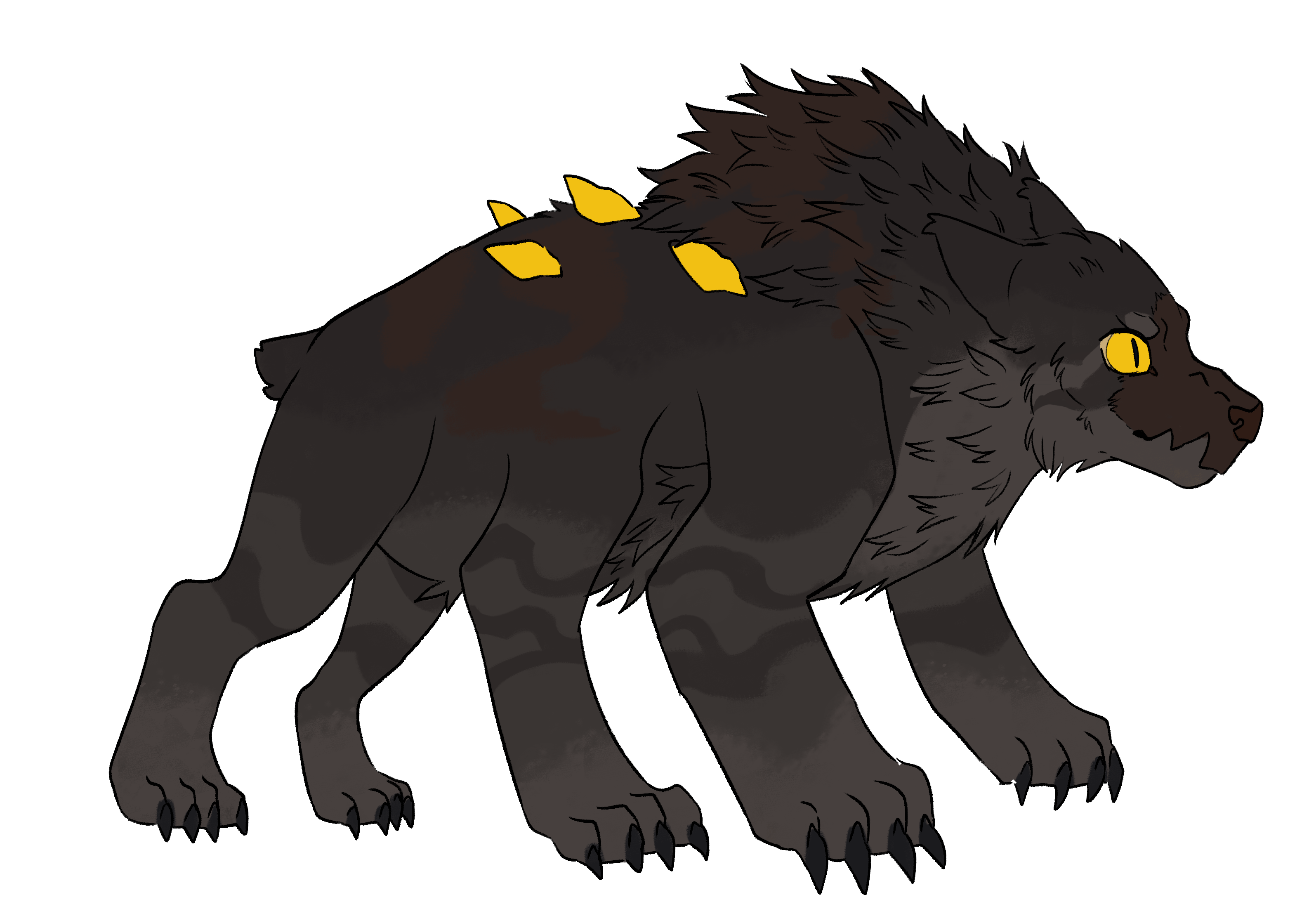
Name: Moonboar
Classification: Highly Agressive
Location: Any
Standing at around twice the height of a full-grown, anthro Calipede. Formerly a Calipede themselves, Moonboars bear conduits as spikes on their back. Targeting these is the only way to kill a Moonboar, though they can be temporarily incapacitated through means of severe injury. These are highly aggressive, tending to attack on sight with intent to kill. They have little discretion in target, going after anything that moves.
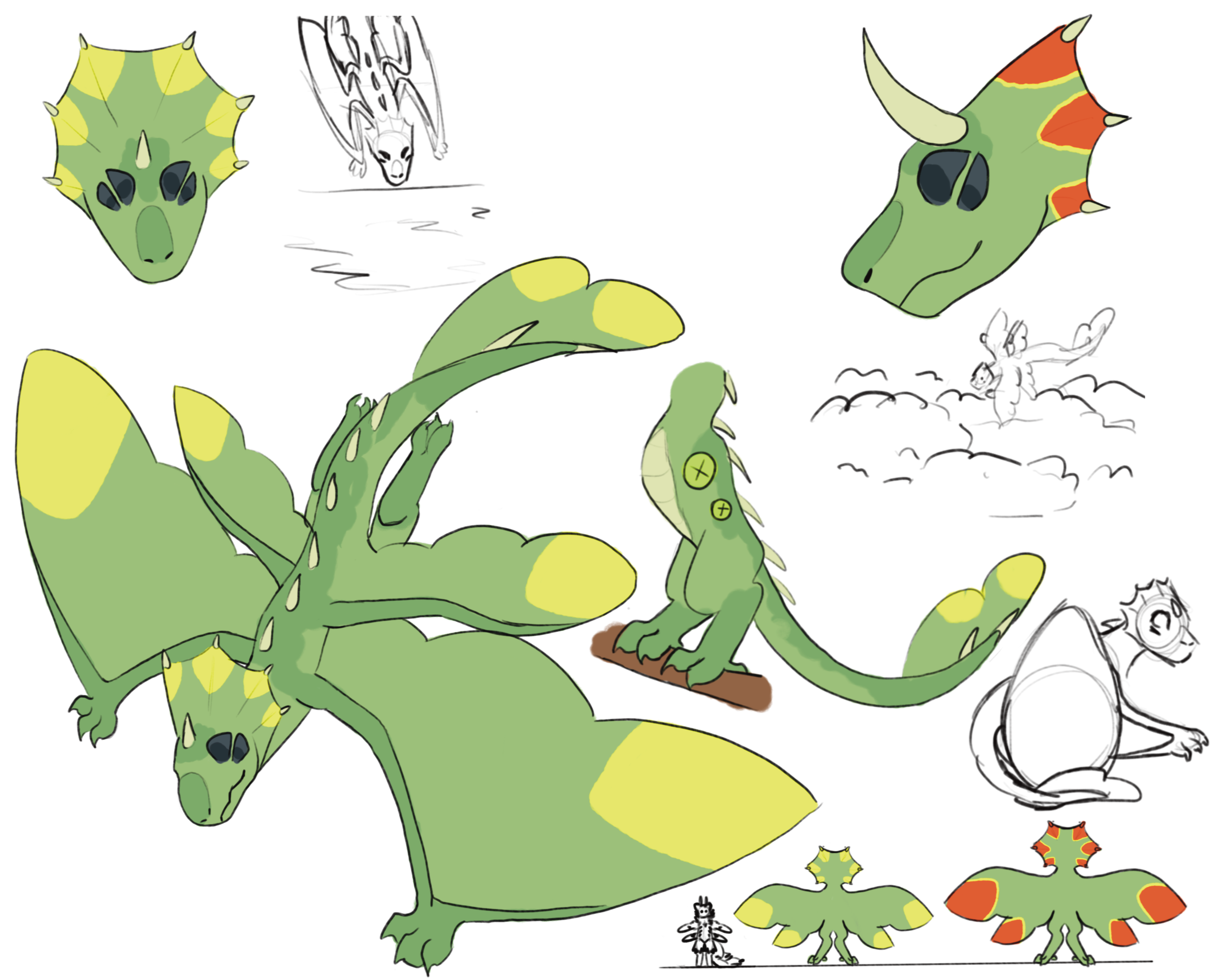
Name: Samara Gliders
Classification: Hostile Females, Docile Males
Location: The Darkwood
Samara Gliders have huge anatomical and physical differences between males and females. All gliders can perform photosynthesis using their massive wings to get energy and for males this process is their only food source. However, Females are much larger and need to eat meat to sustain themselves. Female gliders are ruthless apex predators that dive out of the sky onto unsuspecting prey, usually killing it on impact. Females will prey upon pretty much any living thing smaller than them aside from male gliders. On cloudy days males become largely inactive but females will become even more violent due to the deficit of calories usually harvested from the sun.
Male gliders are much friendlier and typically form colonies of up to 30 individuals. These colonies are incredibly important for reproduction. Females will asexually reproduce and leave their eggs on the treetops for males to find. Male colonies will take care of the young, ensuring it grows safely. Once a glider reaches adolescence, it will either join the colony if male or venture out on its own if female. While it is largely unadvised to interact with Samara Gliders, on rare occasions, a Calipede will manage to tame and ride a male glider.
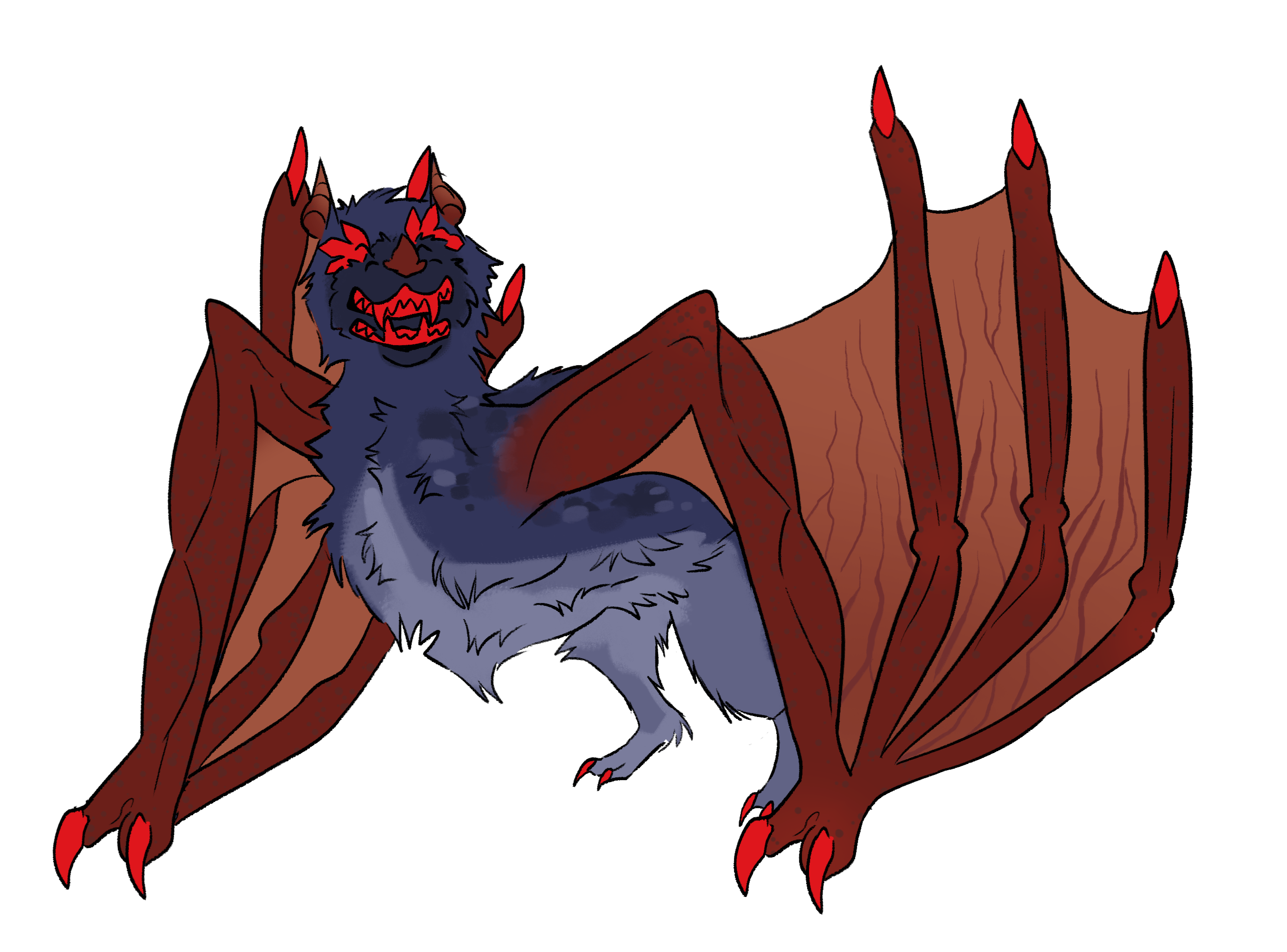
Name: Chirpers
Classification: Highly Aggressive
Location: Any
Chirpers are large, bat-like creatures that lack eyes. They use echolocation and smell to navigate their surroundings. Both intelligent and aggressive, Chirpers are stalking predators that pursue specific targets. They seem to understand the language spoken by Calipedes to some extent, but only use this to better formulate attacks. They are incredibly dangerous, and can only be killed by damaging or removing their conduits.
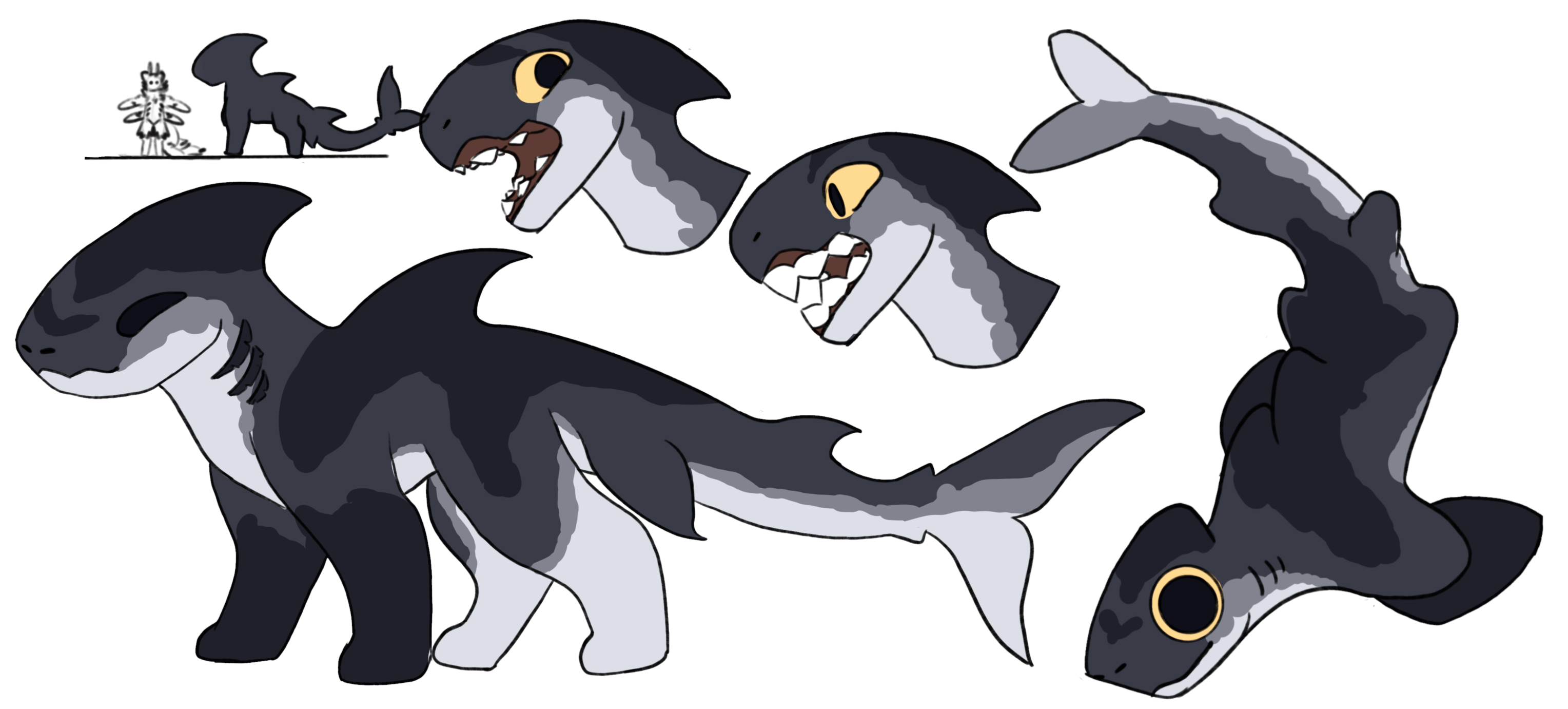
Name: Carchar Grazers
Classification: Territorially Aggressive
Location: Plains and Flatlands, Normally near water.
Carchar Grazers are vaguely omnivorous but they mostly eat plants despite their shark-heritage. They travel in large herds and although normally docile, pose quite the threat if startled. Each Carchar is not only incredibly large and strong, but also equipped with sharp, retractable teeth. Adult Carchars keep their eyes closed most of the time due to their bad eyesight out of water. Instead, Carchars rely on their powerful sense of smell and incredibly sensitive skin that they use to detect vibrations in the ground. Due to the extreme sensitivity of their skin, it is incredibly unwise to touch a Carchar as it is a great way to thoroughly overwhelm and aggravate them.
Carchars have a similar life cycle to frogs, giving birth to amphibious young that slowly develop into their adult form. Babies have no teeth and large unfocused eyes. Their only limbs are the appendages that they will eventually use as their front legs. Each nub is equipped with a fin to make underwater travel easier and more efficient. Waterborne Carchars tend to band together and lack parental figures for most of childhood. They sustain themselves by eating anything they can find and swallow whole until they mature enough to go on land. Once on land, an adolescent will join the nearest herd with which they roam for the rest of their adult lives. Carchars can have a wide variety of patterns resembling any shark species and typically tend to form herds with similar patterns for ease of camouflage.
Rift Beings
The natural occupants of the Rift.
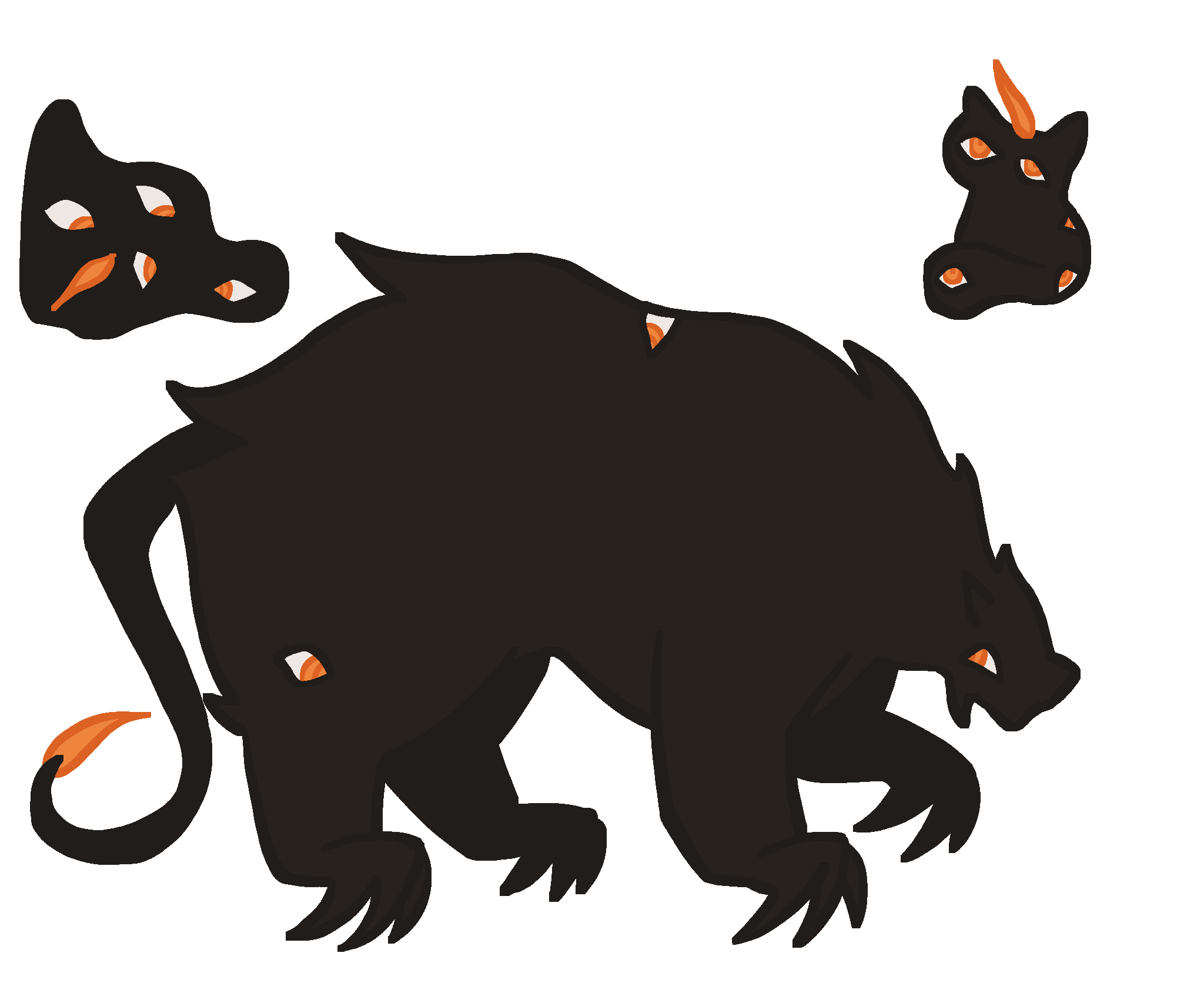
Name: Shadebeast
Classification: Aggression Varies
Location: The Rift, Occasionally The Darkwood
The Shadebeast is an incredibly understudied and difficult to understand being. Currently, we understand that they thrive most tangibly in shadow, meaning that they often live closer to the top of the rift, as well as originating from it. Interestingly, there seems to be a small colony of them in the Darkwood as well. The Shadebeast is known to change shape consistently, depending on their goals. When hunting, they are often seen as small, indiscriminate blobs moving through dark shadows. However, they have also been seen trying to lure or befriend calipedes by taking on soft forms similar to that of a young animal. They have also been known to show open aggression in several varying situations. The most common being when provoked or if their dens are approached, but in many cases they are seen to attack without reason. In these cases it is best to aim when possible for the eyes and barb that each Shadebeast has. Their eyes do not focus independently, and it seems they can only have 3-5 of them at once. The barbs can be highly dangerous to touch, and are known to be incredibly sharp. Due to this, it is recommended that unless you have a weapon, you use strong light to deter Shade beasts and make an effort to move away from them.
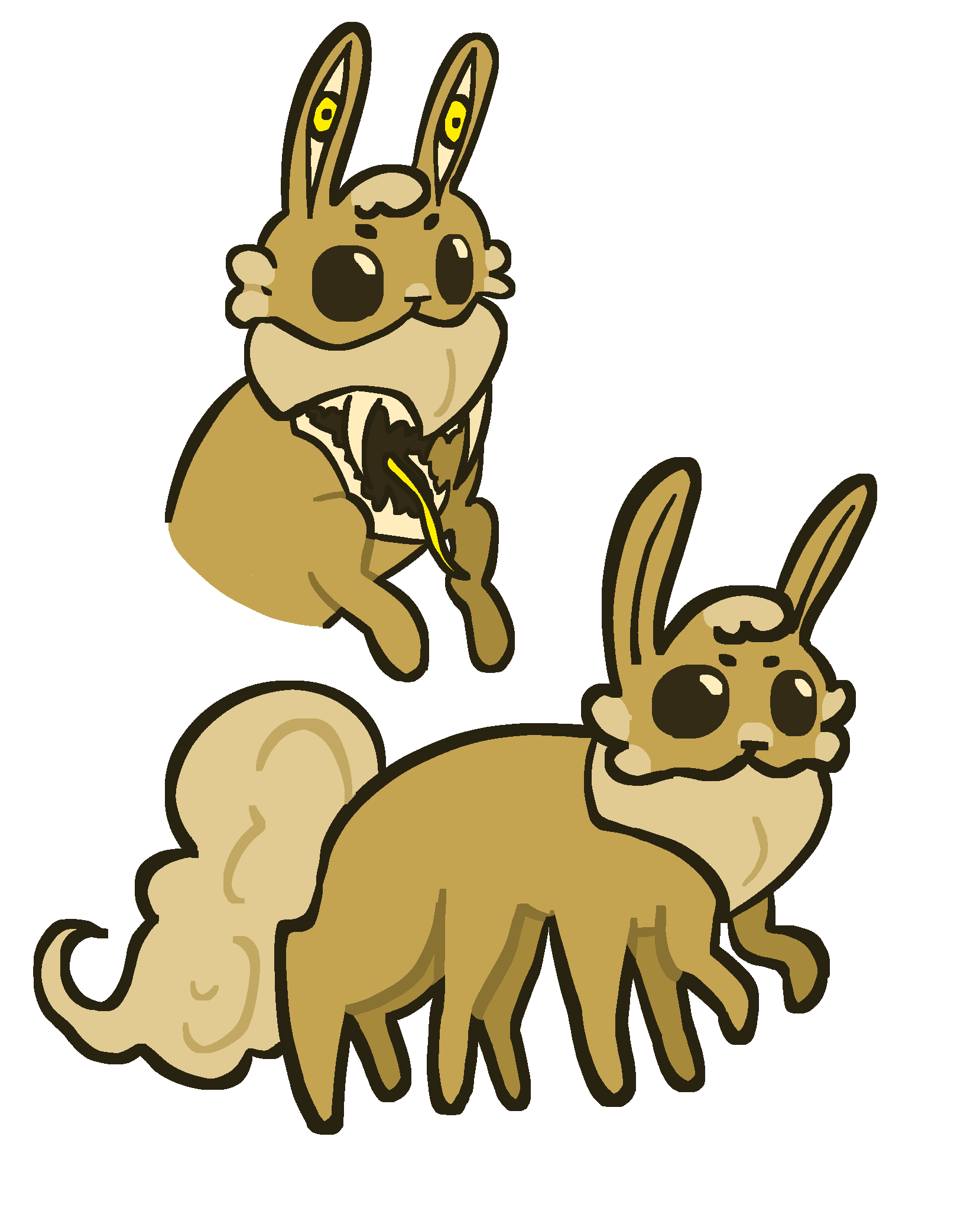
Name: False Cottonbugs
Classification: Highly Aggressive
Location: The Rift
False Cottonbugs are small, carnivorous creatures. While they look mammalian in nature, they are actually insectoids. Their dewlap functions as a beak-like mouth, and they are known to stalk and trick their prey before consuming. Move with caution, as these creatures have notorious appetites and will hunt indiscriminately. They rise to be as tall as an Anthro Calipede's hip, and swallow their prey whole for digestion. Ahead are a few key ways to distinct a False Cottonbug from a True Cottonbug.
are in their eyes, ears, paws, and tails.
1. False Cottonbugs have nondescript stubs instead of paws, and keep six legs down instead of four.
2. False Cottonbugs have exoskeleton patterned to look like eyes. if you've encountered a Cottonbug and it's eyes look flat, or they have a perpetual shine that does not move, it is false.
3. The ears of a False Cottonbug are actually it's eyes. Their "ears" are perpetually positioned forward, have no fluff on them, and shudder at visible movement.
4. True Cottonbugs have incredibly robust and fluffy tails. If the tail looks to be more firm then fiberous, or if it seems to move and change consistently, it is most likely false. If the tail curls to an extreme point at the end, move carefully. A female False Cottonbug has a barbed irritant in it's tail, designed to protect it's nest.
While the odds of seeing one of these outside of the rift is slim, remember PEET (Paws, Eyes, Ears, Tail) to identify which species of Cottonbug you've encountered.
Guilds and Organizations
Guilds describe a network of Calipedes that serve a variety of purposes around Rifthaven. There are often many critters in each as a sort of alternative to the standard job options.
While the first guild is open to all critters, we will have some later that require special invitation...More will open after Adventurer's Guild has test run some features for a bit!
Guild Mechanics
Each month, the Job Board will post 1 Quest for each guild. These will be higher effort, higher reward quests. Each critter can only be registered to 1 Guild. A given critter must be an adult in order to qualify for a guild membership.
Despite having a "bounty", each quest can be completed by any amount of guild members (and by the same user, granted they have multiple critters in the guild). It is not first-come-first-serve.For a given quest, you will complete the assigned work (2 characters on a complex background, 1k words, etc) and submit it to the quest thread. Regardless of how you roll following this, you will receive the bounty for the prompt.
Then, we will roll a d100. The higher you roll, the better rewards you get. Your rolls can be boosted by:
The presence of a pet adds 5 per pet to your roll. These must be registered (created via MYO or as an adopt) pets.
Arcanic magic being used (and depicted) adds damage depending on the Critter's skill level, not the spell used at present. A Novice Arcanist will have 1d6 added to their total, an Expert will have 1d8, and a Master will have 1d10.All rolls will be done using a dice bot in-server.
Guilds
All information regarding party size and guild culture is for gauging which guild suits a character best, given their personality and skills! The flavor text has no mechanical bearing, however.
The Adventurer's Guild [OPEN]
The "Odds-n-ends" guild of Rifthaven, the Adventurer's guild works equally on private and public contract. Sometimes they fulfill jobs for the people of Rifthaven, sometimes they're on orders from the City. Regardless, they're pretty much always jobs that require critters to leave the bounds of the city and its safe zone, exploring the ruins beyond. This guild is good for those with a deep sense of wanderlust, those who need to explore and find new things, and those with a nonexistent sense of self-preservation. The Adventurer's guild members tend to see themselves as some sort of big family, and it's very rare for a critter to be sent alone; most job fulfillments see parties of 4-8 being sent out.To join, users are prompted to draw their critter in attire appropriate for an adventure! This is a pretty loose prompt and can consist of just about anything, depending on what "preparedness" means to your critter! The guild isn't very strict, and certainly isn't one to turn away eager help...
The Riftjumper's Guild [Closed]
Dedicated to gaining knowledge and understanding of the Rift, this guild specializes in sending teams into the horrifying pit that quarters the city. The job is dangerous but always exciting. It's similarly enticing to those with little sense of self-preservation and less waiting for them at home. It's also a great option for the scientifically minded, as research and notable findings within the rift serve as a great entry point to deeper scientific discovery... and the attention of those in power. The Riftjumper's Guild tends to be more friendly to those who prefer their own solitude, as explorations and jobs are usually only attended by groups of 1-3 Critters.
The Restoration Project [Closed]
The Restoration Project critters have dedicated their work to making discoveries about the civilization before them, learning about the history of the natural world and beginning to attempt its recovery. These are historians whose life goal is the acquisition of understanding who lived before them and what happened to their world. Their missions are a bit on the tamer side, involving parties being sent to the cities and towns in search of new information, but encouraging researchers to shy away from fights and danger. Exploration parties are usually well-funded by the city itself and often include upwards of 10 critters.
Rifthaven
City Overview
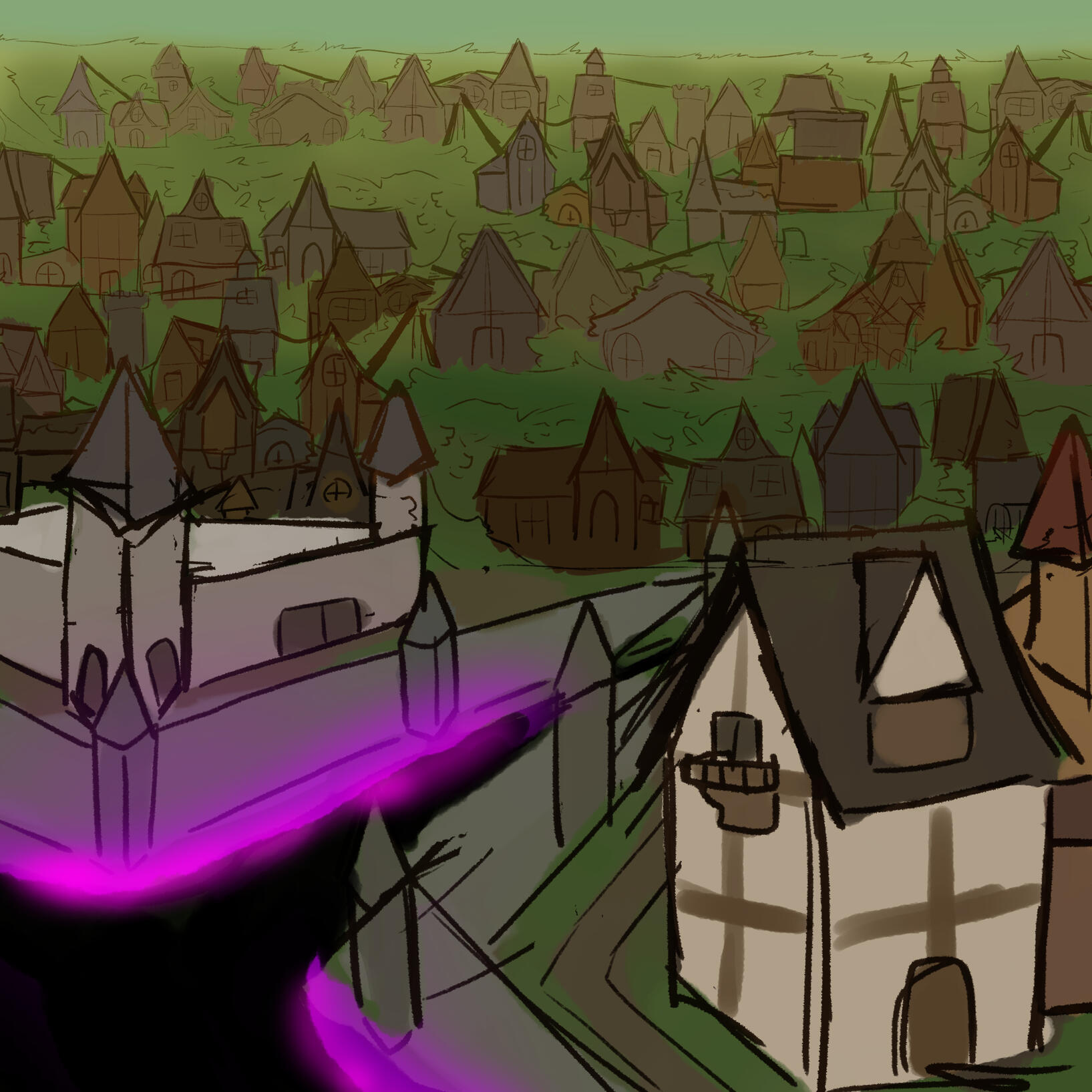
The name Rifthaven refers to the entire Calipede state: city and outskirts. Rifthaven is protected by a magical forcefield called Atheri's Wall, a massive magic border that repels living things from passing through. It stands at an impressive 200 ft tall, making it impossible to pass through for most creatures that might seek out Calipedes as prey. Any flying hostiles are handled by various guilds, who either guard the wall itself or seek out predatory creatures who've made their home too close to Rifthaven for comfort. Checkpoints (places of passage through the wall) exist at the furthest ordinal points of the border. Critters may move freely in and out of the wall through these. From one end to the other, the perfectly circular border has a diameter of roughly 26 miles.The outskirts of Rifthaven are known as the Farmflats, and their use is somewhat implied by that. The production districts lay here, with most of the land being dedicated to farms and ranches responsible for much of the food and textiles material within Rifthaven. Some small suburbs exist out here, too, with small neighborhoods being built around 1-2 larger farms. Folks from the Farmflats respect the value of loyalty, hard work, and community.The Capital of Rifthaven sits within a deepset crater about 200 feet deep and 8 miles wide. The walls, which aren't terribly steep, are home to most of the inner city housing. Residences are stacked high and close together, with informal pathways born from frequent use instead of proper city planning. Houses are added where they can as new Calipedes show up to occupy them, and many travel via ramshackle paths between roofs instead of the ground.The inner capital is home to the industrial district and shops closer to the housing area, with the Rift itself being surrounded by government buildings such as the Sanctuary and the labs. The Rift stretches through most of this lower area, with short (non-magical) walls preventing Critters from slipping into the deep wound in the earth. Stretching a few miles in length and some hundreds of feet in width at its widest, occasional bridges pass over the Rift. Given the brick wall that protects the inhabitants of Rifthaven from its namesake, passage over one of these such bridges is one of the only ways Critters generally manage a good look at the Rift.The population of Rifthaven is estimated at roughly 120,000 Critters, including those under the care of the Sanctuary.
Political Structure
Rifthaven's political structure is democratic! Every year they vote for a new leader, the Keeper of Rifthaven. These votes are held depending on a set of physical and mental trials, as not only is the Keeper expected to make the political decisions, but also to be the front of any military assembly. They make all executive decisions for the city and oversee operations within Rifthaven's borders.Second in influence to the Keeper are the head scientist, healer, arcanist, society leads, and producer's union. These critters influence decisions made in the city by speaking to their specialty and insights. As well, any critter can attend a meeting of the council and speak their voice (during given speaking times) to get involved!
Political Structure
Rifthaven as a city is incredibly ramshackle. Its buildings take inspiration from tudor designs, but the buildings are closely assembled and there's no true planning behind the city's assembly. Homes are build awkwardly with bricks and whatever materials are available. The city is densely packed and only easily traversed by someone who has lived there a long time; often the easiest route through the city is by shortcuts over rooftops and through alleyways. The city is overrun with plant life, as well. Utterly verdant, all matter of plants thrive on the roofs, in the patios, and growing on the walls of Rifthaven's buildings.
Jobs and Roles
Rifthaven operates under a vaguely communistic structure; everyone has to pull their weight to the best of their ability, but everyone is cared for, too. Anyone without somewhere to go (especially abandoned or orphaned nymphs) has a home in the Sanctuary, a massive compound formed out of an abandoned bunker (since expanded into a complex tunnel system). The Sanctuary has caregivers responsible for all sorts of maintenance within the Sanctuary; production of food, distribution of goods, child-rearing, etc. These critters are highly trusted because resources within Rifthaven - especially old-world materials they can't recreate yet - are very limited.Farmers and ranchers are very highly valued within Rifthaven. Other jobs include arcanists (those who focus on the development of magic), scientists, scavengers, and riftrunners. You also see a wide variety of standard jobs such as welders, carpenters, etc.Scavengers specialize in leaving the city's boundary and exploring outside, usually in search of resources. They deal with dangerous creatures the whole way through, as well as crumbling architecture and the dangers of the wasteland. This is the only way that Calipedes have access to many resources, however, so it's a very necessary job.Riftrunners do very much the same job as Scavengers, but instead they're entrusted with keeping those inside the rift inside, occasionally venturing into the rift themselves.
Holidays and Tradition
Harvest Fest & Hallow's Eve
October is the season of the harvest! It's a very busy time as everyone helps the farmers to prepare their crops for a big feast on Hallow's Eve! The Harvest fest involves music, dances, family activities, and all manners of getting the community involved. It's a warm time of year where the community comes together to celebrate the changing seasons and prepare for winter. On Hallow's Eve itself, all critters (especially nymphs!) are encouraged to dress up in silly costumes. It's only a fun tradition, there's no real reason for it, surely...
Hearthmoon
Hearthmoon happens in late December - early January, celebrating the community of Rifthaven through the hardest seasons of the year, and the struggles that come with that. Hearthmoon is two weeks of festivities that focus on spending time with loved ones, giving back to the community, and helping each other. It also is a time of displaying bravery; as resources run thin, brave volunteers must venture into the wastelands - ever more dangerous in the cold - and bring resources back for the city.Hearthmoon is also a time for celebrating the dead, as the death of the plants and silence of life that accompanies a harsh winter seems to bring spirits closer to home. Necromancer Arcanists often perform large displays where ghosts are made visible as apparitions to speak with their loved ones. During this time, sensitive critters may even look for unaccompanied souls - those who died so long ago they have no remaining connections, orphans, and those who were alone in life - and seek to help put them to rest. Whilst seeing the ghost of a loved one is a cherished moment, it's equally as celebrated when a ghost no longer appears, signaling that the dead one has moved on into whatever speculative afterlife awaits.
The Wild Hunt
Though spring brings new births and a time of flourishing for those within Rifthaven, the same is true for its enemies... a militia is formed of willing critters to go outside of Rifthaven's borders and systematically thin the populations of predators that might otherwise threaten to overwhelm the energy barrier around Rifthaven. The Wild Hunt is a long journey around the outskirts of the barrier, killing any potential threats whilst also searching for any potential resources unearthed by the winter.Within the bounds of Rifthaven, those waiting for the Hunt to return prepare a feast and gifts for the hunters, as well as helping healers to prepare for any injuries. There is a big celebration when the Hunt returns, signaling the beginning of a new year.
Summer Solstice
The Summer Solstice is a night of festivities! The Carnival comes to town and the longest day of summer is spent playing games, having fun, and enjoying the warmth. Many critters try to stay up the whole night long celebrating, carrying their festivities to dawn. Akin to the old-world tradition of fairs, the carnival sports performers, entertainment, and ill-conceived food!Summer also brings a celebration of the differences between critters. A brief festival is held in the center of the city, showcasing the diversity Rifthaven holds so dear to its heart. This usually occurs a little earlier in the summer than Solstice.
Curses
Curses are medical afflictions gained through contact with a cursed individual. They’re like an arcanic disease, affecting the body’s connection to the arcane and changing their body involuntarily. Each Curse has 3 “Safe” stages, with each progression of the curse’s effect chipping away further and further at a critter’s mind and sense of self.At stage one of a curse, a Calipede experiences unusual urges and mild symptoms. They usually aren’t in severe pain or unduly agitated and are fully of their own mind, though an affected critter may behave oddly, experiencing harmless but strange new behaviors.At stage two, the progression of the curse leads to more discomfort in one’s own body and the urges get harder to resist. These are not yet compulsions, but take mental effort to work against. The symptoms may be causing erratic behavior and levels of pain.At stage three, a Calipede becomes increasingly agitated, likely to lash out. Strong force of will dictates whether or not they become violent, giving in to the intense urges. Curses at this stage can be nearly unbearable, with significant pain and bodily discomfort. They also experience brain fog, leading to bouts of amnesia and confusion.After stage three, a Calipede’s curse cannot be returned from. The mind gives in and the body follows shortly, with the calipede transforming into something completely alien. They become almost completely unrecognizable. They attack with little discretion.Mechanically, curses change the Arcanic color temporarily, with it reverting back to its original color when cured. The Arcanic color change affects all conduits (tail, sides, antennae) and scars, which should become a lighter or darker shade of the new color. While cursed, each stage progresses on a bi-monthly basis; you optionally move from stage 1 to stage 2, two months after you got stage 1. The progression of curses moves through art and writing prompts. How far you take the lore implications is up to you, but note that for the time being, Grimoire has yet to discover how to cure these afflictions.
Current Known Curses
Moonbound Curse
Magic spreads artificial adrenaline through the critter’s endocrine system and makes the body consume more energy than usual, often requiring a high protein diet to keep up with increased caloric demand. Cursed calipedes often experience intense craving that can result in violent urges. Extended periods of fasting like sleep drastically increase violent impulses and behavior.
Arcanic Anemia
Increased blood loss results in a type of anemia. Cursed critters struggle to stay warm and often feel faint. Victims also experience extreme hunger and desire for the blood of others in response to their own deficit.
Locations
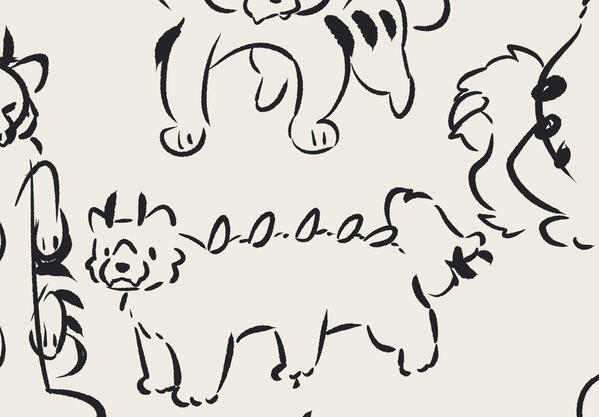
Beyond the wall...
Sporeglow Valley
Bordering the outskirts of Rifthaven, Sporeglow Valley is home to huge, oversized mushrooms and various forms of mega- flora and fauna. It's relatively safe, as the small size of Calipedes compared to everything else makes them infrequent targets of predation. Several medicinal herbs are gathered here, and cultivation efforts have been made to move some of the mushrooms into Rifthaven as safe and ethical food sources.Dryrot Plains
The Dryrot Plains is a war-ravaged plain. The sun beats down on travelers and little defense is offered from flying predators or unpleasant weather. A massive river runs through the plain, etching the path most travelers follow. Some quintessential herbs can be found here, as well as several species of grazing animal. Though it's not a pleasant biome, it's home to the most intact Human cities and relics, and is often the only option when seeking Human items Calipedes are unable to produce.Darkwood
The Darkwood is a thick forest with a nearly impenetrable canopy. Its inhabitants are largely light sensitive, so travelers making their way through the wood need to do so by darkness; else they risk unwanted attention.The Marsh
The Marsh is what it sounds like; a big, wet plain that's rather inconvenient to traverse by foot. Within it lurks many ocean-dwellers, alongside dangerous plants. It's an inhospitable place that travelers loathe being assigned to attend.Silverblood Lake
Silverblood Lake was named such for the fact that it's made up of an iron-rich substance not unlike blood. Traveling to Silverblood Lake, though unpleasant, is necessary when dealing with Curses, as the blood-like substance is essential to several tested treatments.Leviathan Range
The Leviathan Range is a towering mountain range that sections off Calipedes from whatever lay to the West. They're inhospitable and dangerous to travel; very few exploration parties have made it through unharmed. Whatever's past them, they're currently deemed unworthy of the risk it poses to attempt crossing.Desert
The land here is arid and devoid of water, consisting at first of dry, arid desert land to sandy hills. What lives there is fierce and hostile towards intruders.
The Rift...
The Rift is a dark wound in the ground that emits a purple glowing haze. It is the birthplace of the Arcane and the source of all Calipedes' powers.Entering The Rift transports you into a new world. Each is its own liminal space, a half-baked dimension that lacks the solid quality of home. Riftjumpers are skilled professionals who've become accustomed to entering The Rift.Each world of the Rift is relatively small, no larger than Rifthaven itself and usually very much smaller than that. These dimensions are small, limited, and hold access to several materials that Calipedes themselves cannot yet produce, especially technologically speaking. The worlds are not spacially similar or close, and though there is a growing collection of documented worlds they do not appear in any set order. To leave a world, one must pass through some sort of threshold; whether it be a trapdoor, a full door, or a window; it must be an understood method of entering one space and leaving another. Not every door or similar instance will be the exit, however. These exits are called "Effective Portals" and are 2-way; returning through a previously entered portal will take you back to its source World. In the common Worlds, explorers have left instructions and pathways. To exit the Rift altogether, one must find "Rift Rips"; fissures in the World with similar properties to the Calipedes' Rift. These return the Calipede back to their own world.Not everyone is so lucky as to be thrown into their own world, however. Riftborn Critters are those who appear to have spawned within the Rift, or entered it by mistake. They may remember having lived a life before the Rift, but they've exited into the Calipede world, one not their own.